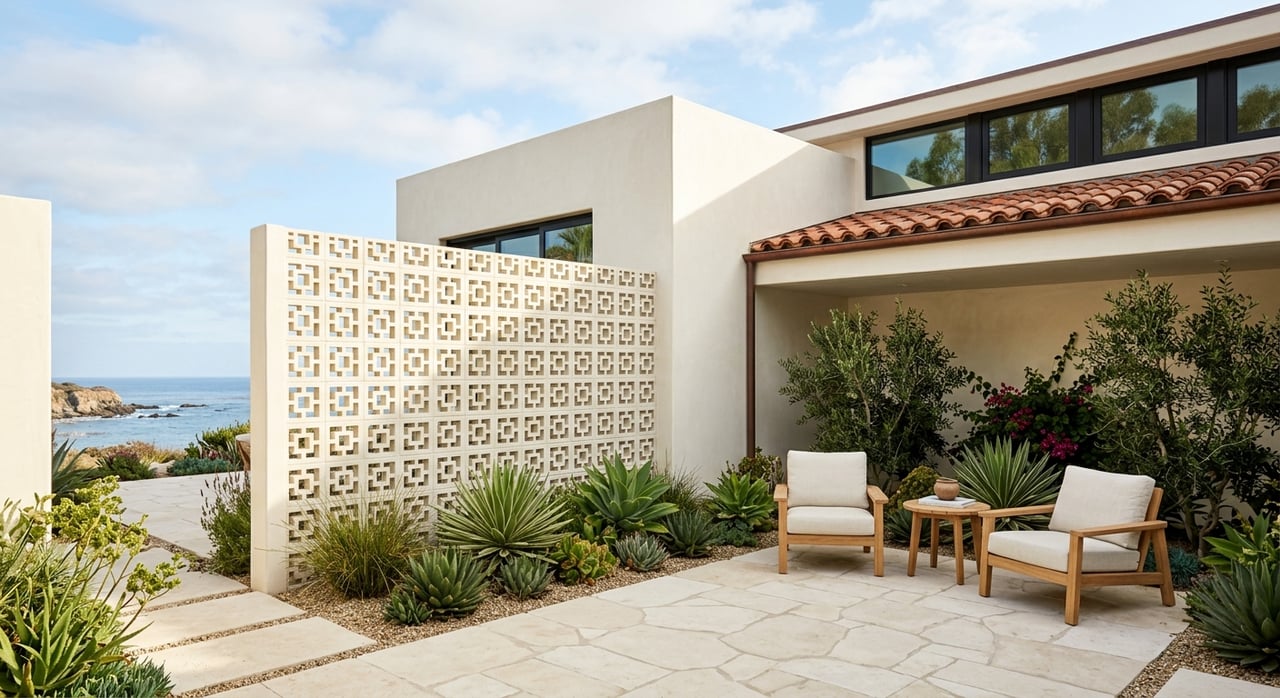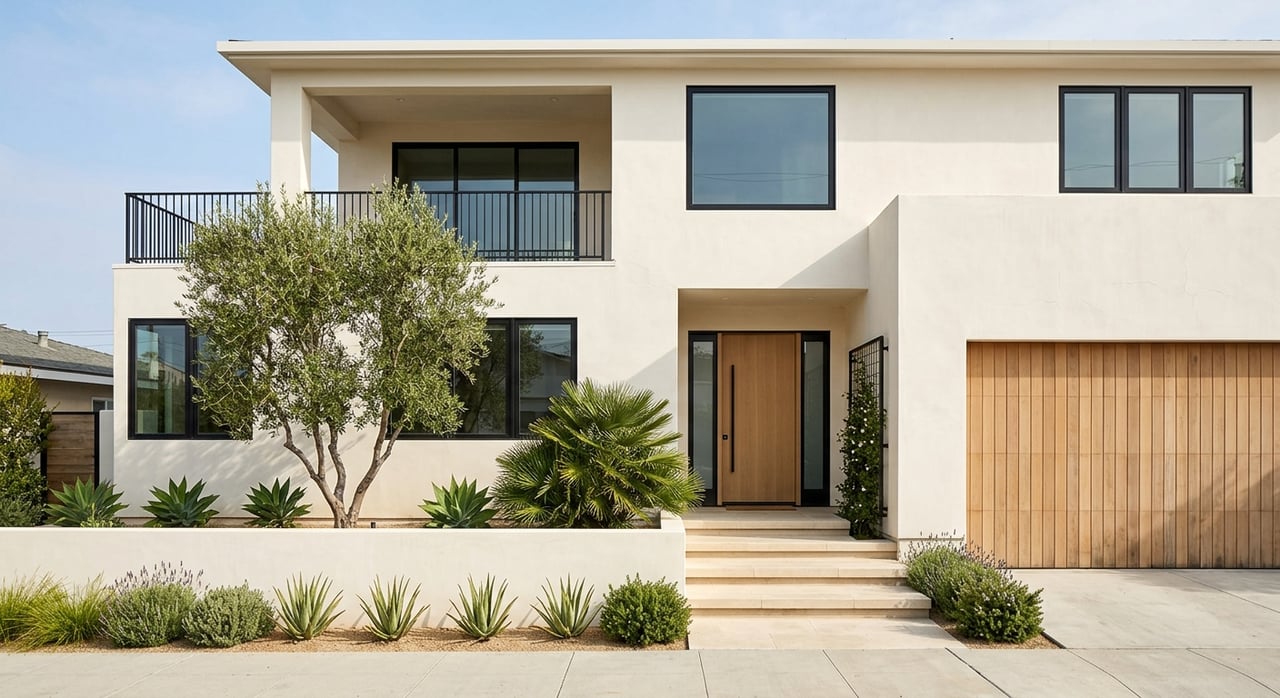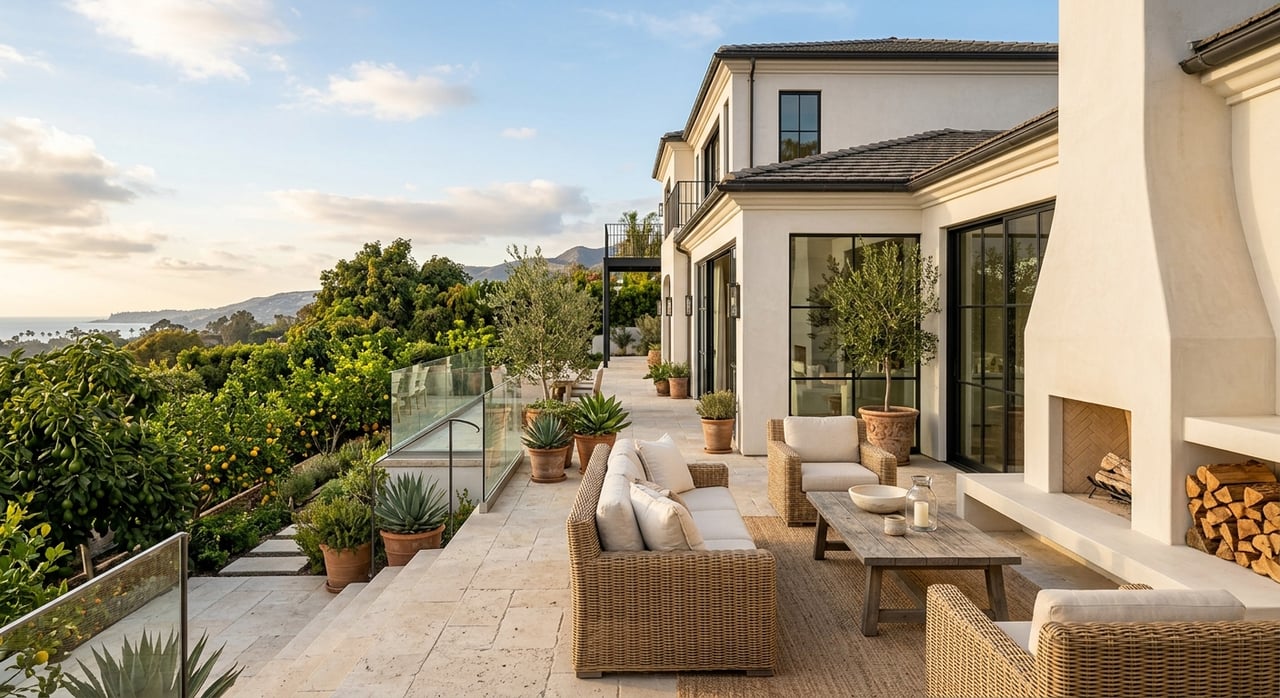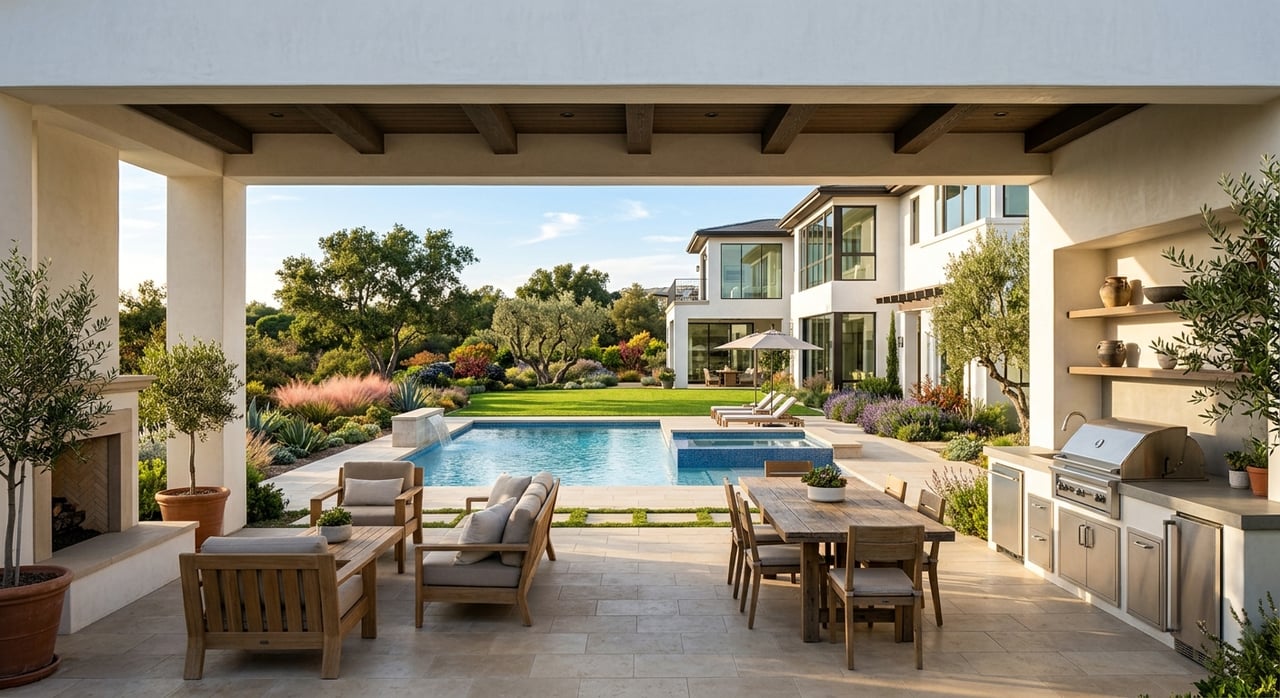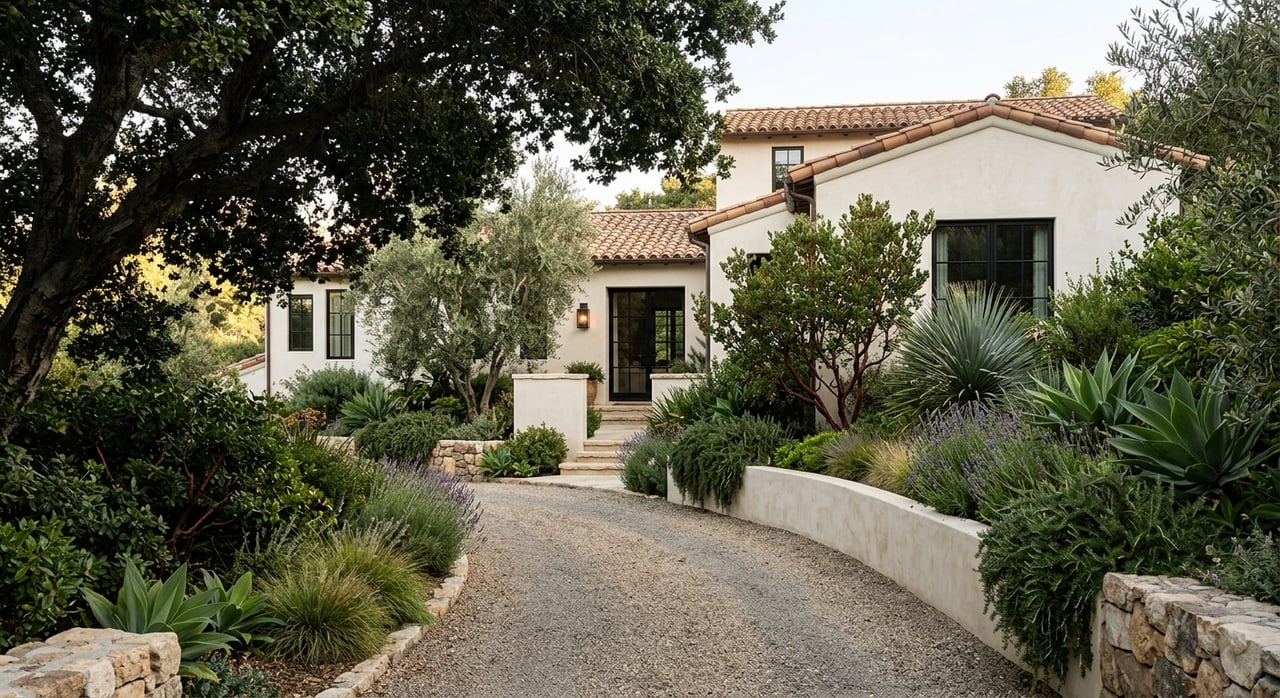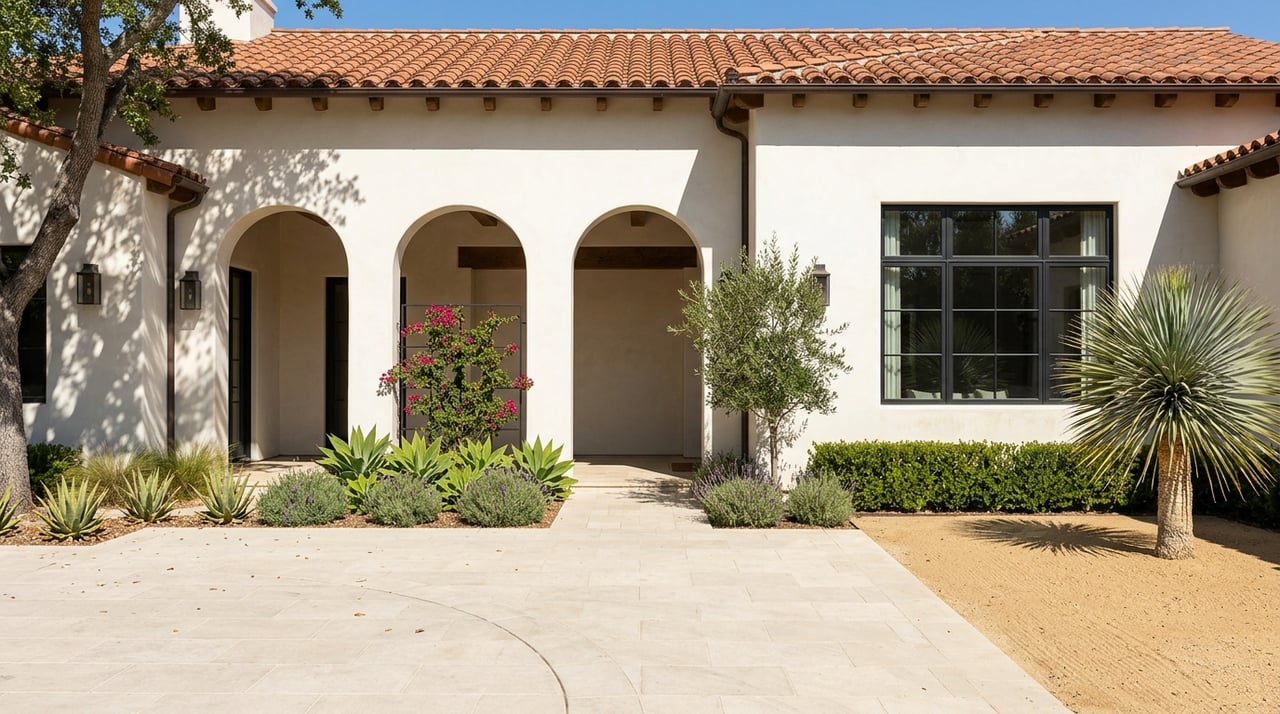
If Corona del Mar felt simple, pricing would be simpler too. Instead, this coastal Newport Beach community acts more like a collection of luxury micro-markets, where a few blocks, a change in elevation, or easier beach access can shape how a home lives and how buyers respond to it. If you are buying or selling here, understanding those differences can help you read value more clearly, position a property more effectively, and focus your search with more confidence. Let’s dive in.
Why Corona del Mar Splits Into Pockets
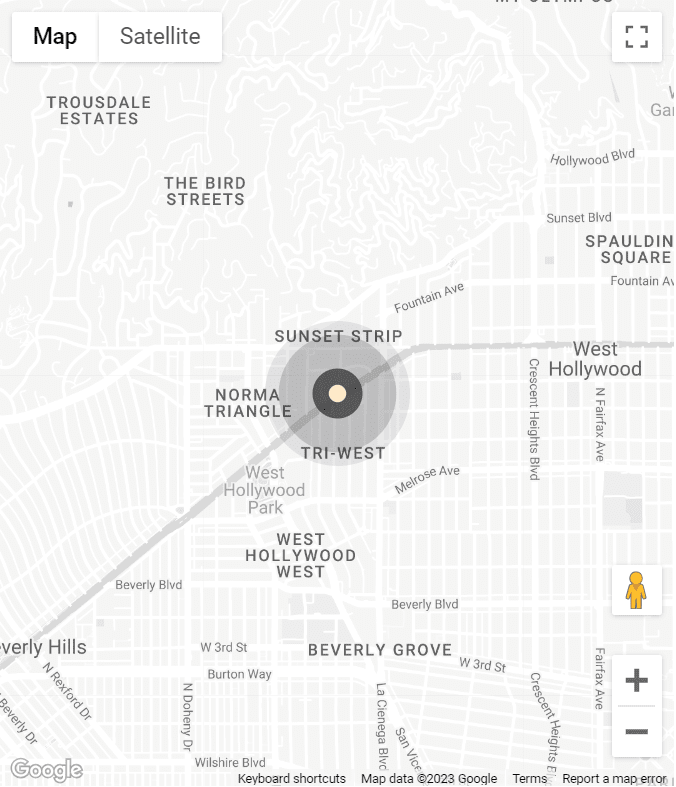
Corona del Mar is part of Newport Beach, and the city’s own planning and mapping treat it as more than one uniform area. The city has separate map products for Corona del Mar, Corona del Mar Village, Irvine Terrace, and the combined Cameo Shores, Highlands, Shorecliffs, and Corona Highlands area.
That matters because official mapping usually reflects real-world differences in topography, access, and use. The zoning code also identifies separate bluff overlay areas for places like Ocean Boulevard, Breakers Drive, Shorecliffs, Cameo Shores, Irvine Terrace, Carnation Avenue, and Avocado Avenue and Pacific Drive.
In practical terms, Corona del Mar value is often shaped by three everyday factors: elevation, access, and amenities. A home near the commercial corridor may deliver walkable convenience, while a blufftop property may offer a different mix of privacy, views, and development constraints.
Village Living in Corona del Mar
What defines the Village
The Village is the most pedestrian-oriented pocket in Corona del Mar. It is known for flower-named residential streets, a mix of vintage cottages and newer homes, and close access to the Coast Highway commercial corridor with shops, boutiques, and restaurants.
This area also connects naturally to neighborhood amenities. Sherman Library and Gardens sits just inland, and the city’s Corona Del Mar Loop passes through part of the flower streets and adds ocean-view moments along Ocean Boulevard.
How the housing mix varies
The Village is not one single housing product. Current inventory examples in Corona del Mar include smaller-footprint inland and village-adjacent options such as a Lilac Avenue property listed at $1.875 million and an Iris Avenue unit listed at $2.995 million.
That range tells you something important. Even within the Village, pricing and lifestyle can vary based on lot size, attached versus detached configuration, street location, and how directly a property connects to retail, dining, or the coast.
The Village tradeoff
Village living often means giving up lot size for convenience. You may be closer to daily errands, restaurants, and beach access, but parking and circulation can add friction, especially during busier times.
The city notes that the Corona del Mar beach lot is open daily from 6 a.m. to 10 p.m. and has 572 first-come, first-served spaces. For Little Corona, parking relies on nearby residential streets, and the city warns that no-parking enforcement is active.
Oceanfront and Ocean Boulevard Appeal
Why this pocket commands attention
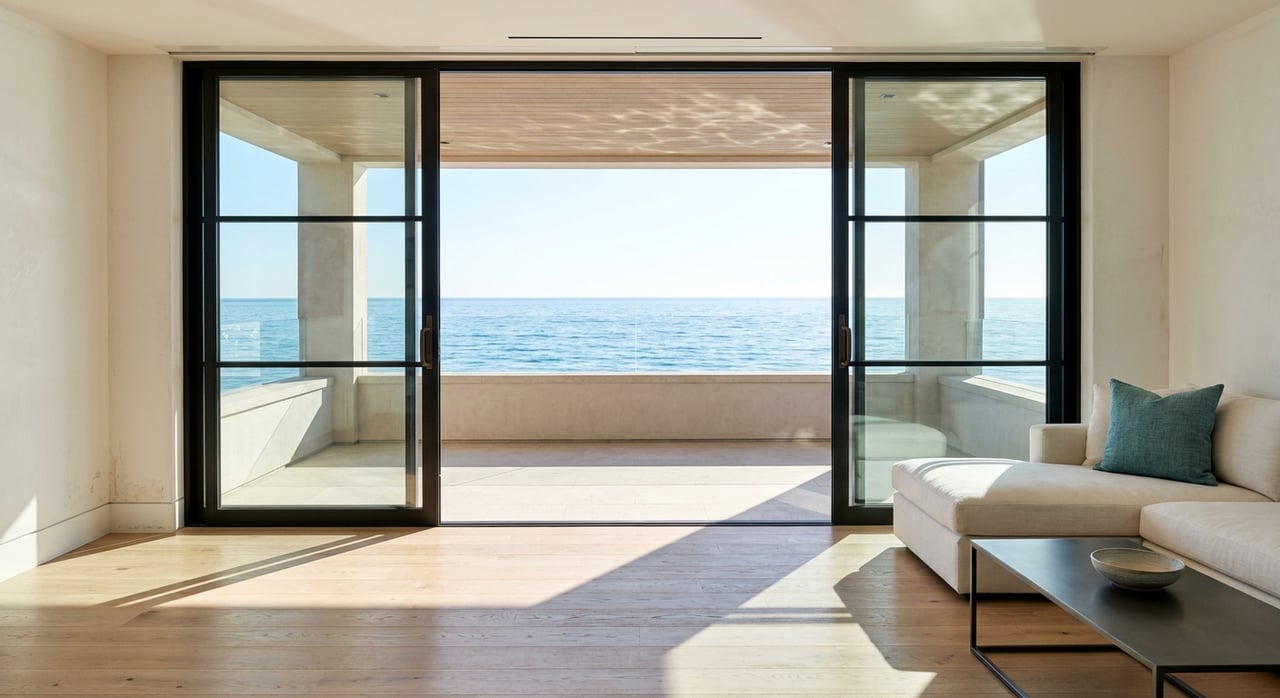
The oceanfront pocket around Ocean Boulevard and Main Beach is the most direct coastal product in Corona del Mar. Here, the lifestyle story centers on immediate water proximity, coastal views, and easier access to the beach itself.
Corona del Mar State Beach is described by California State Parks as a half-mile sandy beach framed by cliffs and a rock jetty at the east entrance to Newport Harbor. Access near Iris Street and Ocean Boulevard, along with amenities like parking, restrooms, showers, picnic areas, swimming, snorkeling, and surfing, reinforce why this location carries such strong appeal.
Access shapes value here
In luxury coastal markets, convenience matters. The city’s beach lot hours and 572-space capacity help explain why nearby addresses can feel more functional for frequent beach use than homes farther inland.
Little Corona adds another layer to this micro-market. It is known as a snorkeling and tidepool area, but parking depends on nearby streets around Ocean and Poppy, where enforcement is regularly noted by the city.
What pricing range suggests
Current Corona del Mar inventory examples include Ocean Boulevard properties listed at $9.5 million and $16.195 million. That spread reflects a different product category from smaller inland or village-adjacent homes.
When buyers look at this pocket, they are often comparing more than square footage. They are weighing frontage, sightlines, beach access, and the ease of enjoying the coastline on a daily basis.
Blufftop Enclaves and View Corridors
What makes bluff locations distinct
Some of Corona del Mar’s most compelling luxury pockets are not directly on the sand at all. Instead, they sit on bluffs or elevated terraces where the value equation shifts toward outlook, privacy, lot geometry, and outdoor living potential.
The city’s zoning code places identified bluff areas within a Bluff Overlay District with special development standards for setbacks and height. The Local Coastal Program maps also distinguish between areas subject to marine erosion and areas that are not.
Why block-by-block differences matter
This is one of the clearest reasons Corona del Mar should be understood pocket by pocket. A home with a view on one street may face a very different buildability or design context than a home just a few blocks away.
The city’s separate mapping for areas like Cameo Shores, Shorecliffs, Corona Highlands, and Ocean Boulevard and Breakers Drive supports that idea. In a market like this, two homes can share a Corona del Mar address but function very differently in the eyes of buyers.
Irvine Terrace as Its Own Luxury Pocket
Why Irvine Terrace stands apart
Irvine Terrace is one of the clearest examples of a separate Corona del Mar micro-market. The city maintains a distinct map for it, which is an early sign that it operates differently from the Village or oceanfront pockets.
This area reads more like an elevated residential terrace with strong amenity value. Irvine Terrace Park includes bay views, ocean views, a parking lot, tennis courts, a basketball court, play equipment, restrooms, an athletic field, and picnic infrastructure.
How buyers may view the setting
Compared with sand-front or cove-front locations, Irvine Terrace often presents a quieter terrace setting with park access as part of the lifestyle equation. Coastal zoning materials also identify Irvine Terrace maps as not subject to marine erosion, which adds another point of distinction in how the area is understood.
That does not make it better or worse than other pockets. It simply means the buyer appeal is different, and that difference can shape both pricing conversations and marketing strategy.
Walkability, Access, and Daily Use
Walkability is real, but not car-free
Corona del Mar offers a compact coastal lifestyle with strong outdoor access. The city highlights amenities such as the state beach, the Robert E. Badham Marine Conservation Area, Lookout and Inspiration Points, Sherman Library and Gardens, the Corona Del Mar Loop, and Buck Gully Trail.
Those amenities support the area’s lifestyle value, but they do not erase the realities of parking and circulation. The city notes that most areas require daytime payment, lots operate daily from 6 a.m. to 10 p.m., and mobile payment options and an interactive parking map are part of the system.
Why this matters for buyers and sellers
If you are buying, this means you should think beyond the brochure version of walkability. Ask how often you want to walk to dining, reach the sand quickly, host guests, or navigate seasonal traffic patterns.
If you are selling, those same details help define your home’s strongest story. A property near the Village may shine because of convenience and street character, while a bluff or terrace home may resonate more for privacy, outlook, and a different pace of daily life.
What the Price Range Really Tells You
Redfin’s current Corona del Mar snapshot shows a median listing price of $4.39 million and homes averaging 3 days on market. At the same time, current inventory spans from roughly $1.875 million to $16.195 million.
That is a wide spread for one community name, and it supports a simple conclusion. Corona del Mar is not one luxury market. It is several connected micro-markets with different use patterns, price points, and buyer expectations.
For buyers, that means your best fit may depend less on the zip code and more on the exact pocket. For sellers, it means broad marketing language is rarely enough when positioning a high-value home.
Why Pocket-Specific Marketing Matters
In a market this nuanced, presentation should match the property’s exact lifestyle proposition. That is especially true in Corona del Mar, where buyers often respond to the way a home connects to its setting, not just to square footage or finishes.
Village homes may benefit from a story built around walkability, flower-street character, and proximity to the commercial corridor and Sherman Library and Gardens. Oceanfront homes may need a sharper focus on frontage, beach access, and harbor-entry views.
Blufftop properties often call for emphasis on view corridors, privacy, and outdoor living. Irvine Terrace homes may be best framed around the terrace setting, park adjacency, and the balance of coastal access with a quieter residential feel.
For sellers in particular, this is where disciplined, design-led marketing can make a difference. When a home is presented as an authentic lifestyle narrative tied to its exact micro-location, buyers can understand its value faster and more clearly.
If you are considering a move in Corona del Mar, the key is to look past the headline name and study the pocket. And if you want expert guidance on how to position or pursue a high-visual-value property in coastal Orange County, connect with The Twinning Team.
FAQs
What makes Corona del Mar different from one single luxury neighborhood?
- Corona del Mar functions like several micro-markets because the city maps and regulates separate areas such as the Village, Irvine Terrace, and bluff-related pockets, where elevation, access, and amenities can change how a property lives and how it is valued.
What is the Village area like in Corona del Mar?
- The Village is the most pedestrian-oriented pocket, with flower-named streets, a mix of older cottages and newer homes, and convenient access to Coast Highway shops, restaurants, and nearby amenities like Sherman Library and Gardens.
What defines the Ocean Boulevard pocket in Corona del Mar?
- The Ocean Boulevard area is the most direct coastal pocket, where beach proximity, frontage, and access to Corona del Mar State Beach are major parts of the lifestyle and pricing equation.
What is unique about blufftop homes in Corona del Mar?
- Blufftop homes often offer a different mix of privacy, view corridors, and outdoor living, and some are affected by bluff overlay development standards related to setbacks and height.
How is Irvine Terrace different from other Corona del Mar pockets?
- Irvine Terrace stands apart as an elevated residential terrace with strong park amenities, bay and ocean views, and a setting that often feels different from the Village or immediate oceanfront areas.
Why should sellers market a Corona del Mar home by pocket?
- Sellers often benefit from pocket-specific marketing because buyers may respond to very different value drivers depending on whether a home is in the Village, on the oceanfront, on a bluff, or in Irvine Terrace.