If you have ever wondered why luxury homes in San Clemente feel so distinct from other coastal markets, the answer starts with the city itself. San Clemente was shaped around a clear architectural identity, and that still influences what buyers notice, what sellers can highlight, and what gives a home lasting appeal. If you are buying, selling, or simply watching this market, understanding the local style story can help you make smarter decisions. Let’s dive in.
Why San Clemente luxury homes stand out
San Clemente was intentionally envisioned in the 1920s as a Spanish Village by the Sea. That original vision still matters today because the city’s planning approach continues to support and preserve that identity through design review, zoning, and architectural guidelines.
In practical terms, that means architecture in San Clemente is not just about personal taste. The city considers building form, height, setbacks, landscaping, lighting, and how a home fits into its surroundings. For luxury properties, especially in visible coastal areas, style and setting often go hand in hand.
The result is a market with a strong sense of place. You will still find the classic Spanish coastal look, but you will also see mid-century influence, modern interpretations, and custom blends that feel current while staying connected to the city’s architectural roots.
Spanish Colonial Revival remains the signature look
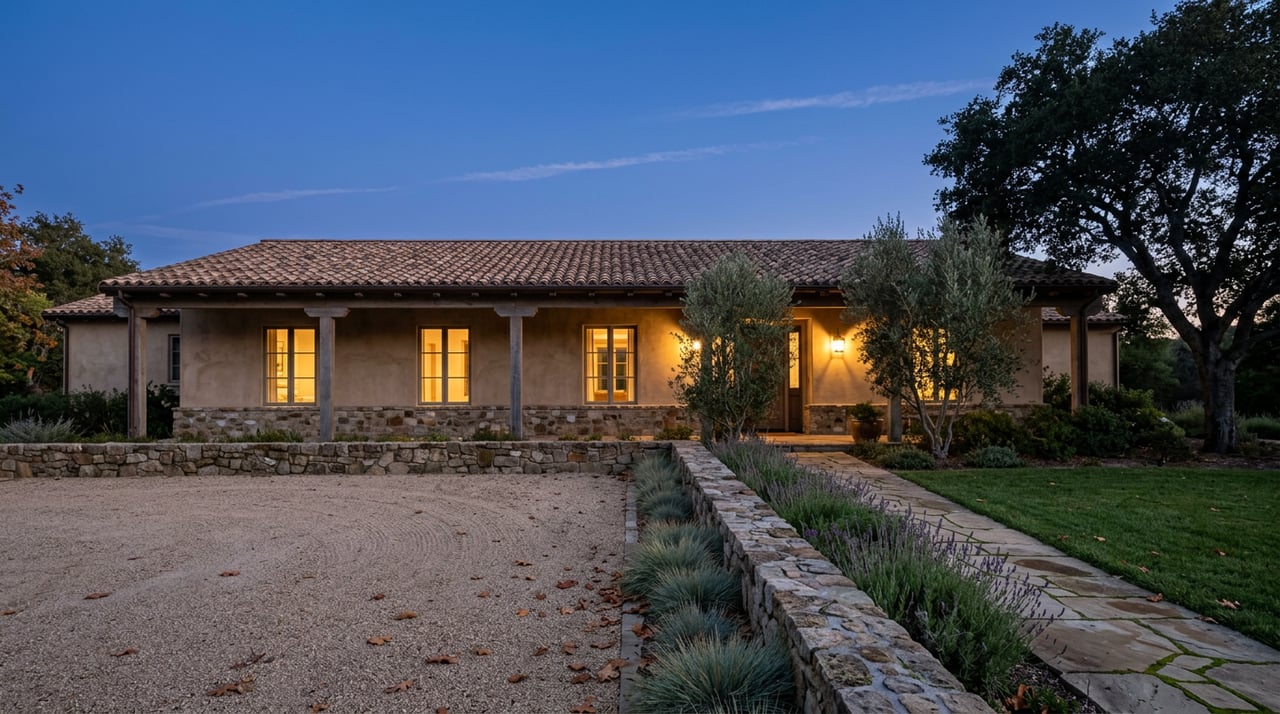
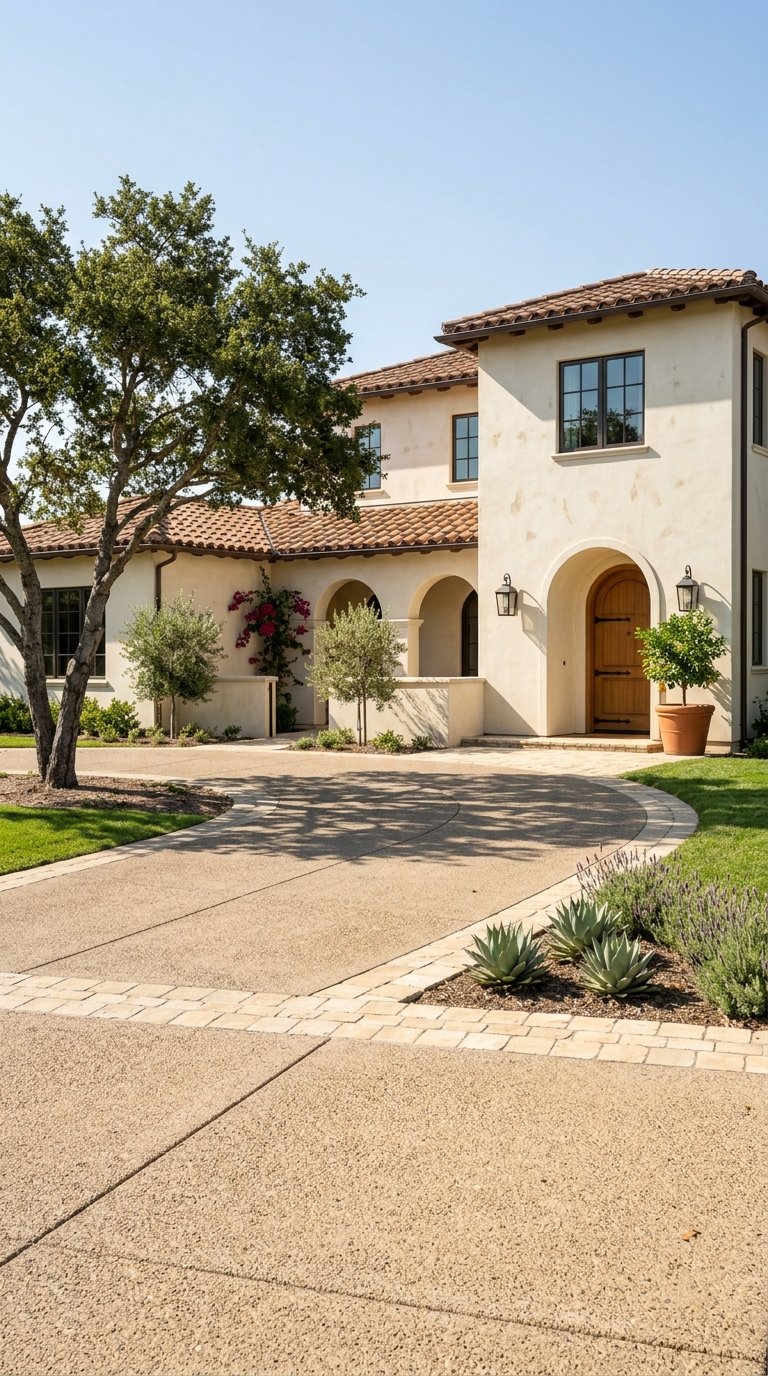
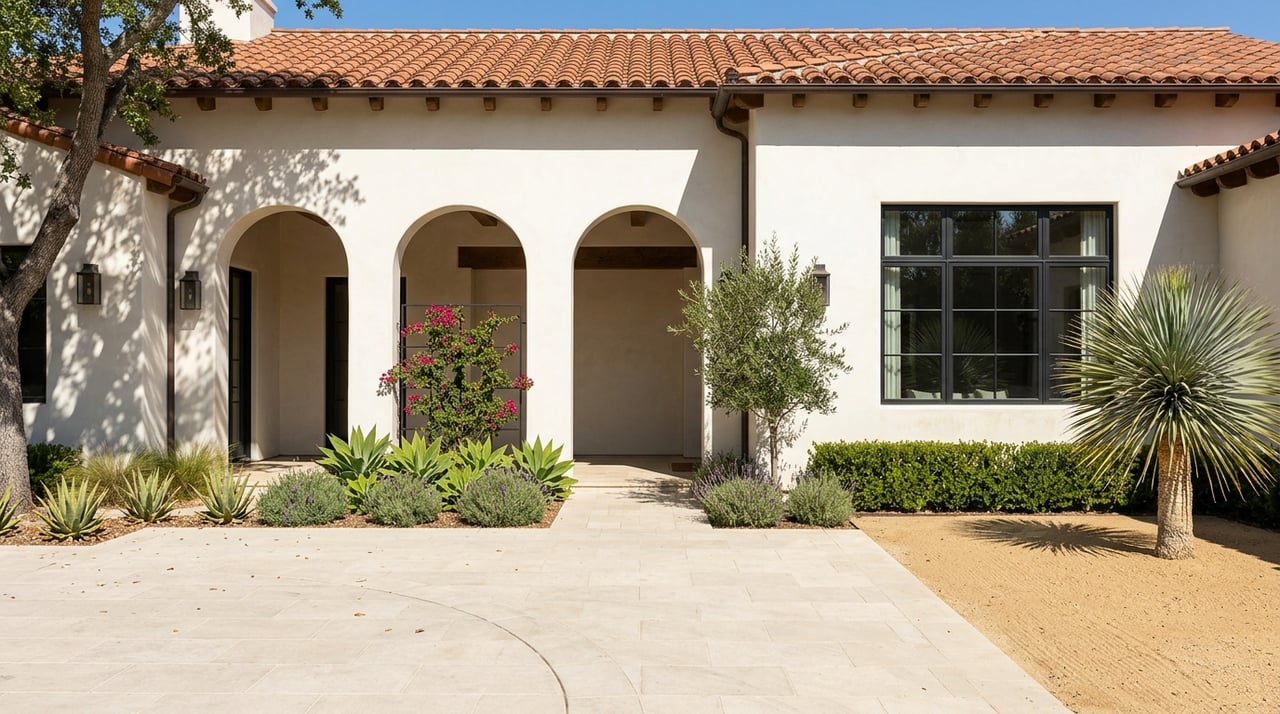
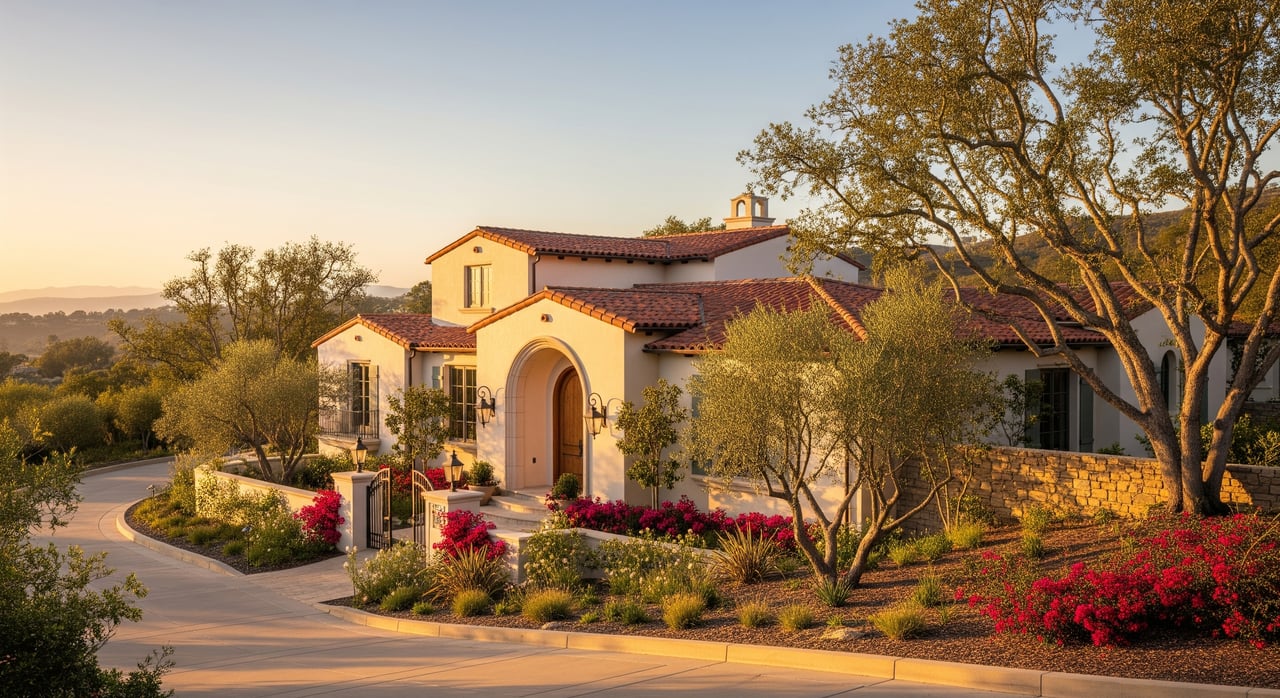
When most people picture San Clemente architecture, they are usually thinking of Spanish Colonial Revival. This is the clearest expression of the city’s identity and continues to shape the look of many luxury homes and prominent districts.
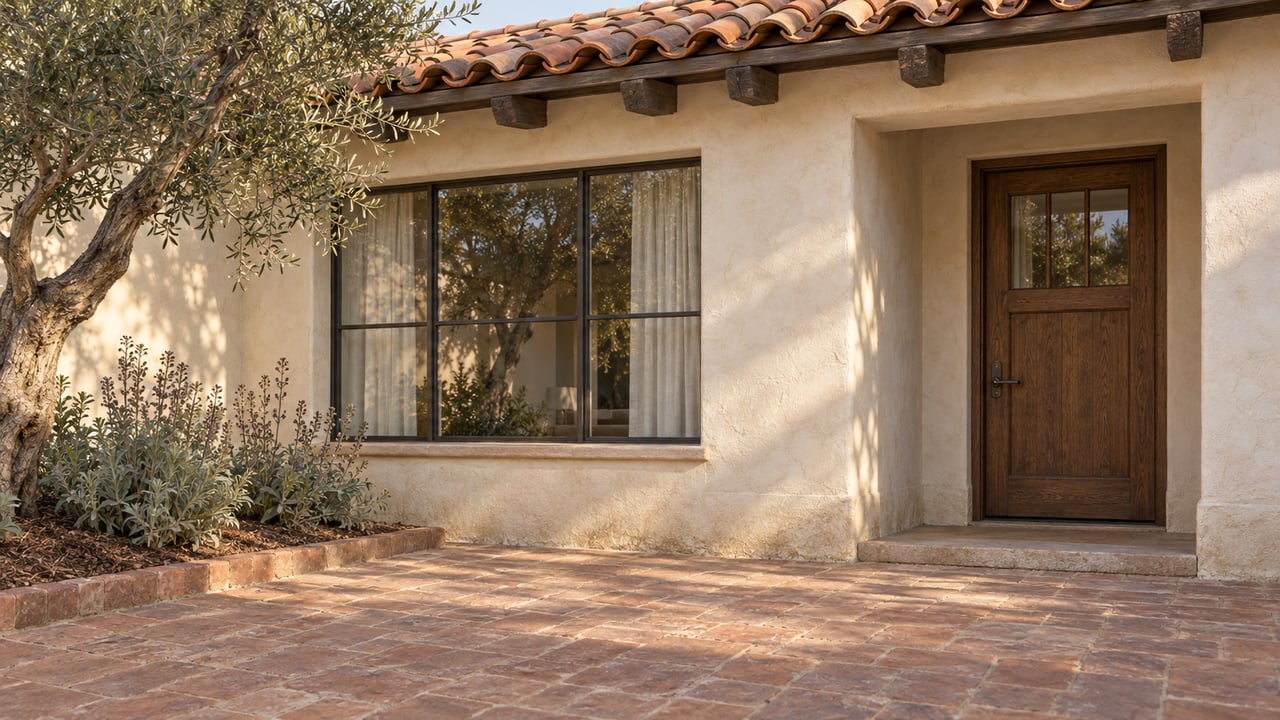
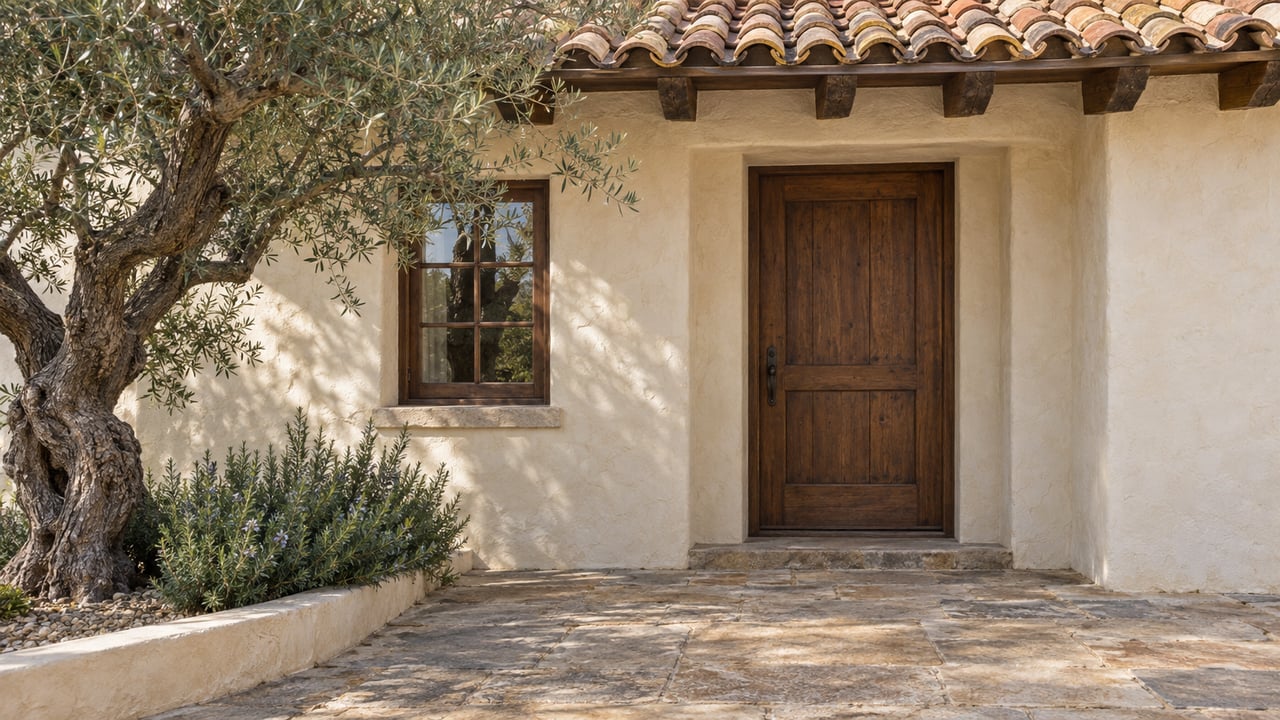
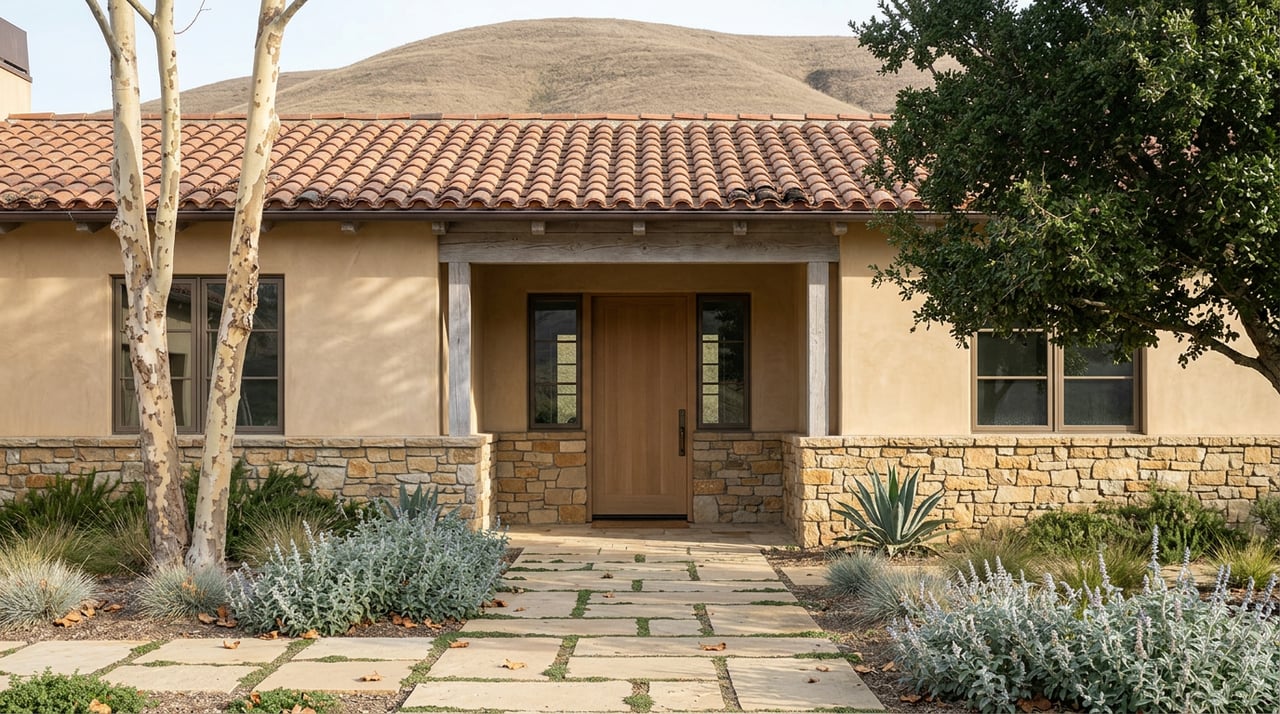
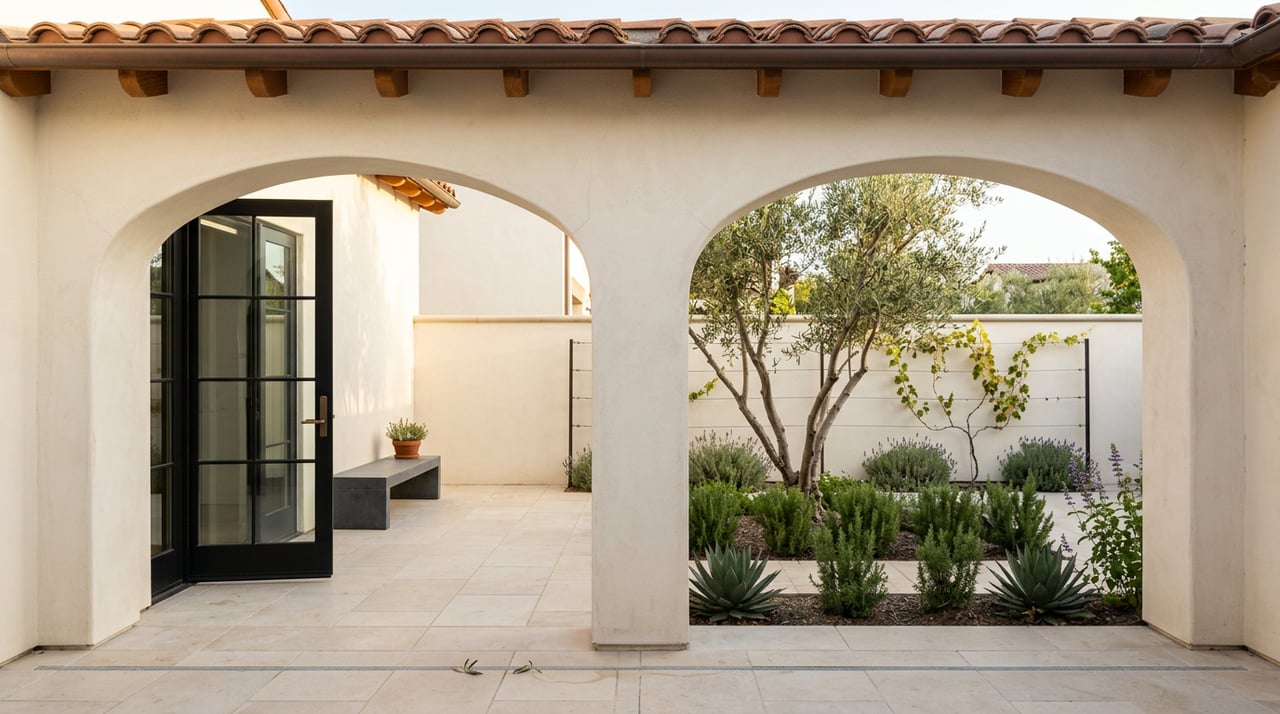
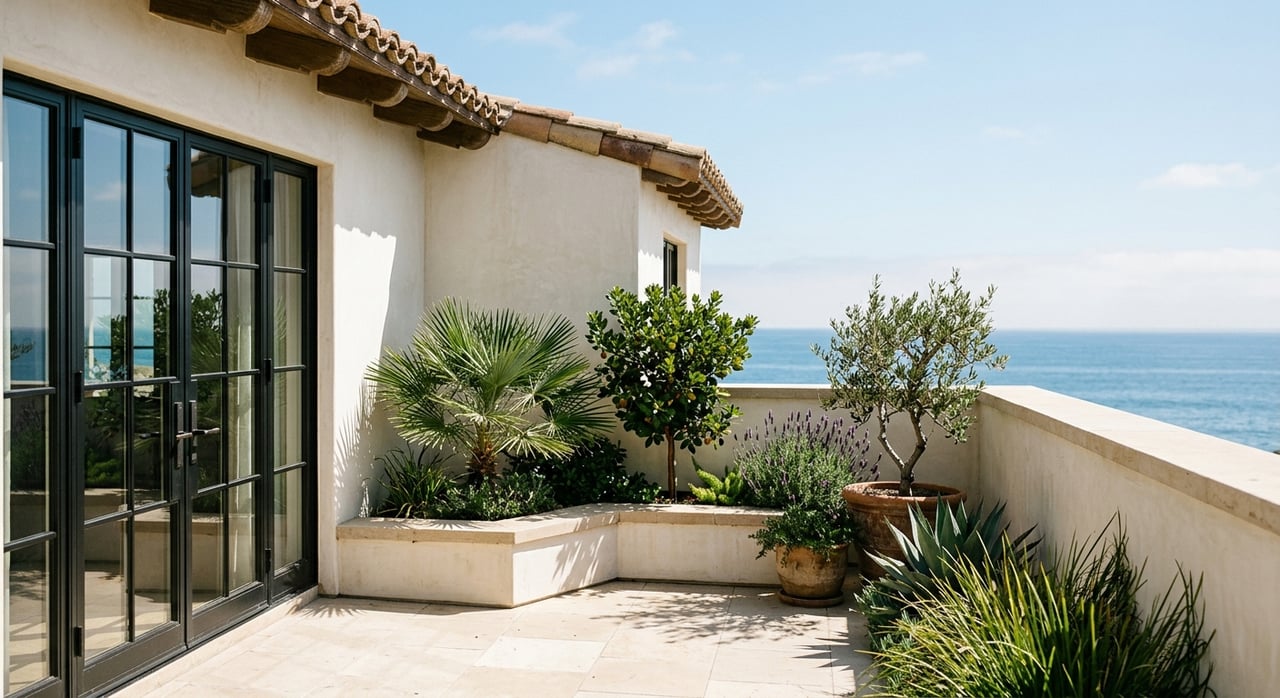
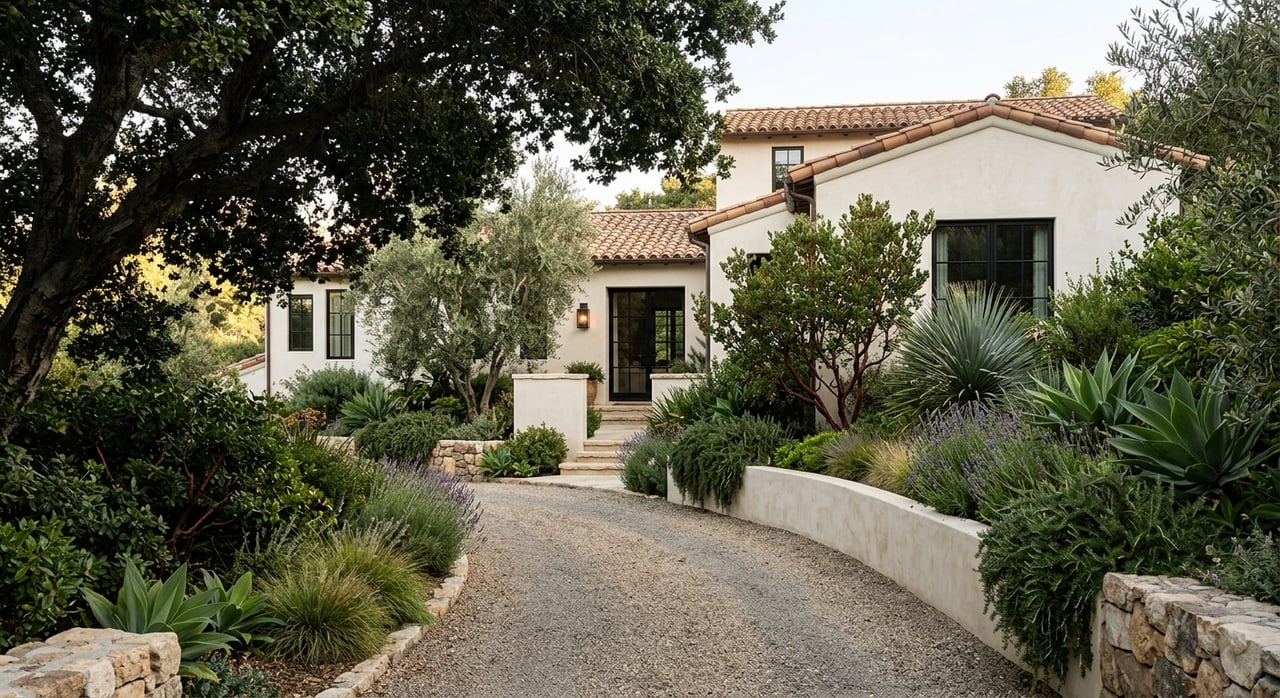
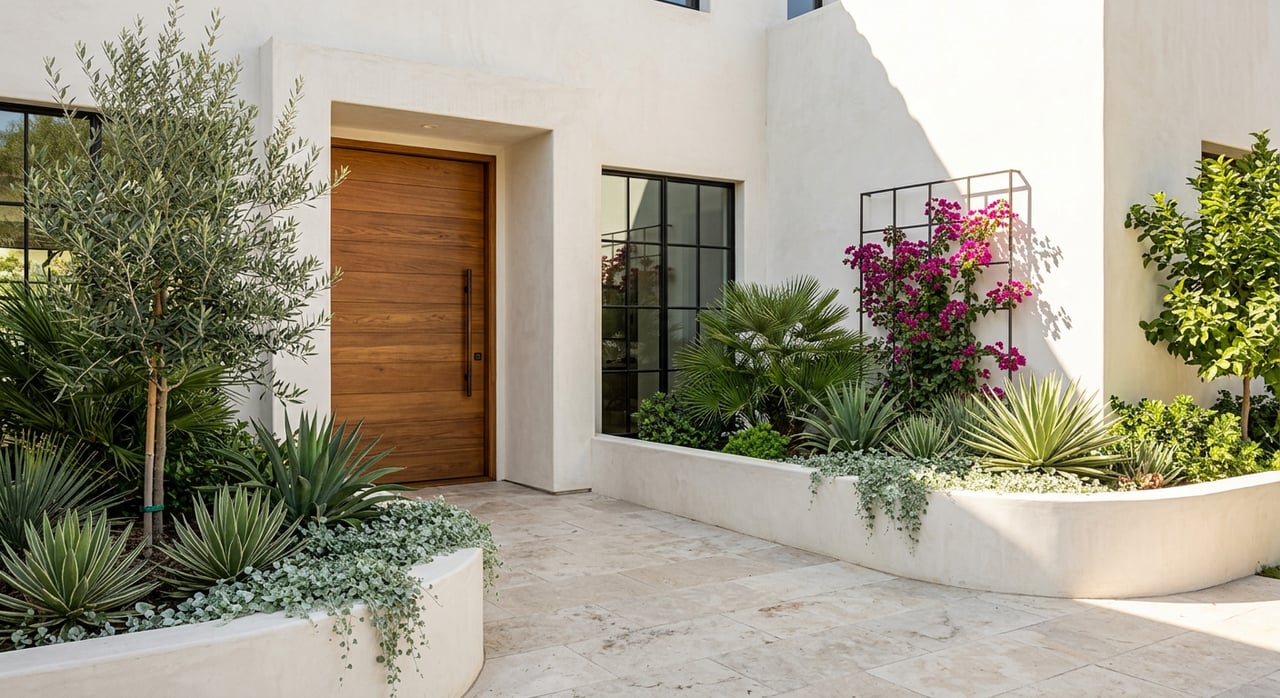
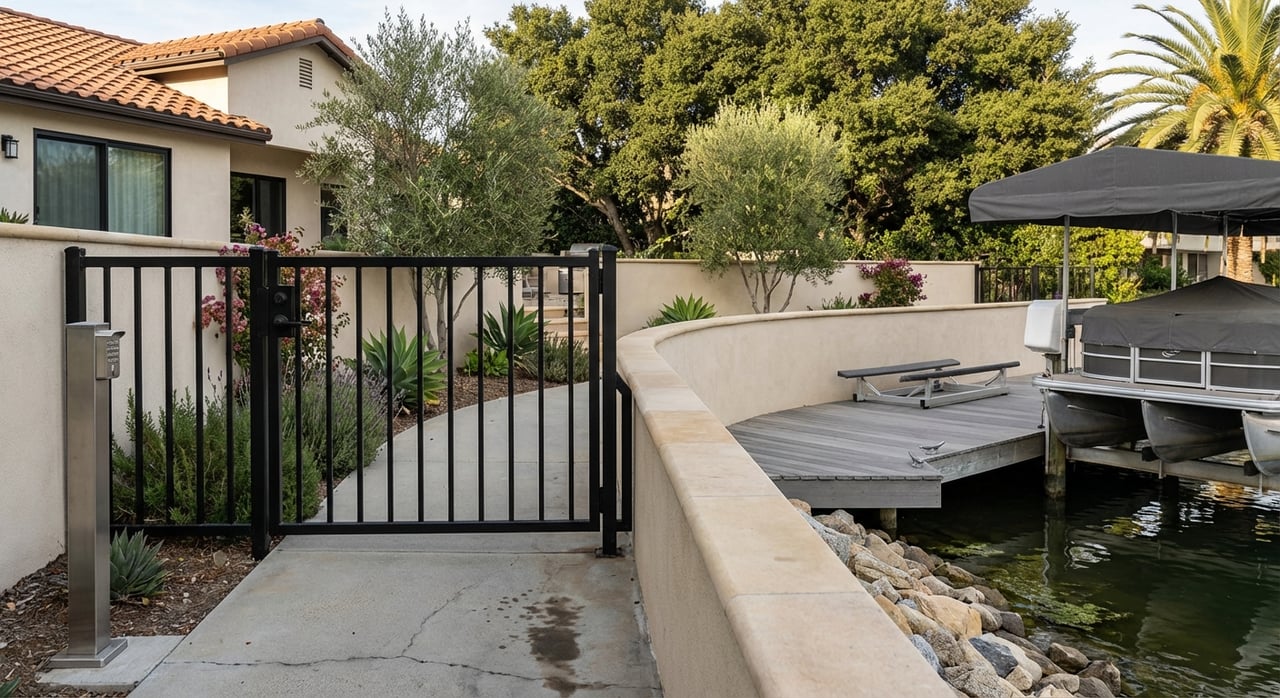
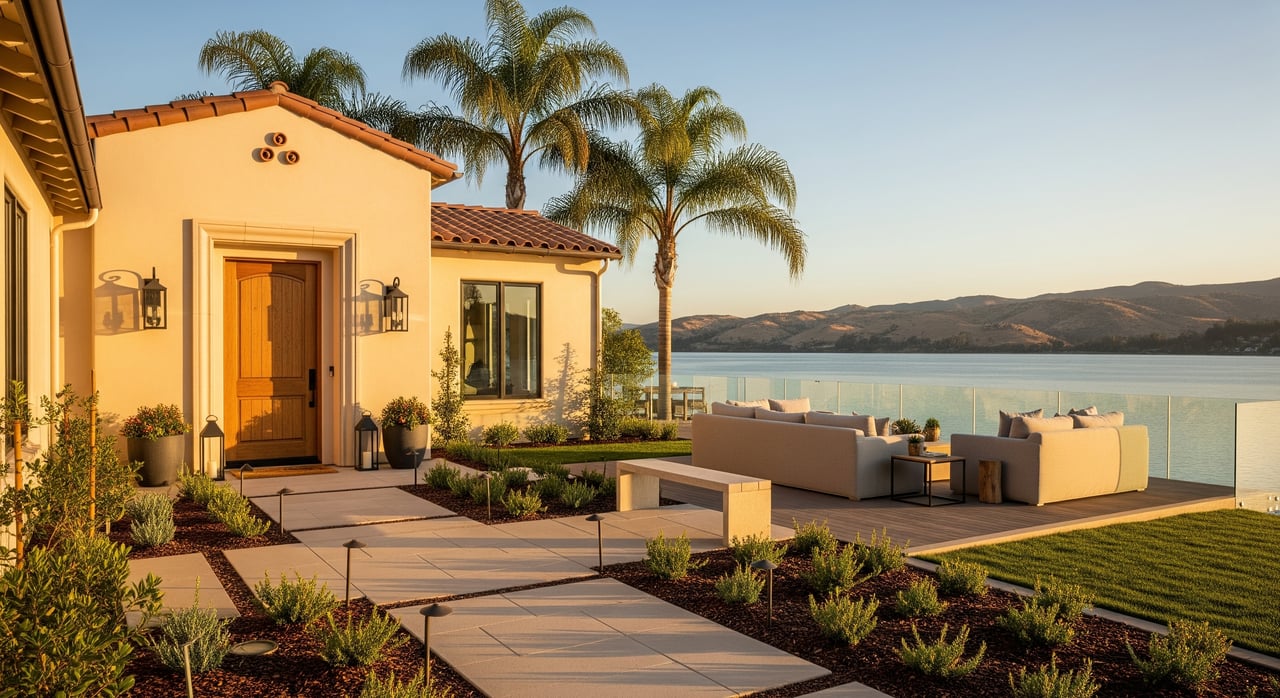
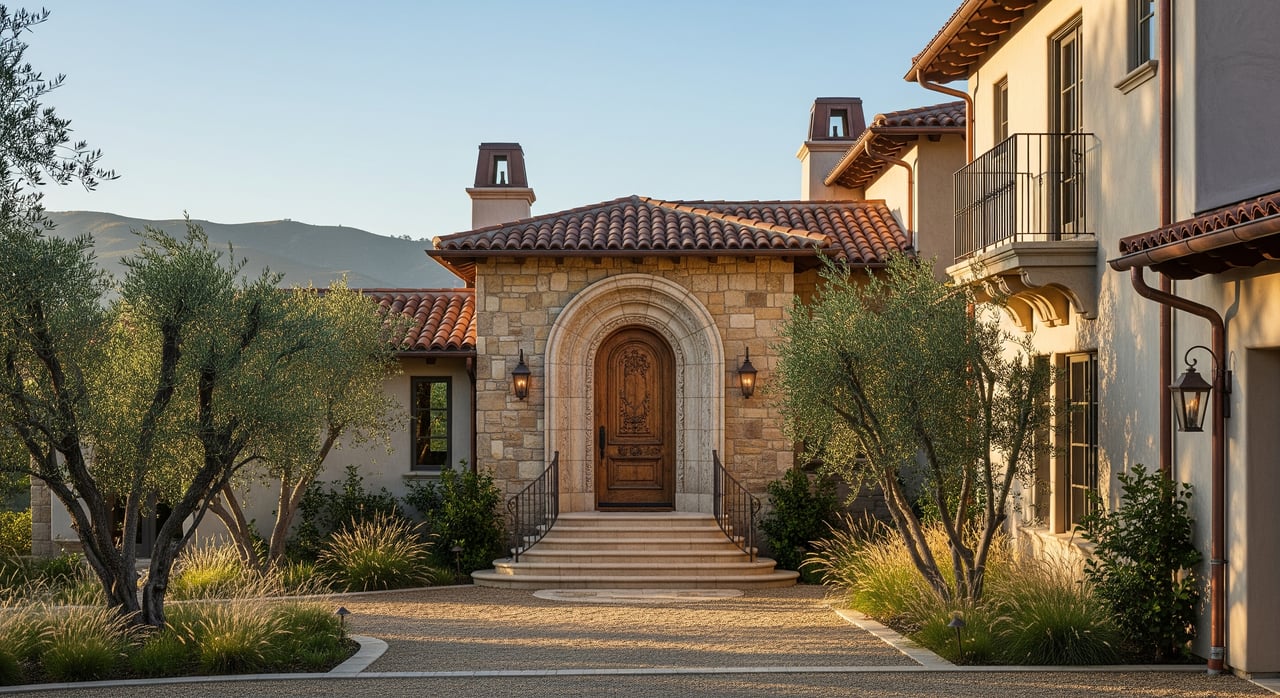
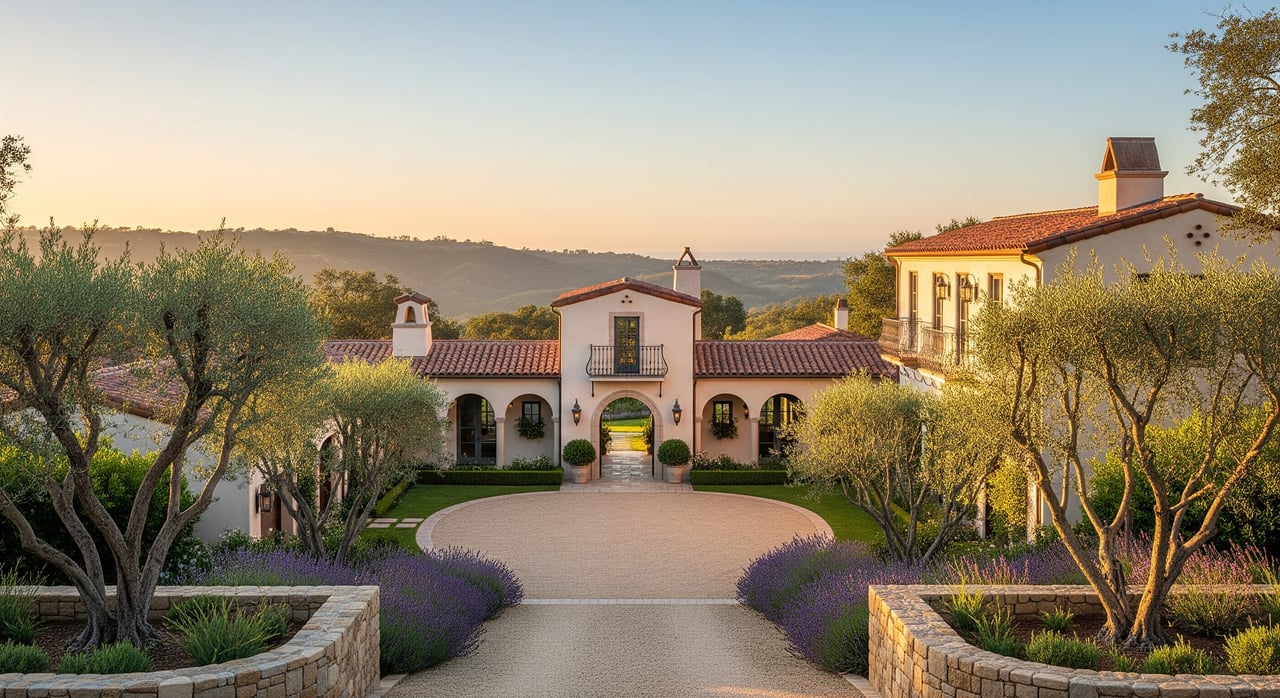
According to the city’s design guidelines, defining elements include smooth whitewashed walls, low-pitched red tile roofs, courtyards, balconies, verandas, arcades, recessed openings, wrought-iron details, and low garden walls. Just as important, the style emphasizes human-scale massing and a strong connection between the home and its outdoor spaces.
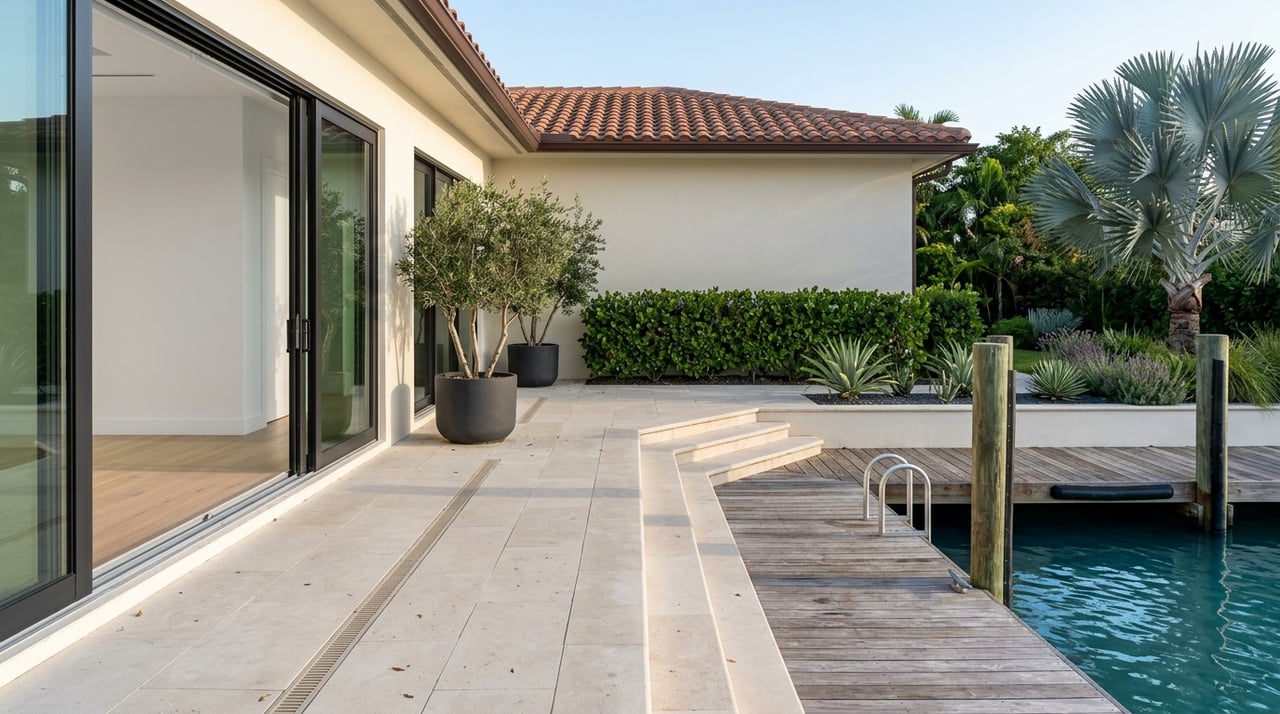
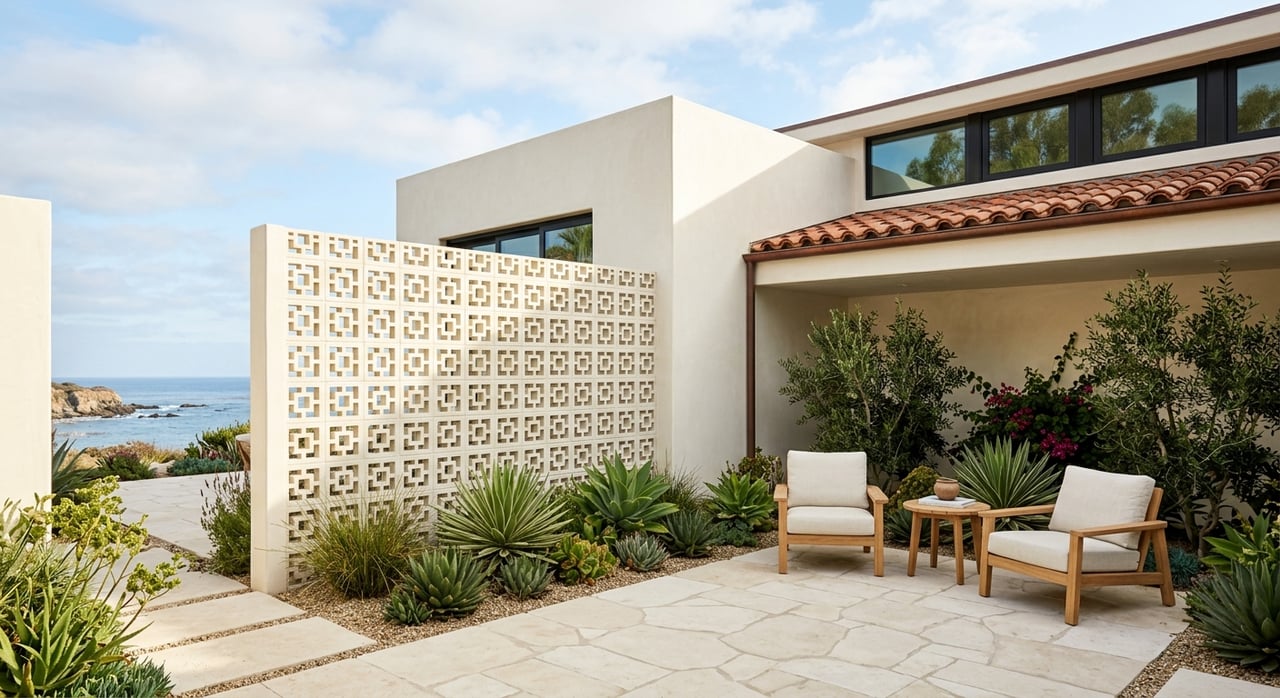
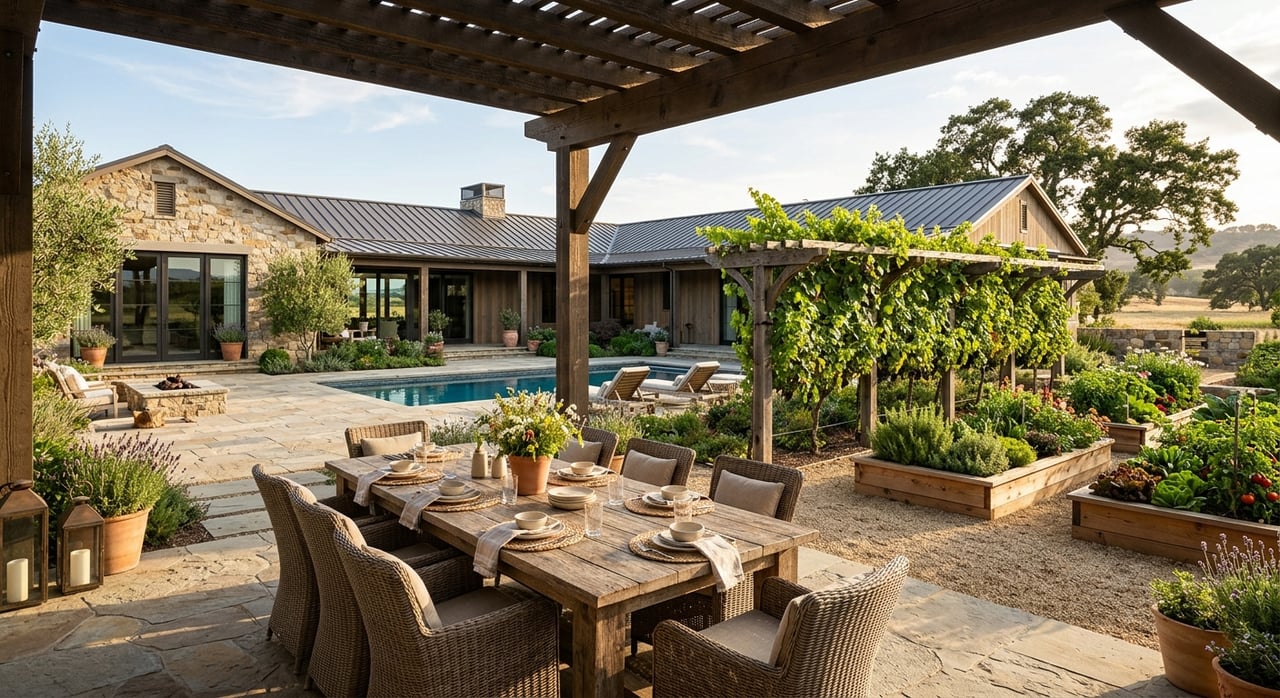
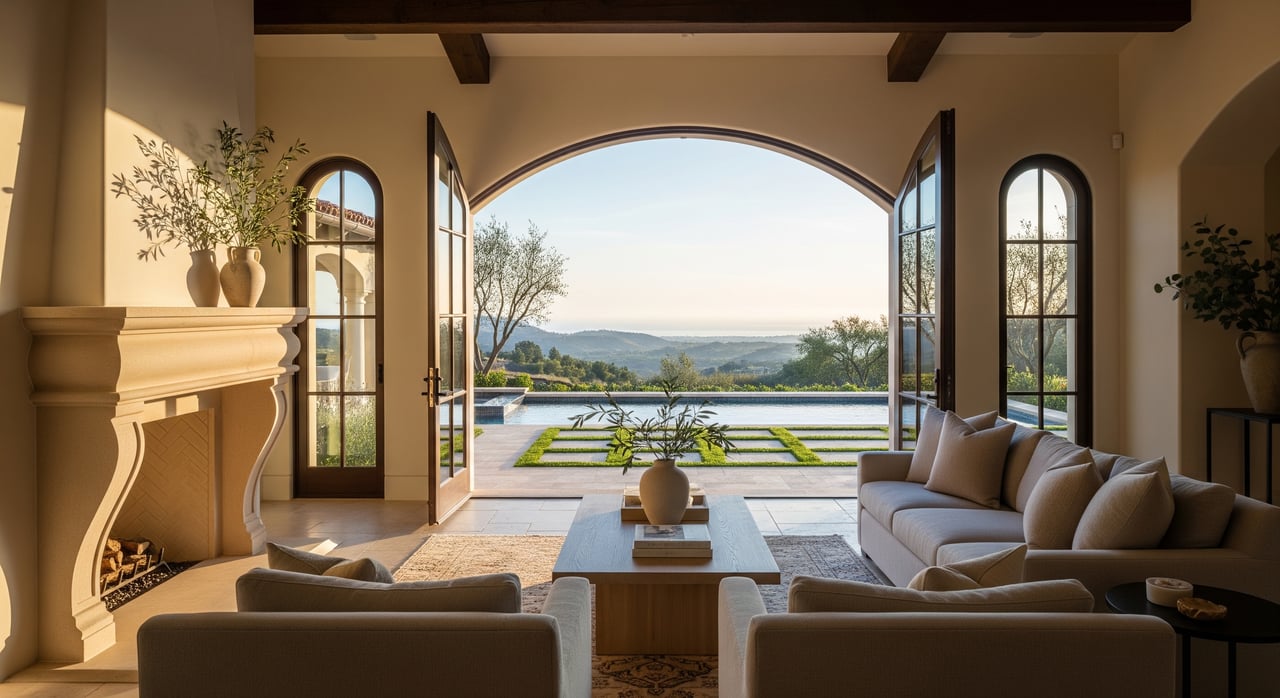
That outdoor connection is a major reason this style works so well in a coastal luxury setting. Patios, entry courts, shaded terraces, and garden spaces are not secondary features. They are a core part of how the architecture is meant to be lived in and experienced.
What buyers notice in Spanish-style homes
Buyers are often drawn to the warmth and texture of these homes. Tile, plaster, ironwork, and layered landscaping create a look that feels timeless and grounded in San Clemente rather than interchangeable with any other beach town.
For sellers, those details matter in presentation. A well-defined courtyard, inviting lighting, and outdoor spaces that feel intentional can help tell the home’s architectural story more clearly.
Coastal contemporary is shaping newer luxury homes
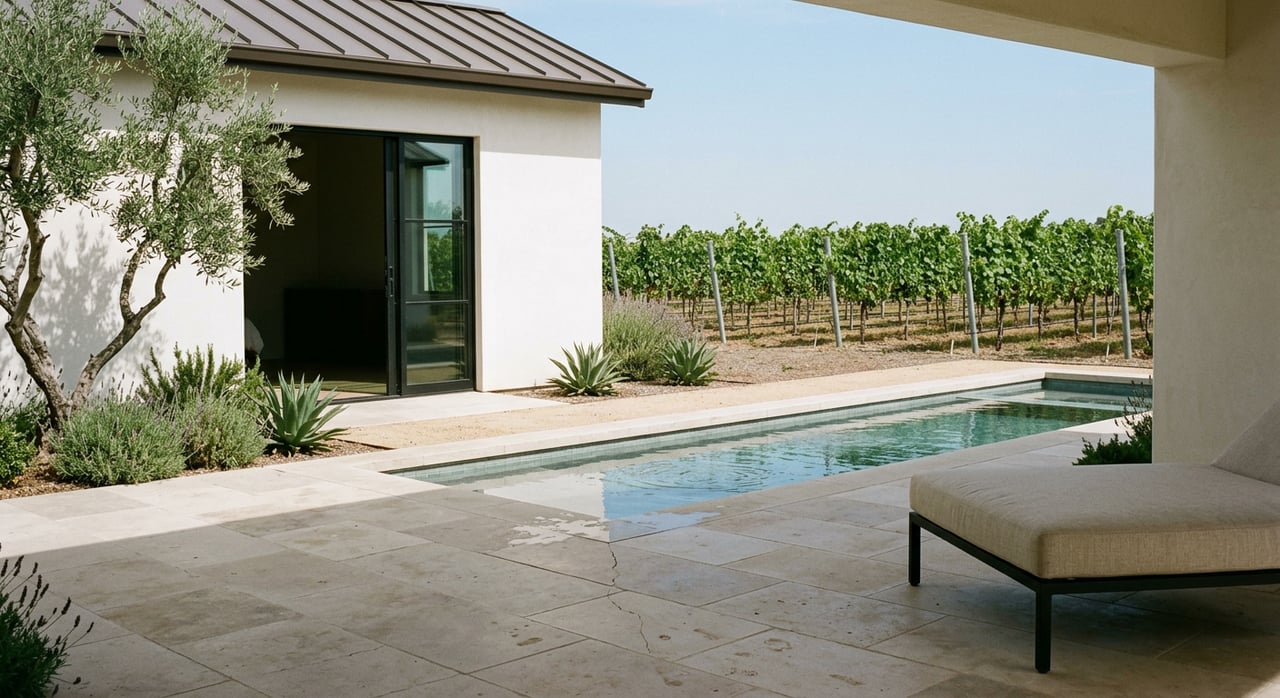
Not every luxury buyer wants a traditional look, and San Clemente has room for that too. The city allows contemporary interpretations of Spanish Colonial Revival when the design still respects the local vocabulary and site context.
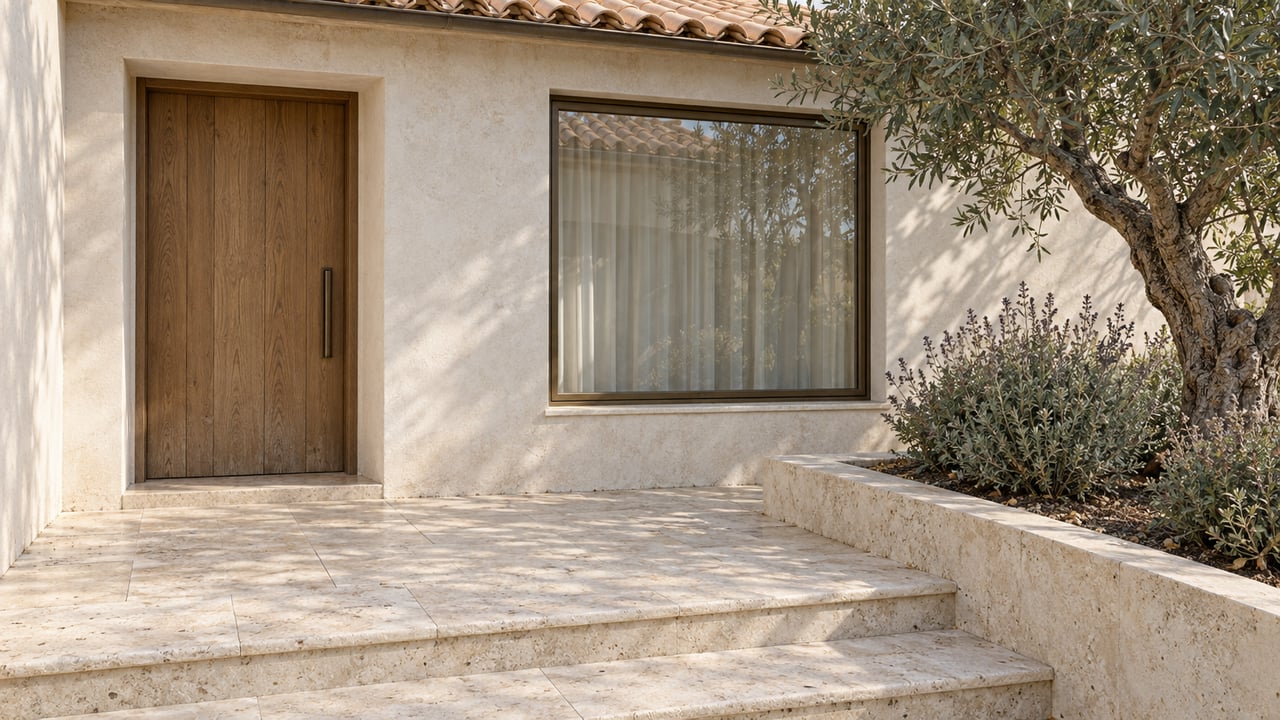
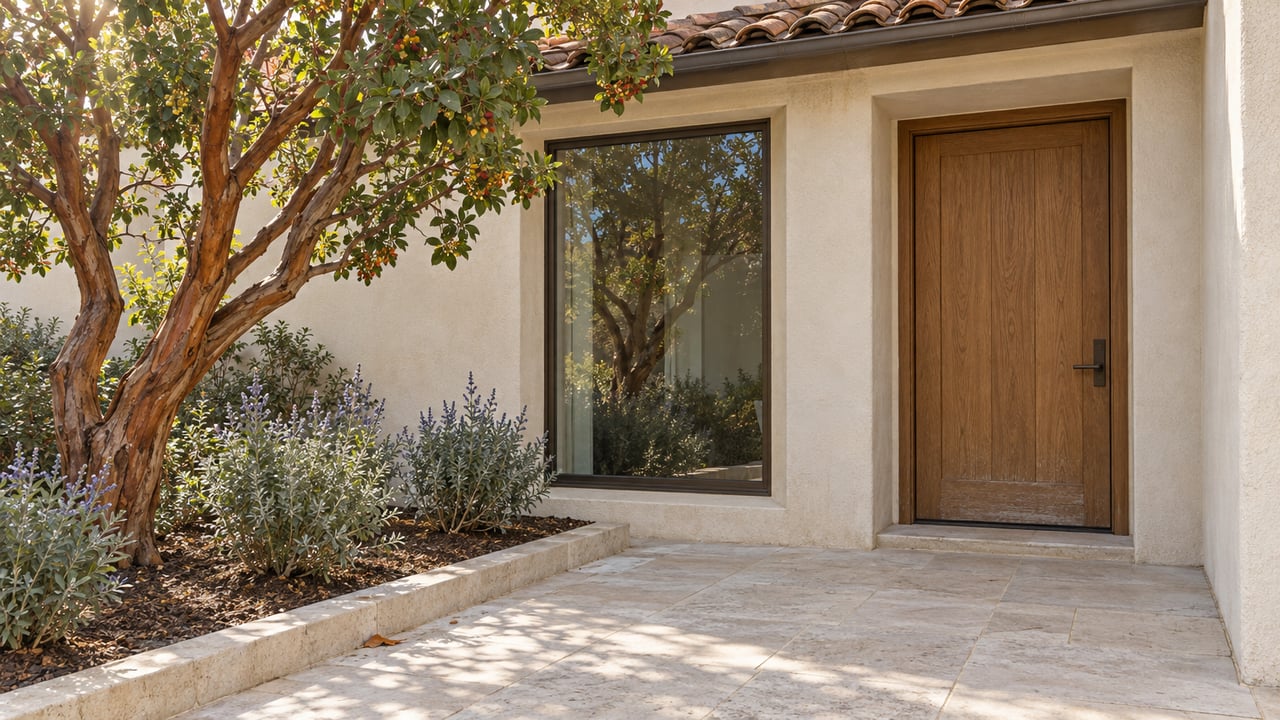
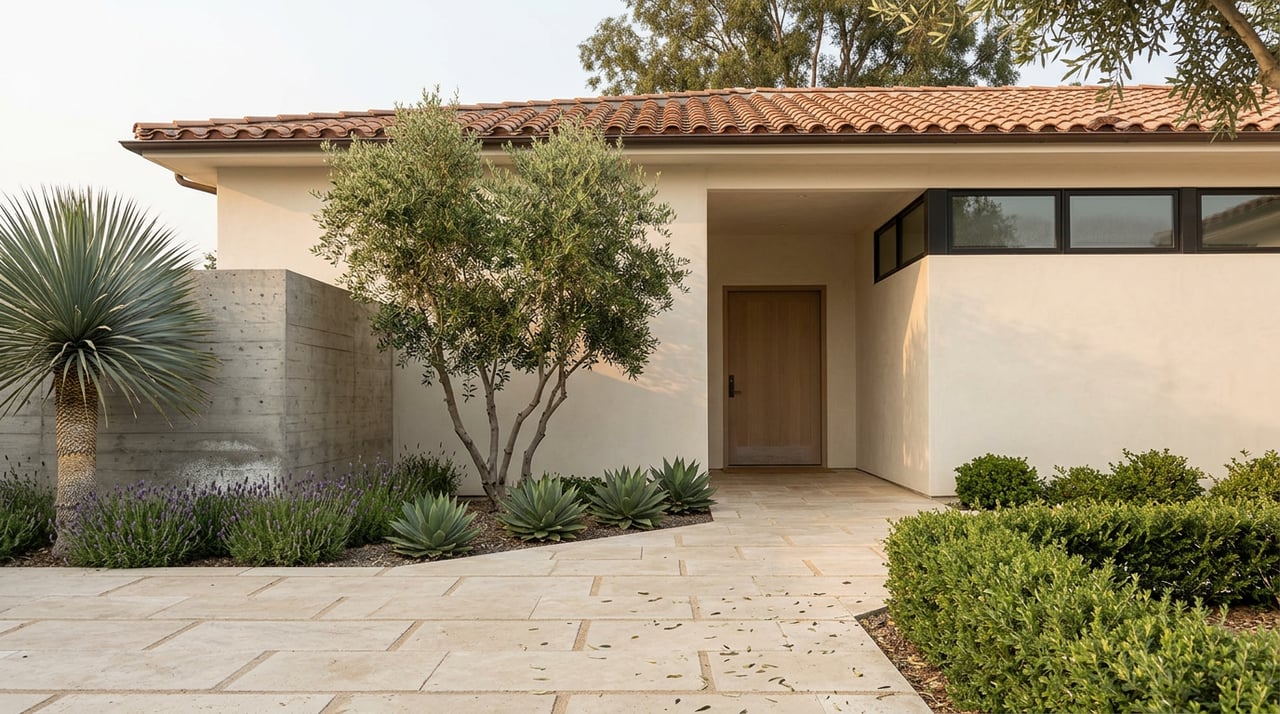
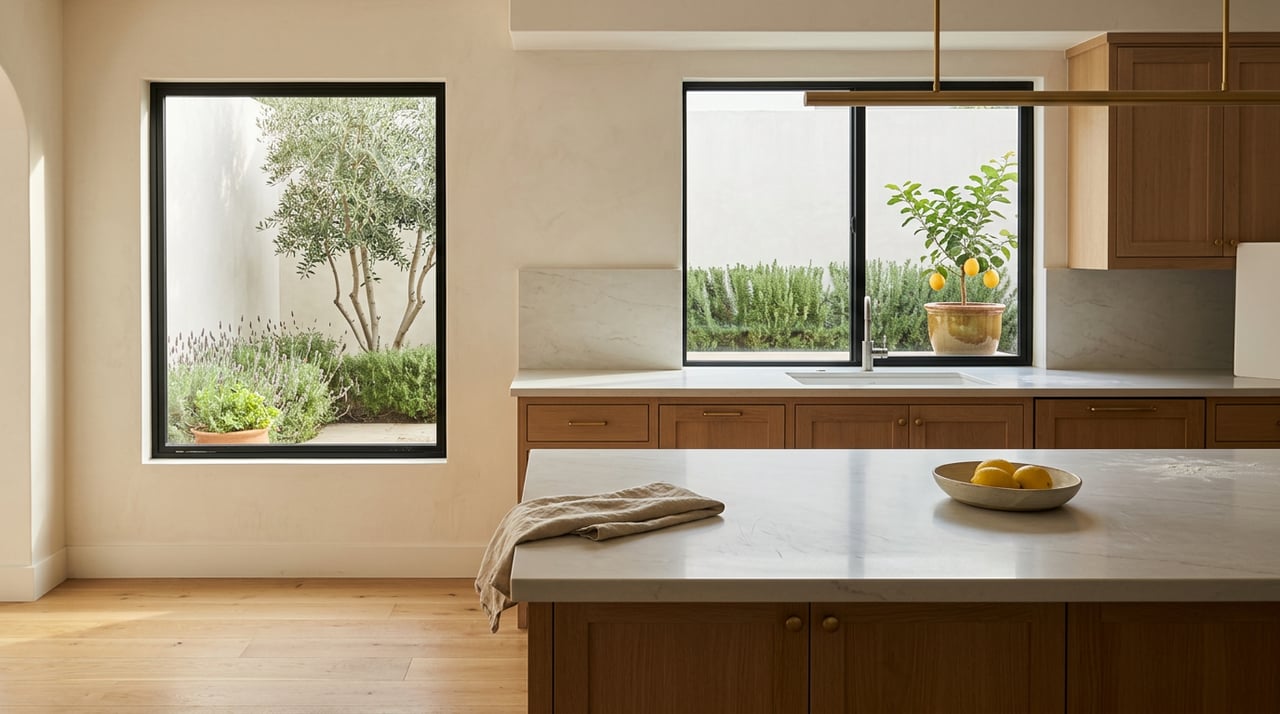
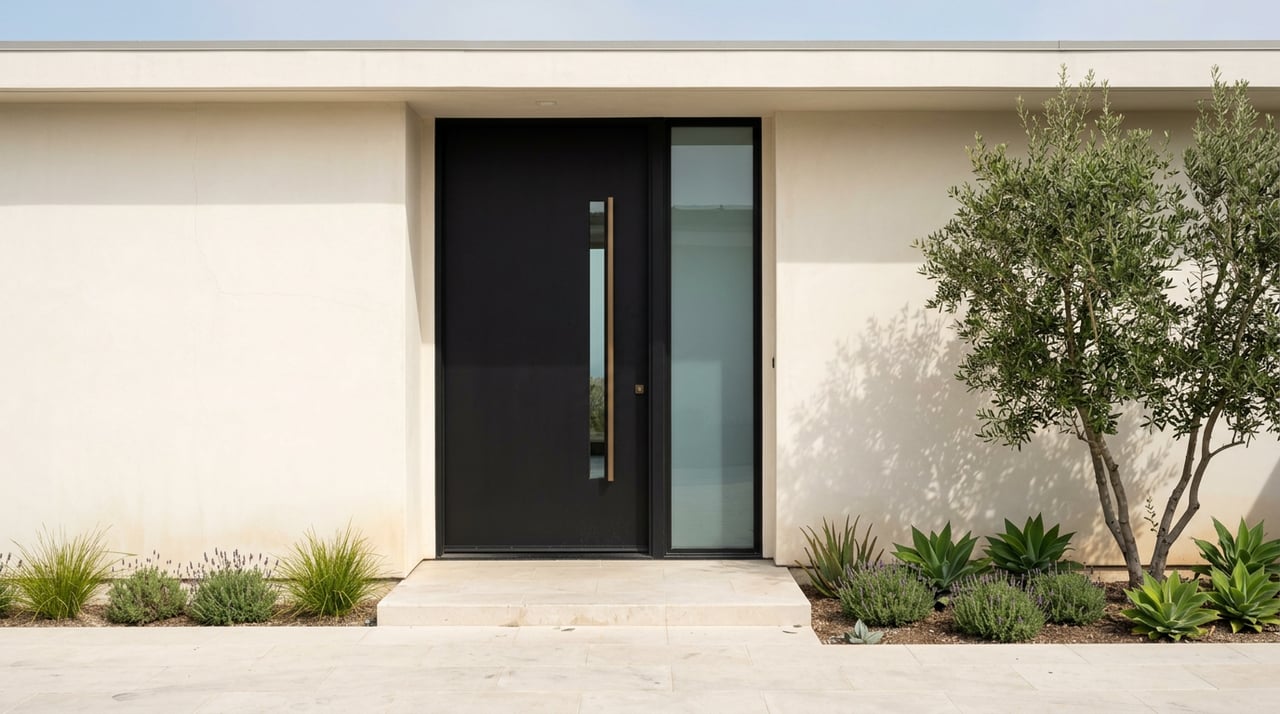
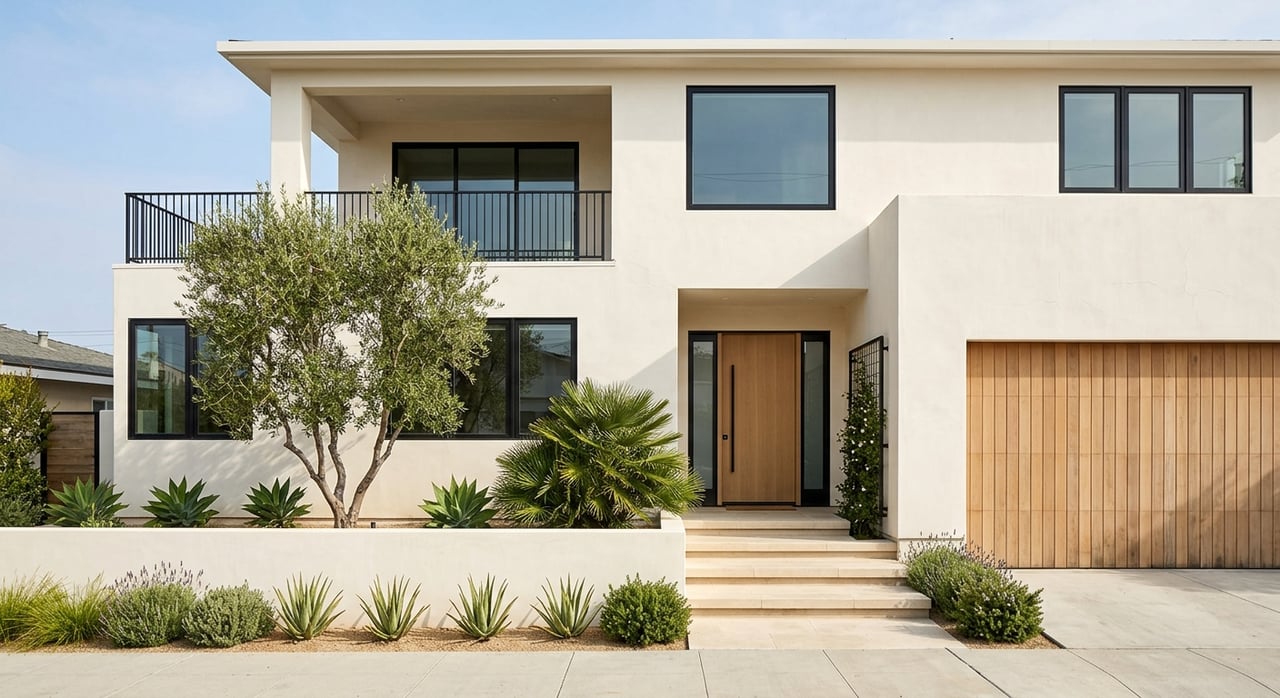
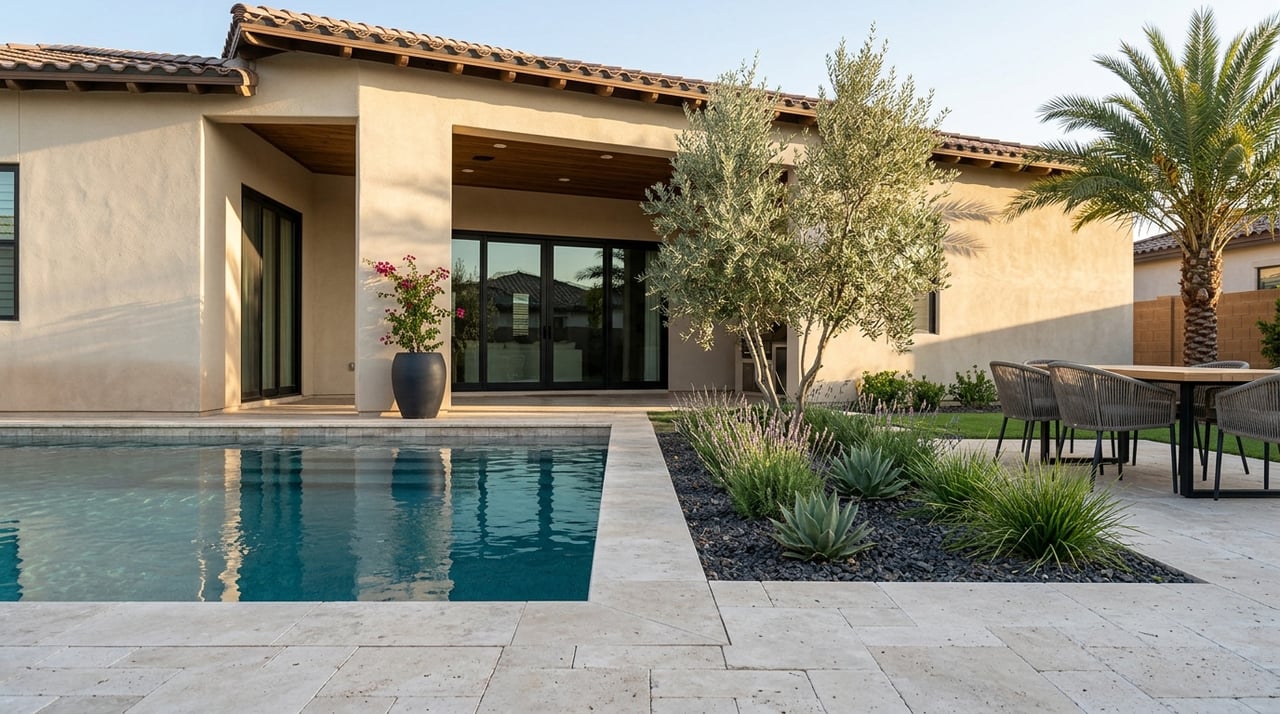
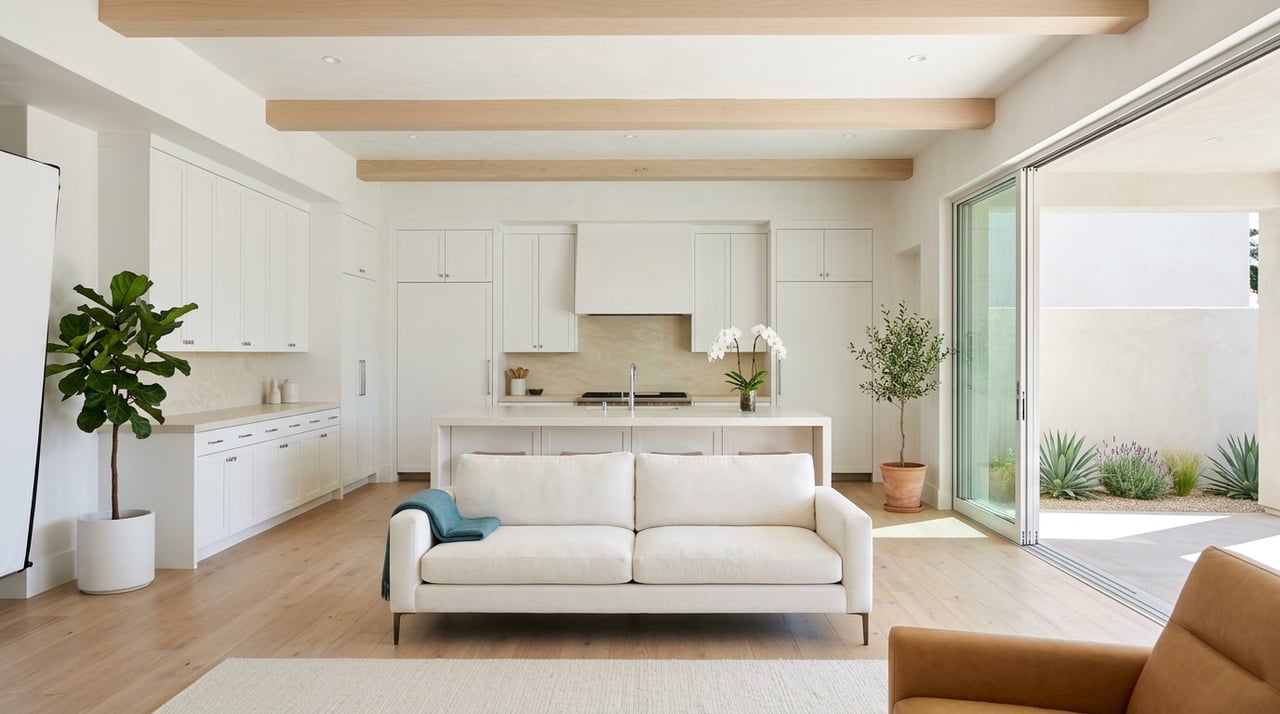
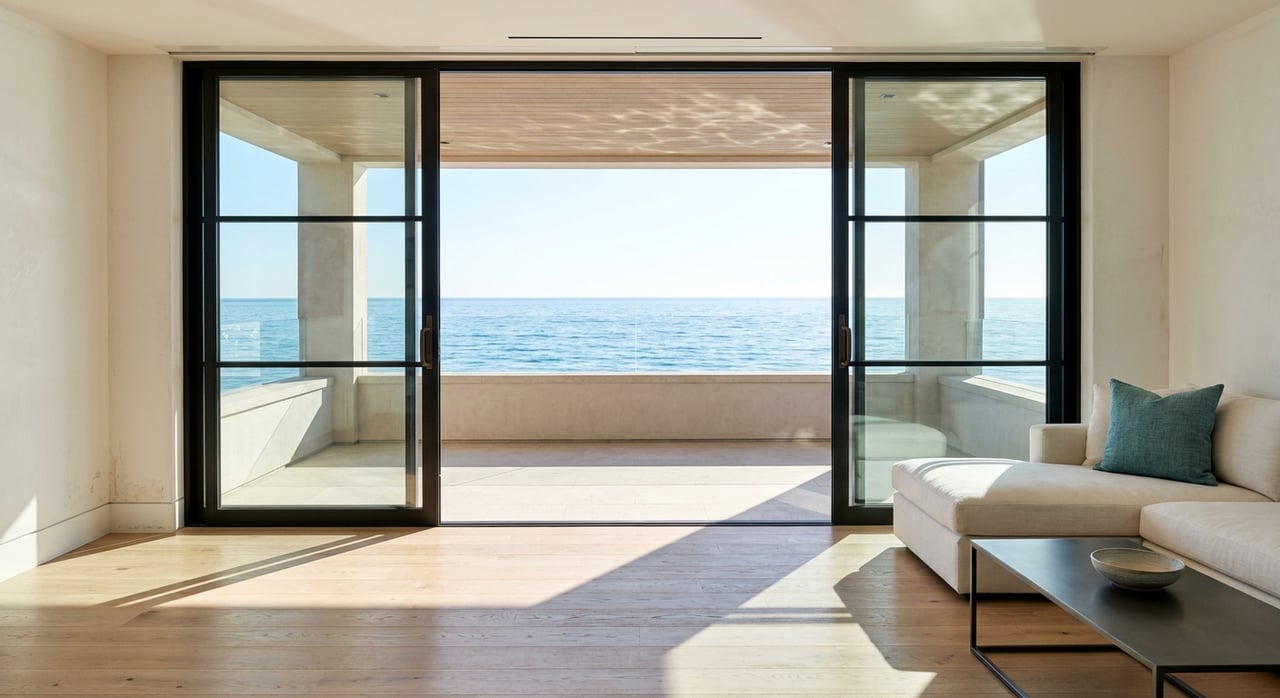
That is why many newer luxury homes in San Clemente are best described as coastal contemporary or soft modern. These homes often have cleaner lines, larger windows, open floor plans, and a more restrained material palette, but they still feel connected to the city rather than visually separate from it.
This approach lines up with broader design trends that continue to emphasize daylight, simple exteriors, low-maintenance materials, and indoor-outdoor living. In a market like San Clemente, that often translates into homes that feel bright, easy, and view-forward.
Why coastal contemporary appeals to today’s buyer
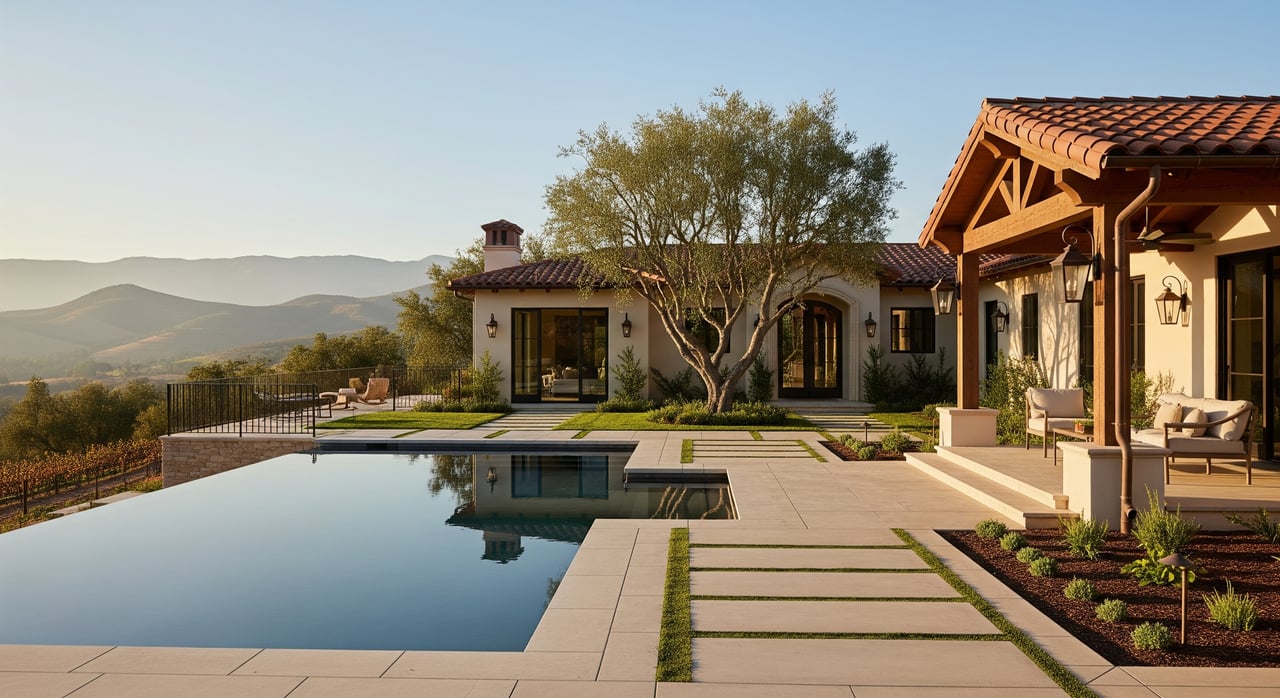
For many buyers, this style offers a resort-like feel without too much formality. Large glass openings, edited finishes, and seamless flow to patios or terraces can make a home feel calm, functional, and ready for everyday coastal living.
It also tends to photograph well, which matters in a luxury market where first impressions often happen online. Clean design, natural light, and outdoor spaces that feel like true extensions of the interior can create strong visual impact.
Mid-century and modernist influence still matters
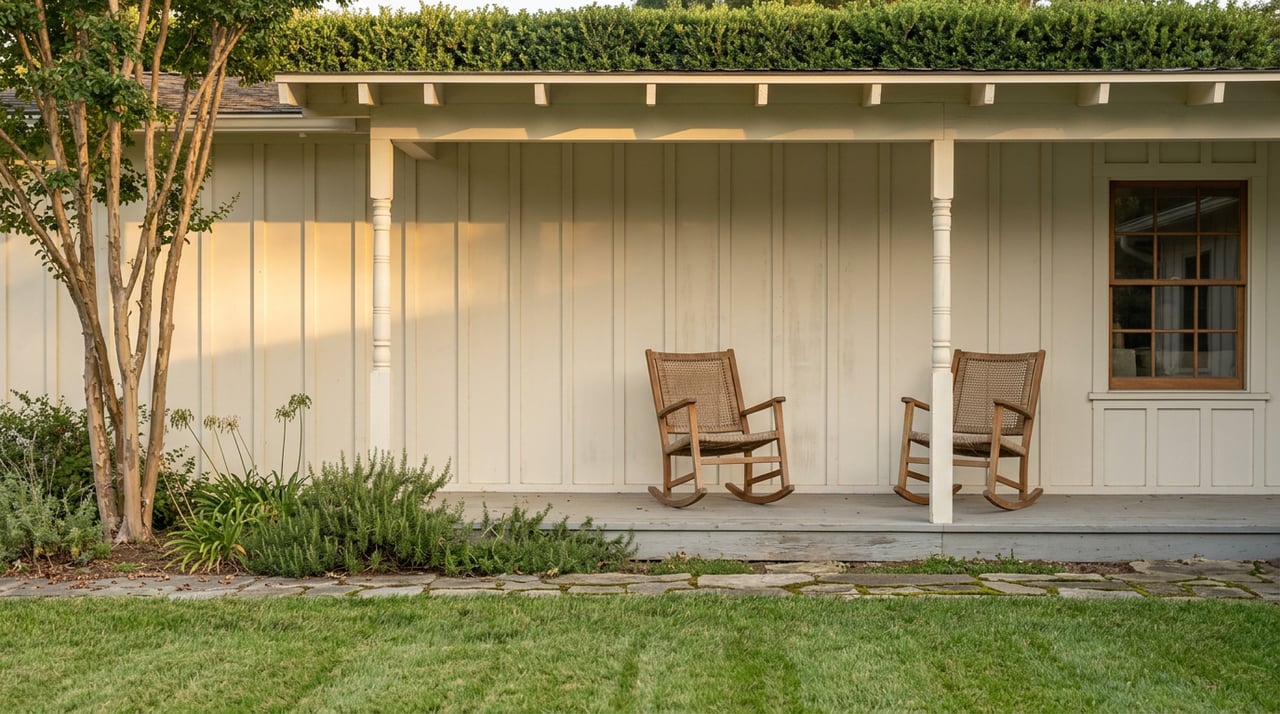
San Clemente is not limited to one architectural story. The city’s historic survey documents later mid-century modern and postwar development, along with buildings defined by flat roofs, flat wall planes, floor-to-ceiling glazing, multiple claddings, and geometric patterns.
In the luxury segment, mid-century influence often shows up in low horizontal profiles, long rooflines, broad glass openings, and a quieter relationship to the landscape. These homes can feel especially well suited to sloped or view-rich sites because they often open outward while keeping a relatively understated street presence.
For buyers who prefer architecture with a cleaner and more minimalist feel, this can be a compelling option. The design language supports light, openness, and a close connection to the natural setting.
Transitional styles are common in high-end homes
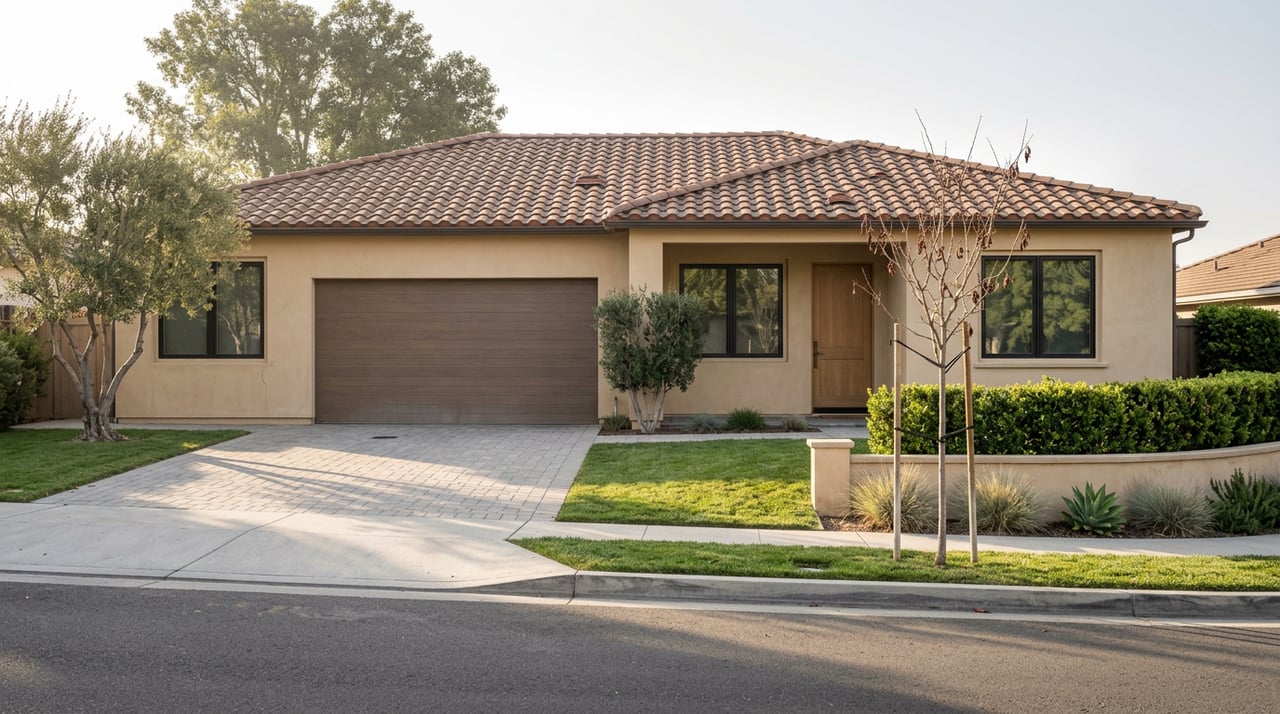
In San Clemente, many of the most appealing luxury homes do not fit neatly into a single style label. Instead, they blend elements in a way that feels rooted in the area while still meeting current expectations for comfort and design.
You might see Spanish-inspired massing paired with larger panes of glass, simpler interiors, reduced ornament, or newer materials. This kind of transitional approach works because the city recognizes that creativity and variety can still fit within the broader architectural tradition.
For buyers and sellers alike, the key is not whether a home is purely one style or another. The more important question is whether the home feels visually consistent, intentional, and responsive to its site.
How architecture shapes resale and presentation
In San Clemente, style is not just a design preference. It can also affect how a home lives, how it shows, and how buyers respond to it.
City guidelines place strong emphasis on compatibility with the site, preservation of public view corridors, thoughtful massing, and defined outdoor spaces such as courtyards, verandas, patios, roof terraces, and gardens. Those qualities often influence buyer perception because they affect privacy, natural light, entertaining flow, and the overall living experience.
For sellers, that creates a clear opportunity. The best presentation highlights not just finishes, but function. Buyers want to see how a home handles sunlight, transitions to outdoor living, frames views, and creates useful spaces for gathering or relaxing.
Staging by architectural style
Thoughtful staging should support the home’s design language rather than compete with it. In a market like San Clemente, that can make a meaningful difference in how polished and memorable a luxury listing feels.
Here is a simple way to think about it:
- Spanish Colonial Revival homes: highlight courtyards, arches, tile details, ironwork, and lush planting
- Coastal contemporary homes: keep the palette edited, bright, and airy with strong emphasis on light and views
- Mid-century-influenced homes: preserve clean horizontal lines, built-ins, and visual openness around glass and key sightlines
- Transitional homes: focus on consistency so the interior, exterior, and outdoor rooms feel like one complete story
This is where design-forward marketing becomes especially important. When a luxury home has a clear architectural identity, photography, staging, and visual storytelling should reinforce it at every step.
Outdoor living is central to San Clemente luxury
One of the strongest themes across San Clemente architecture is the importance of outdoor space. The city’s design guidance treats defined outdoor rooms as a fundamental principle, especially within the Spanish tradition.
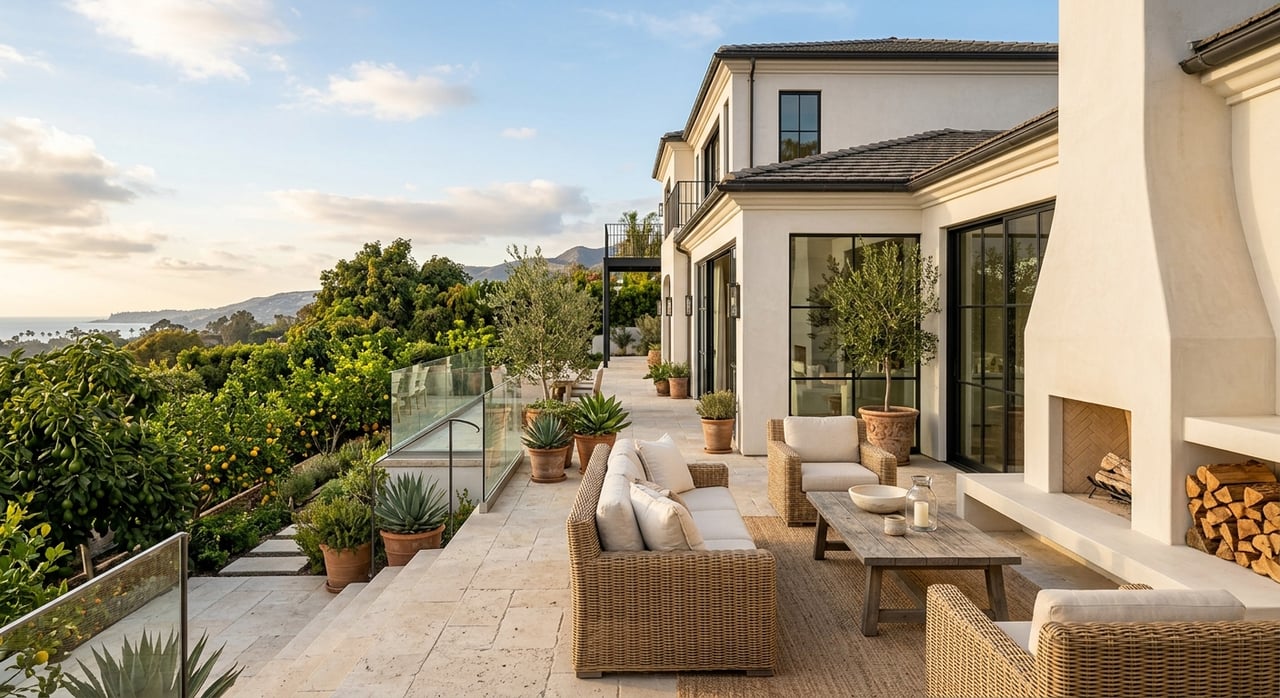
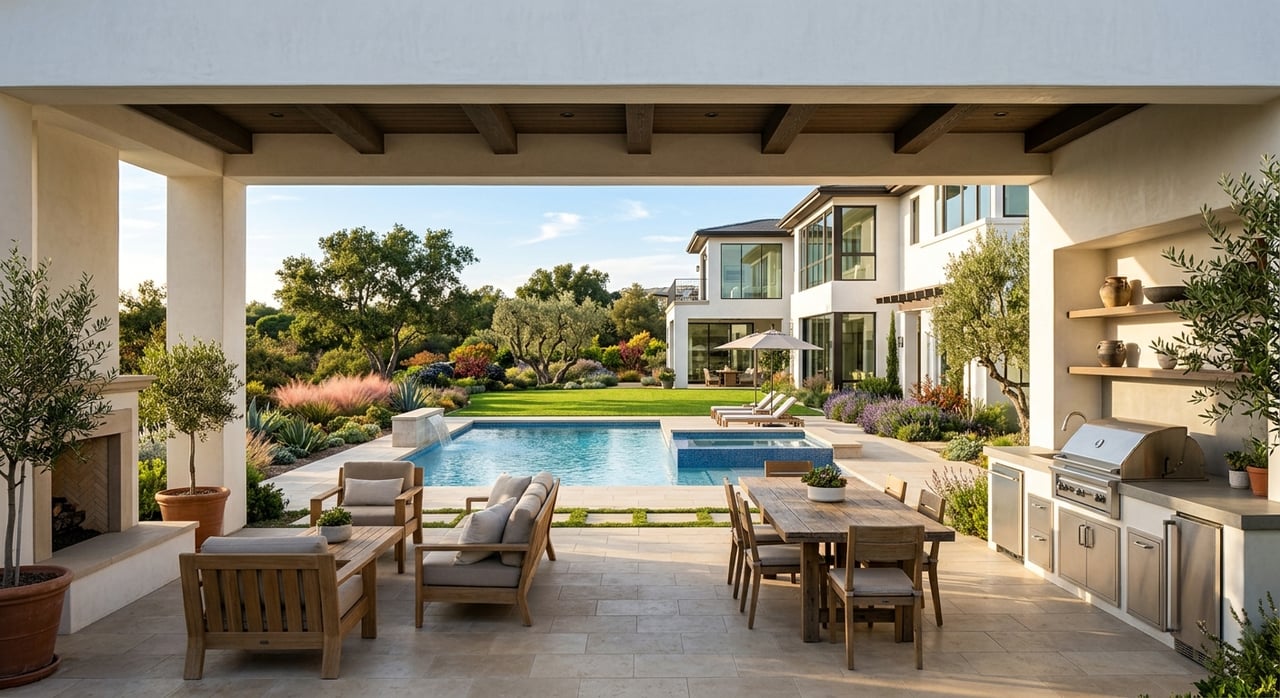
That matters because outdoor living is not just a lifestyle bonus in this market. It is often a core value driver. Courtyards, patios, verandas, roof terraces, and gardens can shape how a home feels day to day and how buyers assess its overall appeal.
In many luxury listings, the most persuasive images are the ones that show how interior and exterior spaces work together. A patio that feels connected to the main living area or a terrace that captures light and breeze can become one of the home’s strongest selling features.
Durability and timelessness matter on the coast
Luxury buyers often focus on beauty first, but long-term appeal also depends on practicality. Broader design trend data continue to show interest in durable, low-maintenance exterior materials, along with features that support daylight and outdoor living.
That is especially relevant in a coastal environment. In San Clemente, homes that feel timeless often pair strong design with materials and finishes that can age gracefully and remain visually consistent over time.
For sellers planning updates before listing, this can be a useful filter. Improvements that support the home’s architecture and hold up well visually may do more for marketability than trend-driven changes that feel disconnected from the property.
Design review and coastal planning can influence decisions
If you are buying, renovating, or preparing to sell a luxury home in San Clemente, it helps to know that architecture here is closely tied to local planning. The city has preservation goals for historically, architecturally, and culturally significant properties and areas.
Design review is particularly important for historically significant sites, properties within 300 feet of them, projects in the Architectural Overlay District, and certain larger developments. The city specifically identifies Spanish Colonial Revival districts such as the Del Mar Commercial District, Del Mar Extension, North Beach, and the Pier Bowl.
There is also a coastal planning layer. The city states that its Coastal Zone generally extends inland to Interstate 5, and coastal development review may apply in those areas. For buyers and owners of ocean-adjacent property, that can be an important part of the decision-making process.
What this means for buyers and sellers
If you are buying in San Clemente, pay attention to more than the finish level. Look at whether the home feels true to its site, whether the outdoor spaces are well defined, and whether the architecture feels coherent from the street to the terrace.
If you are selling, remember that buyers in this market often respond to a home’s full lifestyle narrative. The strongest listings usually show not just luxury, but also authenticity, flow, and a clear sense of place.
That is one reason presentation matters so much in San Clemente. A home with strong architectural character often benefits from staging, photography, and marketing that bring that character into focus and make it easier for buyers to understand the value at a glance.
If you are preparing to sell a luxury home in San Clemente or looking for a property with a style that truly fits your lifestyle, The Twinning Team can help you navigate the market with design-forward strategy, thoughtful presentation, and the kind of local insight that builds confidence from day one.
FAQs
What is the most common luxury home style in San Clemente?
- Spanish Colonial Revival is the defining local style, with features like whitewashed walls, red tile roofs, courtyards, balconies, and wrought-iron details.
Can modern architecture work in San Clemente luxury homes?
- Yes. Contemporary design can work well when it respects San Clemente’s architectural vocabulary, site context, and planning expectations.
Are mid-century homes part of San Clemente’s architecture?
- Yes. The city’s historic survey documents mid-century modern and postwar development as part of San Clemente’s built environment.
What features matter most for San Clemente luxury resale?
- Outdoor rooms, natural light, view orientation, durable materials, and a clear architectural story tend to be important in how a home is presented and perceived.
Do coastal and historic rules affect San Clemente luxury properties?
- Yes. Depending on the property and location, design review, historic preservation considerations, and coastal planning requirements may influence what can be built, updated, or reviewed.