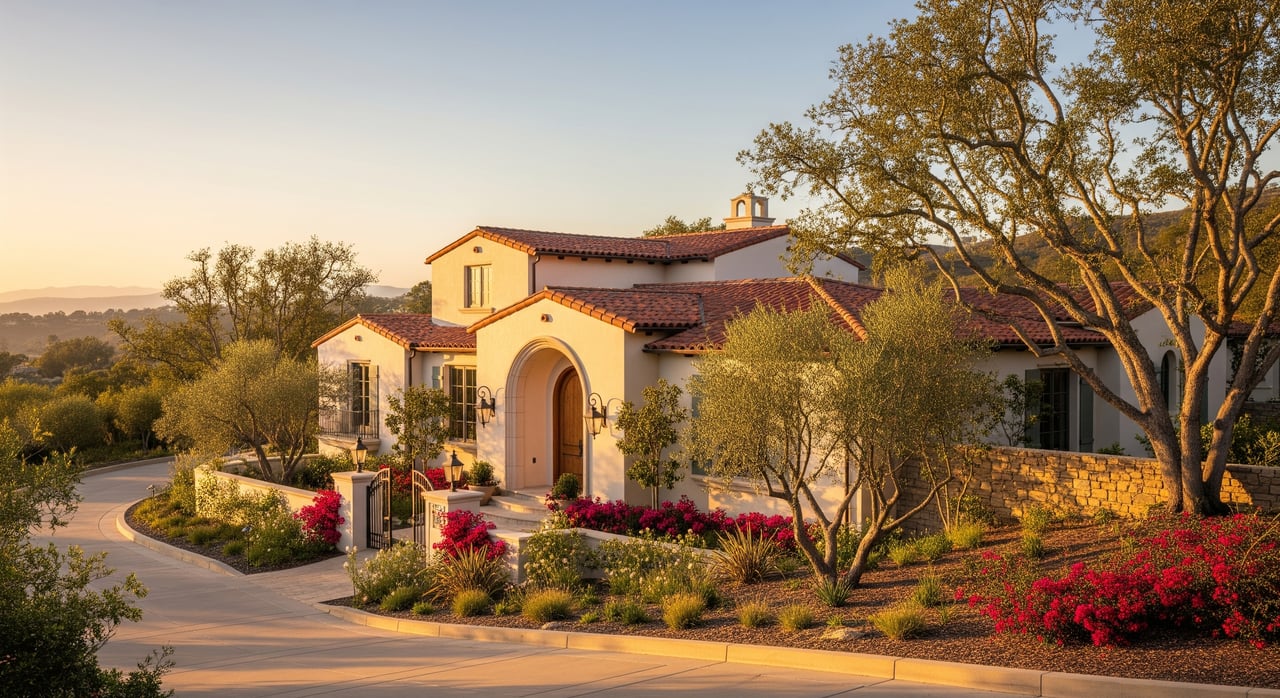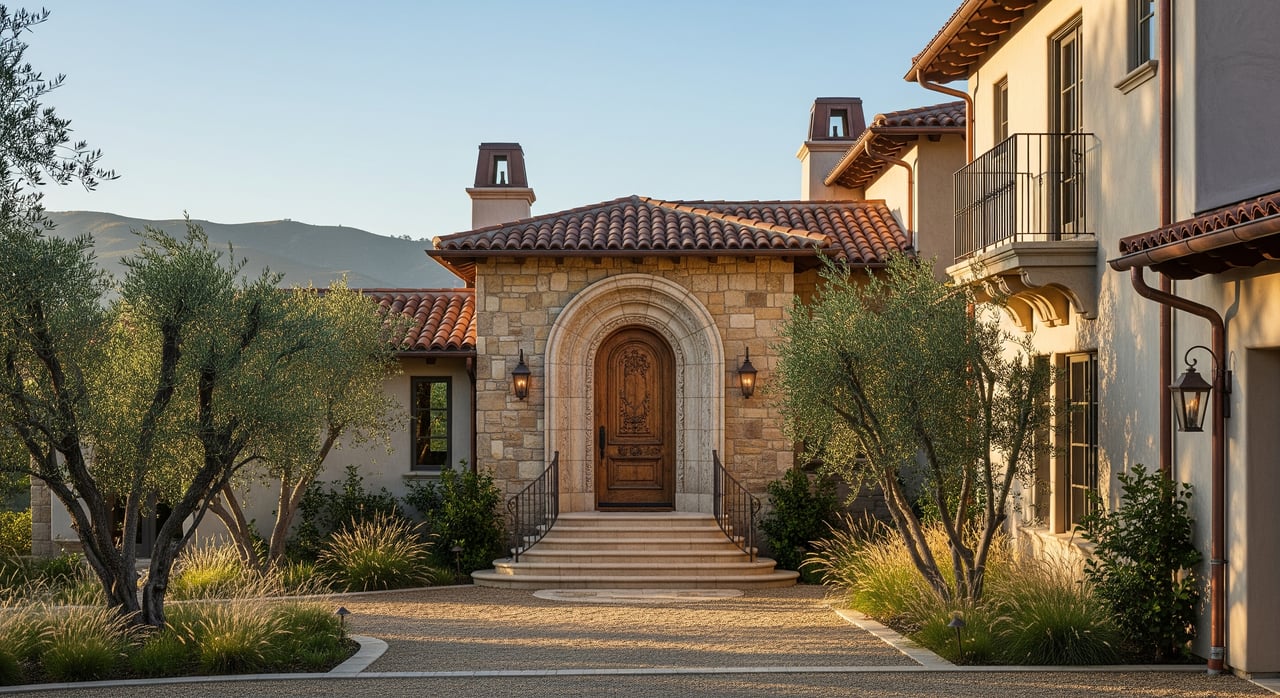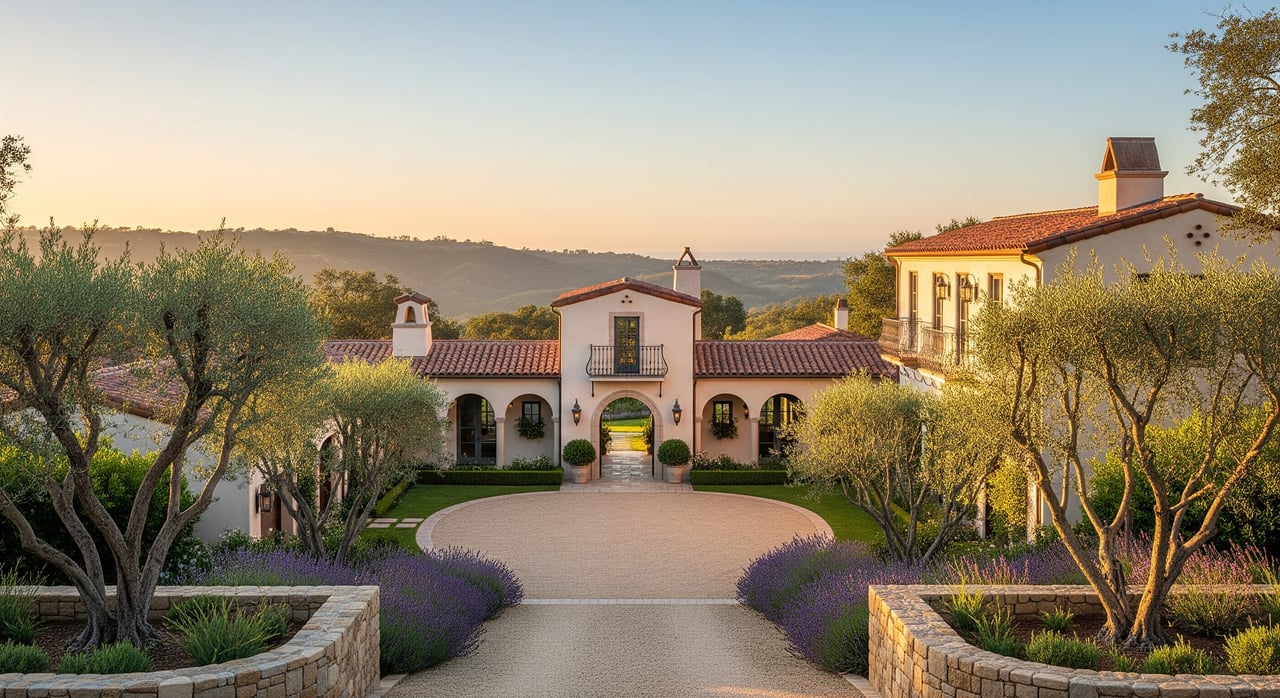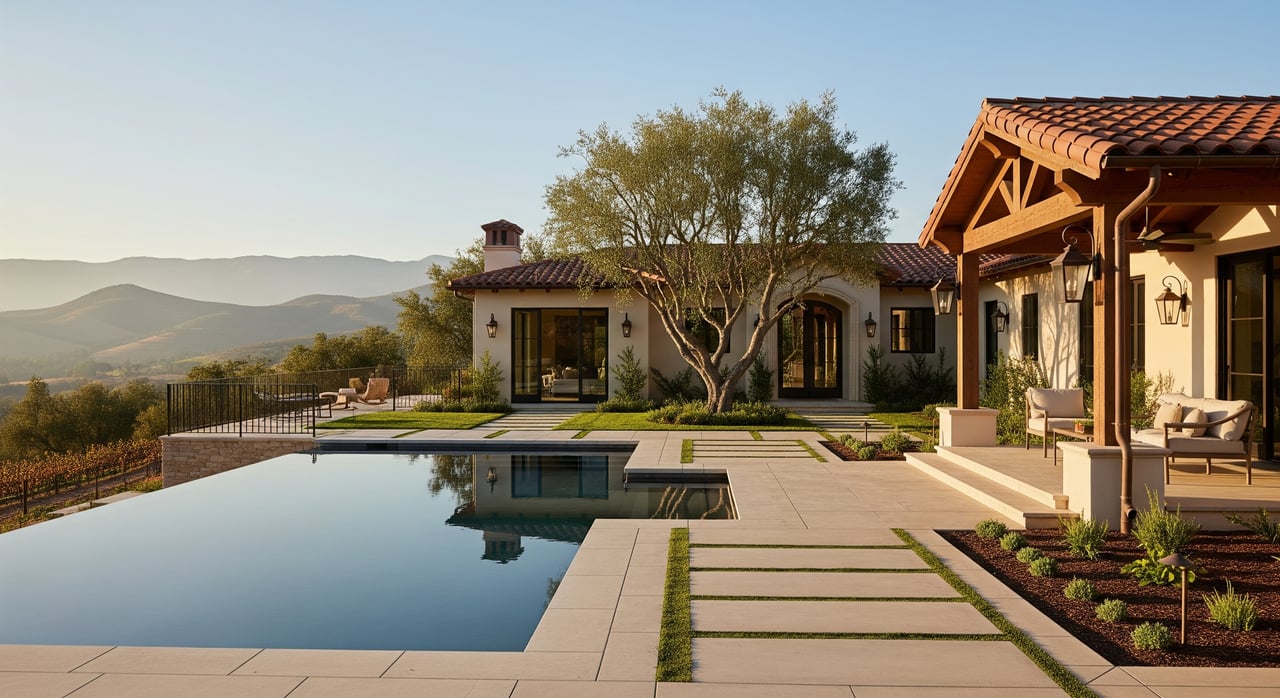
If you have ever wondered why one Rancho Santa Fe estate sells quickly while a similar home sits for months, the answer is often the market cycle, not just the property itself. In a small luxury market, timing, buyer mix, and pricing discipline can change results fast. When you understand how Rancho Santa Fe’s cycle works, you can make smarter decisions about list price, negotiation strategy, and timing. Let’s dive in.
Rancho Santa Fe Moves Differently
Rancho Santa Fe is not a broad, high-volume suburban market. It is a thin luxury micro-market where a small number of sales can shift the numbers in a meaningful way. That matters because headline trends can look dramatic even when they are being shaped by just a few transactions.
According to Data Commons, Rancho Santa Fe had a 2023 population of 2,574, a median age of 53.7, and a median household income of $236,429. The same source and related county ranking data also show a large concentration of luxury housing, including 682 housing units valued above $2 million. In practical terms, that means fewer true comparable sales and more sensitivity to details like privacy, lot utility, architecture, condition, and presentation.
For you as a seller or buyer, this creates a simple reality: pricing strategy in Rancho Santa Fe has to reflect the current cycle, not just broad San Diego trends.
Why Market Cycles Affect Pricing
In any market, prices respond to supply and demand. In Rancho Santa Fe, that relationship is amplified because inventory is limited and buyer pools are narrower. A home can perform very differently depending on whether the active buyer pool is deep, cautious, cash-heavy, or financing-sensitive.
That is why the same house can produce different outcomes in different windows. In one cycle, a well-prepared home may attract fast interest and strong terms. In another, the same property may need more time, sharper pricing, and more negotiation flexibility.
Luxury also does not always move in lockstep with the broader market. Redfin reported that U.S. luxury home prices rose 5.5% year over year in October 2025, about three times the pace of non-luxury homes. That supports the idea that high-end pricing can follow its own cycle, especially in a place as specialized as Rancho Santa Fe.
What the Latest Rancho Santa Fe Data Shows
The clearest way to understand today’s cycle is to separate active-listing conditions from closed-sale conditions. Those are related, but they are not the same thing. One tells you what sellers are asking now, and the other tells you what buyers actually agreed to pay.
As of March 2026, Realtor.com’s ZIP-level snapshot for 92067 showed 104 active listings, a median list price of $6.19 million, and a median of 75 days on market. Active listings were also 15.79% lower than a year earlier.
Meanwhile, Redfin’s March 2026 Rancho Santa Fe market data showed a median sale price of $3.225 million, 145 days on market, and only 5 homes sold. Redfin also reported that homes sold for 95.7% of list price, 20% sold above list, and 26.3% had price drops.
These numbers are not contradictory. They show a market where asking prices, competition, and actual buyer absorption are not perfectly aligned. That gap is exactly why pricing strategy matters so much.
List Price and Sale Price Are Different Signals
One of the biggest mistakes in luxury pricing is treating active listing prices like proof of value. Active listings tell you what sellers hope to achieve. Closed sales tell you what buyers recently accepted in real transactions.
In a small market like Rancho Santa Fe, it is easy to get pulled upward by a few ambitious listings. But when homes are selling at 95.7% of list price on average and more than a quarter are taking price drops, overpricing can create a costly chain reaction. You can lose early momentum, increase days on market, and end up negotiating from a weaker position.
If you are selling, your pricing strategy should be anchored first to the most credible recent closed comps, then adjusted for your home’s specific strengths. If you are buying, this same gap can reveal where negotiating room may exist.
Days on Market Matters More Than Many Sellers Think
In Rancho Santa Fe, days on market is not just a timing metric. It is a pricing signal. When the market shows a long average marketing time, buyers often become more selective and more comfortable negotiating.
The current data points to exactly that kind of environment. Active inventory is lower year over year, but homes are still taking time to sell. That tells you the issue is not just how many listings exist. It is how quickly qualified buyers are absorbing them.
This is why the first few weeks on market are so important. The research suggests sellers should think in terms of a launch price, not a test-the-market price. In a selective luxury cycle, a stale launch can widen the eventual discount between the original ask and final sale.
At the same time, there is still opportunity for standout properties. Redfin notes that Rancho Santa Fe hot homes can go pending in around 20 days, often near list price. That usually points to the homes that are best aligned on presentation, pricing, and buyer expectations from day one.
Financing Shapes Luxury Negotiations
Even in a high-end market, financing still affects pricing strategy. In San Diego County, the 2026 conforming loan limit is $1,104,000 according to FHFA. Because many Rancho Santa Fe transactions exceed that threshold, jumbo loans and cash purchases are common factors in negotiations.
Freddie Mac reported that the 30-year fixed rate averaged 6.30% on April 16, 2026. At the same time, the National Association of Realtors found in its 2025 Profile of Home Buyers and Sellers that repeat buyers had a 30% all-cash share, and older buyers made up a significant portion of the market, with baby boomers accounting for 42% of buyers nationwide. You can see why this matters in Rancho Santa Fe, where experienced and equity-rich buyers are likely to play an outsized role.
For sellers, that means pricing should account for the fact that some buyers will be cash-ready while others will face jumbo underwriting and appraisal scrutiny. For buyers, it means strong proof of funds or a solid jumbo pre-approval can strengthen your position quickly.
Buyer Mix Changes the Cycle
Not every market cycle is driven by inventory alone. Buyer composition matters too. Rancho Santa Fe appears to draw a buyer pool that is more experienced, more localized, and more lifestyle-driven than entry-level suburban markets.
Redfin’s migration-search data shows that 74% of homebuyers searched to stay within the metro, while only 2% searched from outside metros, with Los Angeles as the top origin market. That suggests many buyers already understand the regional market and may compare homes carefully rather than rush.
For pricing strategy, that means you are often not selling to an uninformed audience. You are pricing for buyers who know the tradeoffs, notice condition and design, and may have the flexibility to wait for the right fit.
How Seasonality Changes Leverage
Spring is important, but it is not automatically the best answer for every seller or buyer. In Rancho Santa Fe, seasonality should be viewed as one factor within a bigger cycle that includes inventory, financing, and buyer readiness.
Realtor.com’s 2025 best time to sell report identified March 23, 2025, as San Diego’s best week to list based on inventory, new listings, list prices, market pace, views, and price reductions. That supports the idea that spring can offer stronger launch conditions.
But buyers may gain leverage later in the year. Realtor.com’s 2025 best time to buy report found that the best week to buy in the San Diego-Chula Vista-Carlsbad metro was Oct. 12 through Oct. 18, 2025. Historically, that week had 17.7% more active listings, 41.1% fewer views per property than peak, 12 more days on market than peak, and listing prices 6.5% below seasonal highs.
So no, spring is not always better than fall. If you are selling, spring may improve exposure, but only if your home is priced and prepared correctly. If you are buying, fall may create more room to negotiate.
Pricing by Market Phase
The most effective Rancho Santa Fe pricing strategy is to match your plan to the phase of the market you are actually in.
Softening or Balanced Market
In a softening or balanced cycle, anchor your list price to the most reliable closed sales, not the most optimistic active listings. Buyers usually have more time, more options, and more confidence to negotiate.
In this phase, a realistic list price can protect your momentum and reduce the chance of later price cuts. That is often better for your final outcome than aiming high and chasing the market down.
Exceptional Home Window
If your home is especially well-prepared and aligned with current demand, the first 14 to 21 days matter most. That is when fresh inventory gets the most attention and when serious buyers are most likely to act without assuming there is hidden weakness.
This is where elevated presentation can have real value. In a selective market, buyers often respond strongest to homes that feel complete, intentional, and market-ready from the start.
Financing-Sensitive Cycle
When rates are elevated or jumbo financing plays a bigger role, qualification becomes part of strategy. Sellers benefit from confirming proof of funds or strong pre-approval early. Buyers benefit from showing financial readiness up front.
This can help both sides avoid delays, appraisal surprises, and renegotiation pressure later in escrow.
What Sellers Should Do Now
If you are considering selling in Rancho Santa Fe, the current cycle calls for discipline more than guesswork. Pricing should reflect today’s buyer pool, not last year’s headlines or a neighbor’s aspirational list price.
A strong seller strategy usually includes:
- Reviewing the most relevant recent closed sales
- Comparing your home honestly against active competition
- Setting a launch price designed to attract qualified buyers early
- Preparing for negotiation around terms, not just headline price
- Presenting the property at a level that supports luxury expectations
In a market where lot quality, privacy, architecture, and condition can sharply affect results, thoughtful preparation is not extra. It is part of pricing.
What Buyers Should Watch Closely
If you are buying in Rancho Santa Fe, this market rewards patience and precision. A lower inventory count does not always mean every listing is moving quickly or commanding top dollar.
Pay close attention to how long a property has been on the market, whether it has had price reductions, and how it compares with recent closed sales. In a market where asking prices and sale prices can diverge, those details can tell you where your leverage is strongest.
It also helps to be ready to move when a standout home appears. In a thin luxury market, the best homes may still attract quick action even when the broader pace feels slow.
The Bottom Line on Rancho Santa Fe Pricing
Rancho Santa Fe luxury pricing is really about cycle management. The right strategy depends on who is buying now, how inventory is being absorbed, how financing affects the deal pool, and whether your home is entering the market in a strong or selective window.
That is why the same property can produce very different outcomes in different moments. In this market, success usually comes from matching price, timing, presentation, and buyer expectations from the start.
If you are preparing to sell a luxury property or looking for guidance on buying in Rancho Santa Fe, The Twinning Team brings a design-forward, transparent approach built for high-value homes and strategic decision-making.
FAQs
How do Rancho Santa Fe market cycles affect home pricing?
- Rancho Santa Fe market cycles affect pricing by changing buyer demand, inventory absorption, negotiation leverage, and the gap between asking prices and actual closed-sale prices.
Why can the same Rancho Santa Fe home sell differently at different times?
- The same Rancho Santa Fe home can sell differently in different windows because buyer mix, financing conditions, seasonal timing, and competing inventory all change over time.
What is the difference between list price and sale price in Rancho Santa Fe?
- List price shows what a seller is asking, while sale price shows what a buyer actually agreed to pay, which is why closed sales are usually more useful for pricing strategy.
Is spring always the best time to sell a Rancho Santa Fe luxury home?
- Spring can improve exposure, but it is not always the best option because pricing, preparation, current competition, and buyer demand may create better or weaker conditions in other seasons.
What should Rancho Santa Fe sellers focus on in a slower luxury market?
- Rancho Santa Fe sellers should focus on credible closed comps, strong launch pricing, high-level presentation, and buyer qualification rather than testing the market with an aspirational price.
What should Rancho Santa Fe buyers watch when evaluating negotiating power?
- Rancho Santa Fe buyers should watch days on market, price reductions, recent closed sales, and proof of seller motivation to understand where they may have room to negotiate.