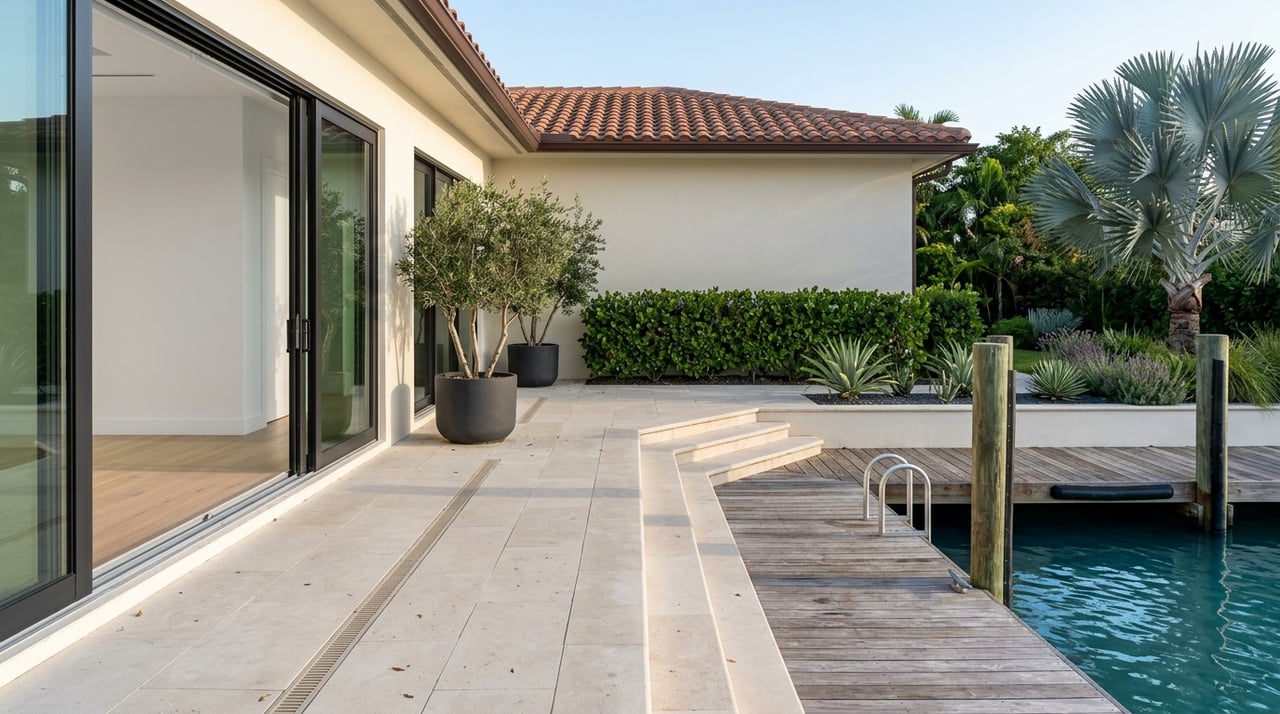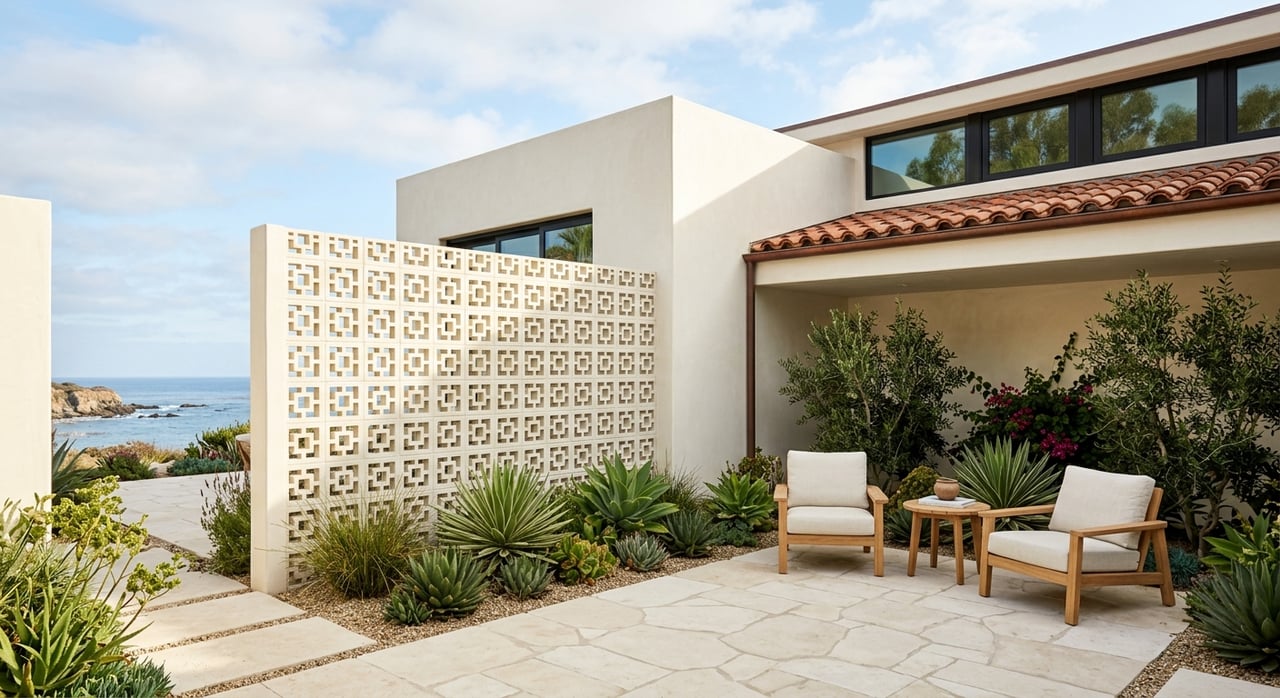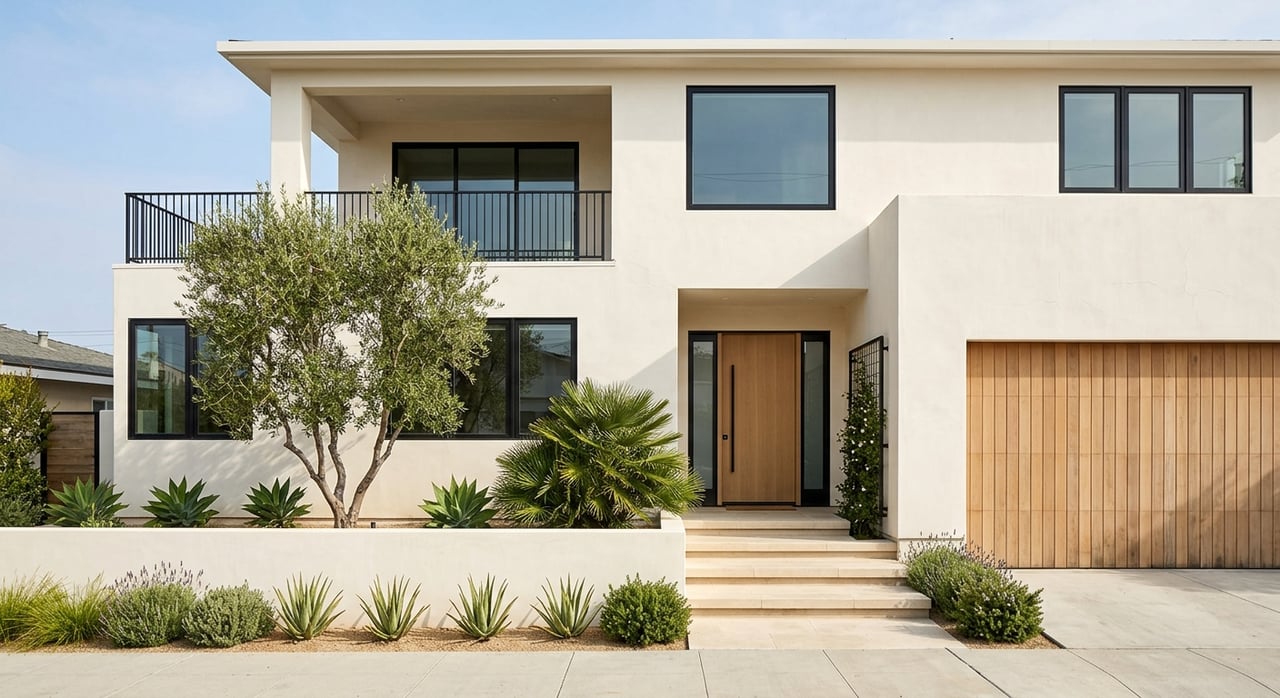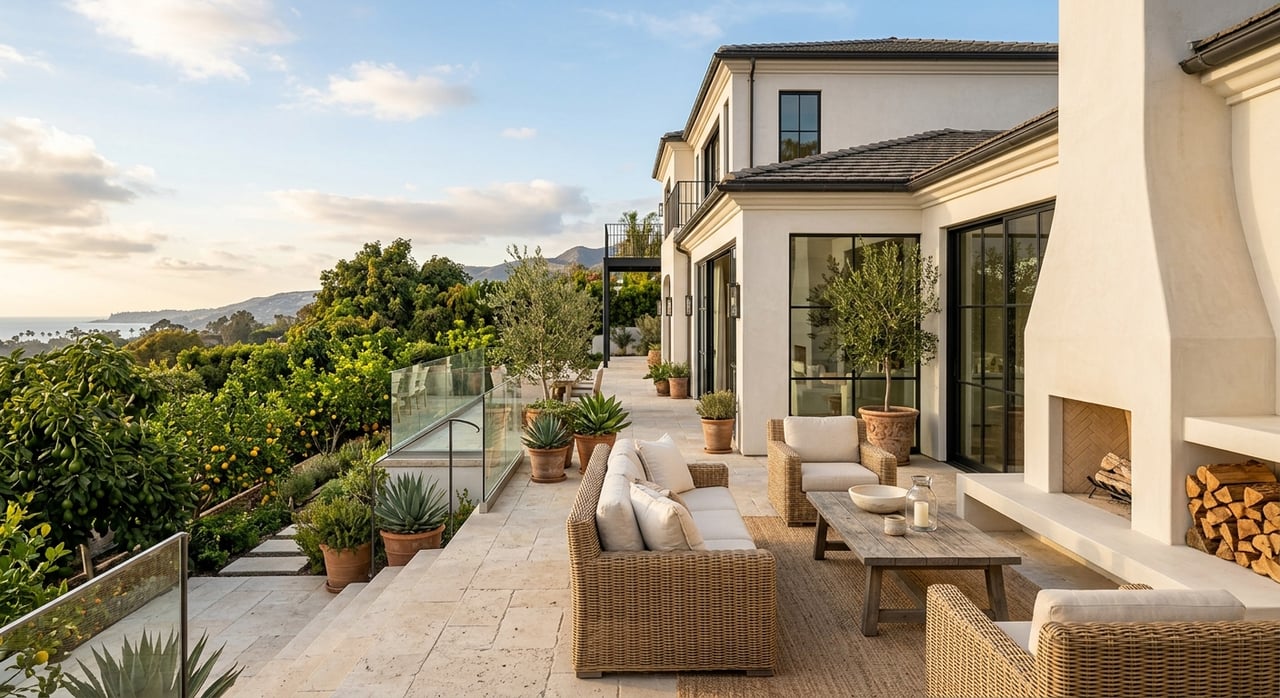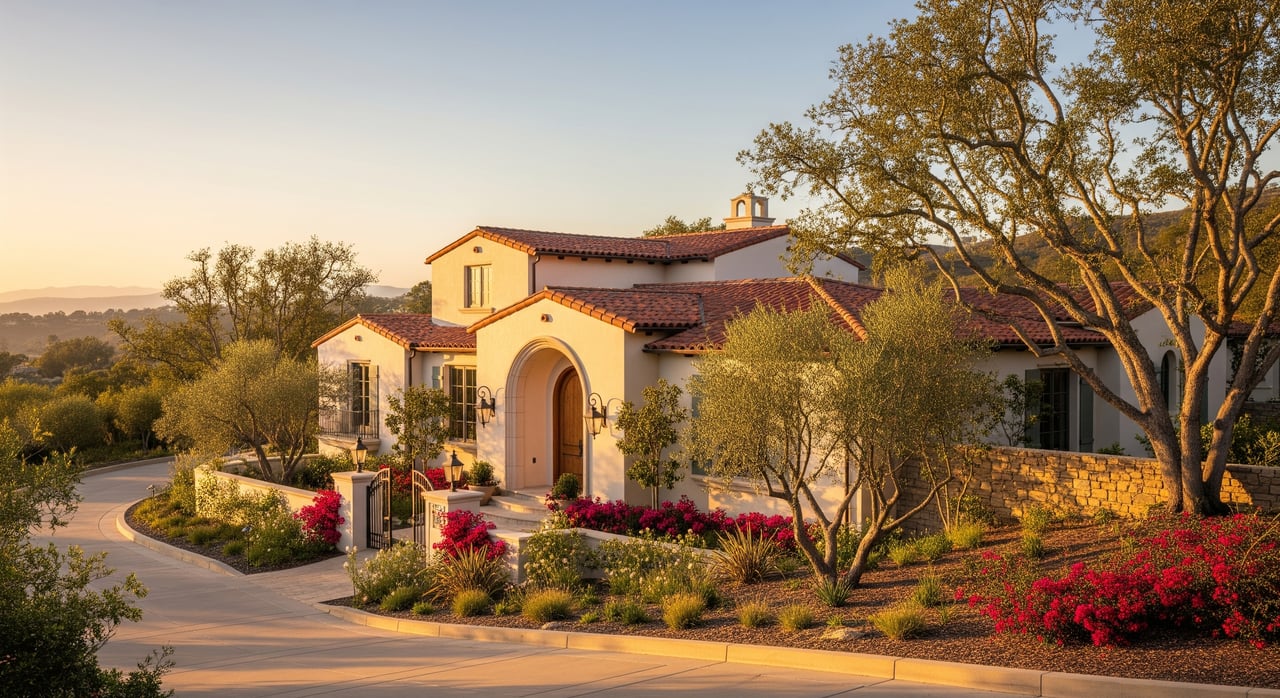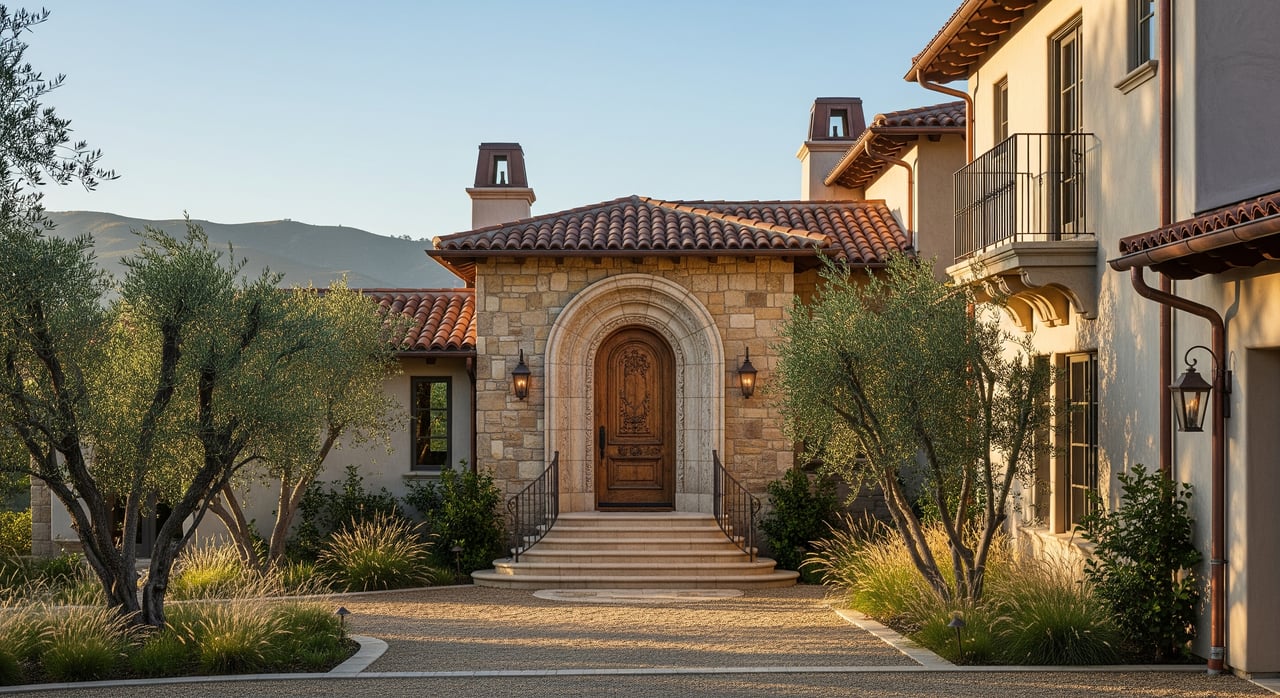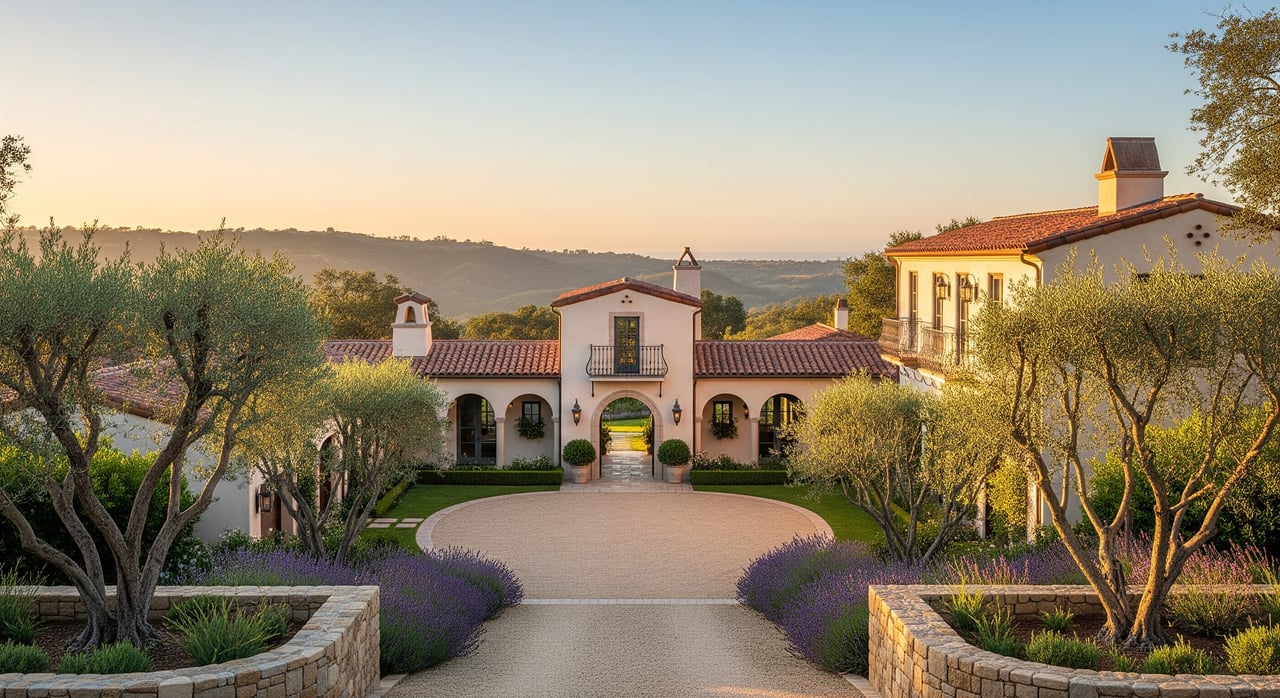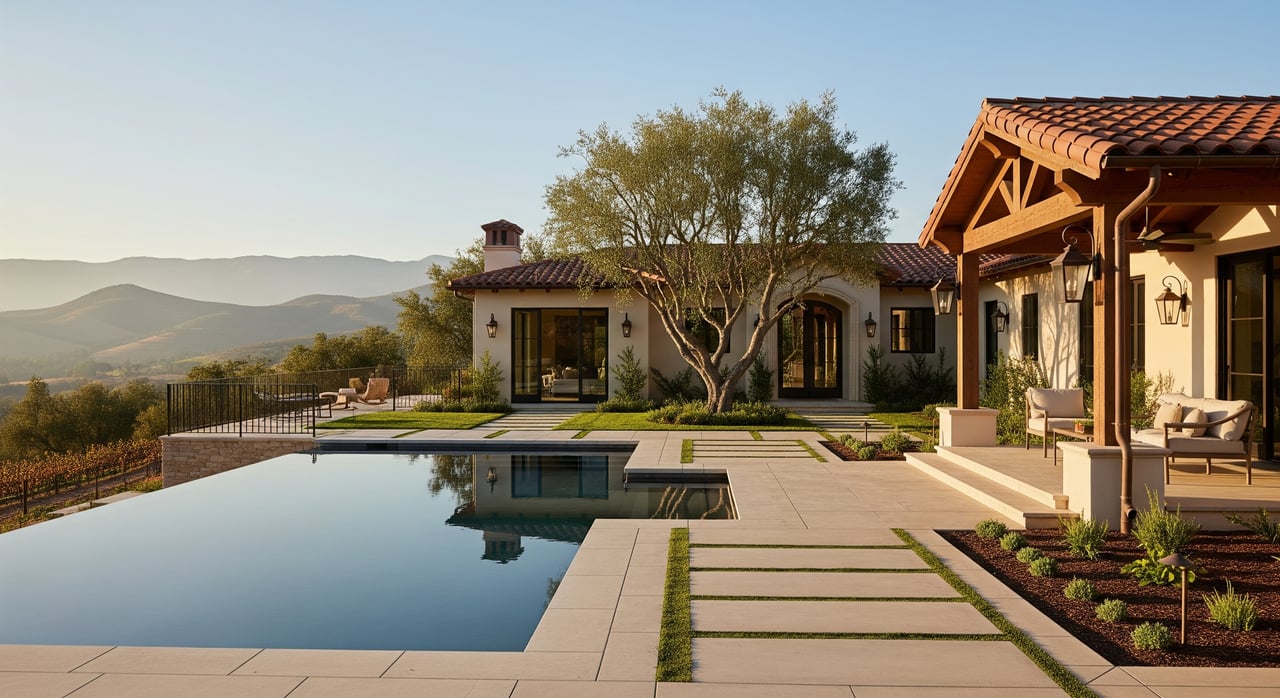
Picture your morning starting with mist over rolling hills and a few hot air balloons on the horizon. By lunch, you can be tasting a crisp white at a nearby winery, and by late afternoon you are home on the patio as the valley cools. If you are weighing a move to Temecula’s wine country, you want both the romance and the real‑world details. In this guide, you will find a clear look at neighborhoods, home types, daily rhythms, commute realities, and practical considerations to help you decide. Let’s dive in.
Temecula wine country at a glance
- Temecula Valley is a designated American Viticultural Area covering about 33,000 acres with a winery count often reported in the mid 40s to around 50. You can explore the association’s current map through the Temecula Valley Winegrowers Association.
- The landscape is mixed. You will see vines, equestrian properties, citrus, and plenty of open space rather than a continuous blanket of grapes.
- The climate is Mediterranean, with warm dry summers, mild wet winters, and roughly 10 to 15 inches of rain per year. Warm afternoons and cooler nights shape both vineyard life and comfortable evenings at home. See a simple summary at StatsClimat.
- The City of Temecula counted about 110,000 residents in the 2020 census, and recent estimates are higher. You can verify current figures on U.S. Census QuickFacts.
- Housing values vary by neighborhood and property type, with recent trackers showing a broad city snapshot around the upper six to low seven figures. A recent market look placed the citywide index near 750,000 dollars in early 2026. Always check the latest numbers when you are ready to act.
- Regional access is a draw. Temecula sits about 60 miles north of San Diego and roughly 80 to 90 miles southeast of Los Angeles. Drive times vary with I‑15 traffic.
Where you will live: neighborhoods and homes
Custom acreage and equestrian estates
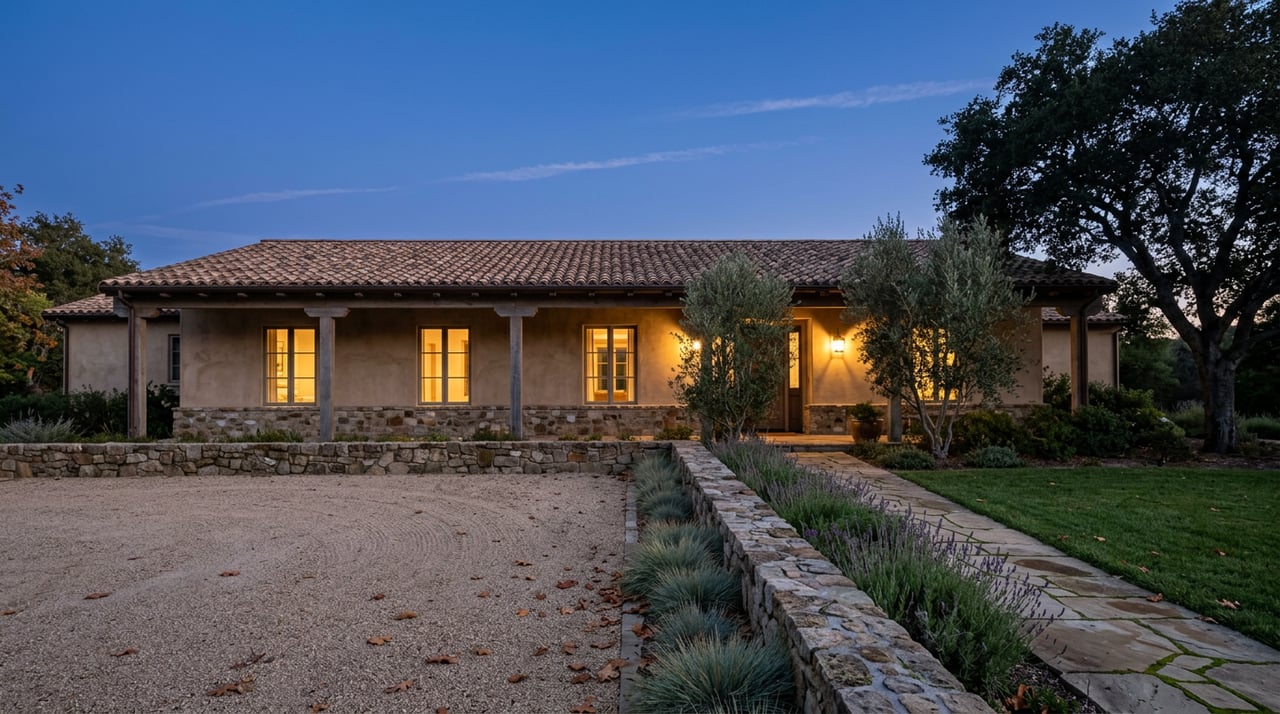
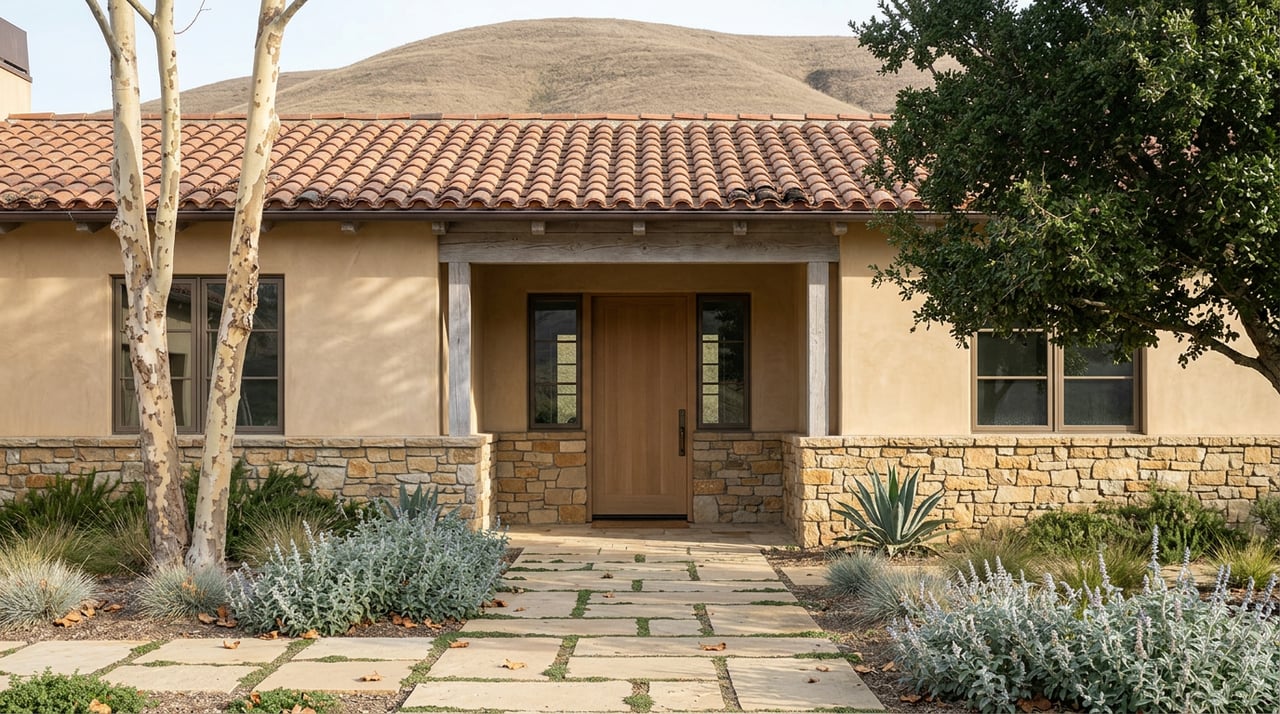
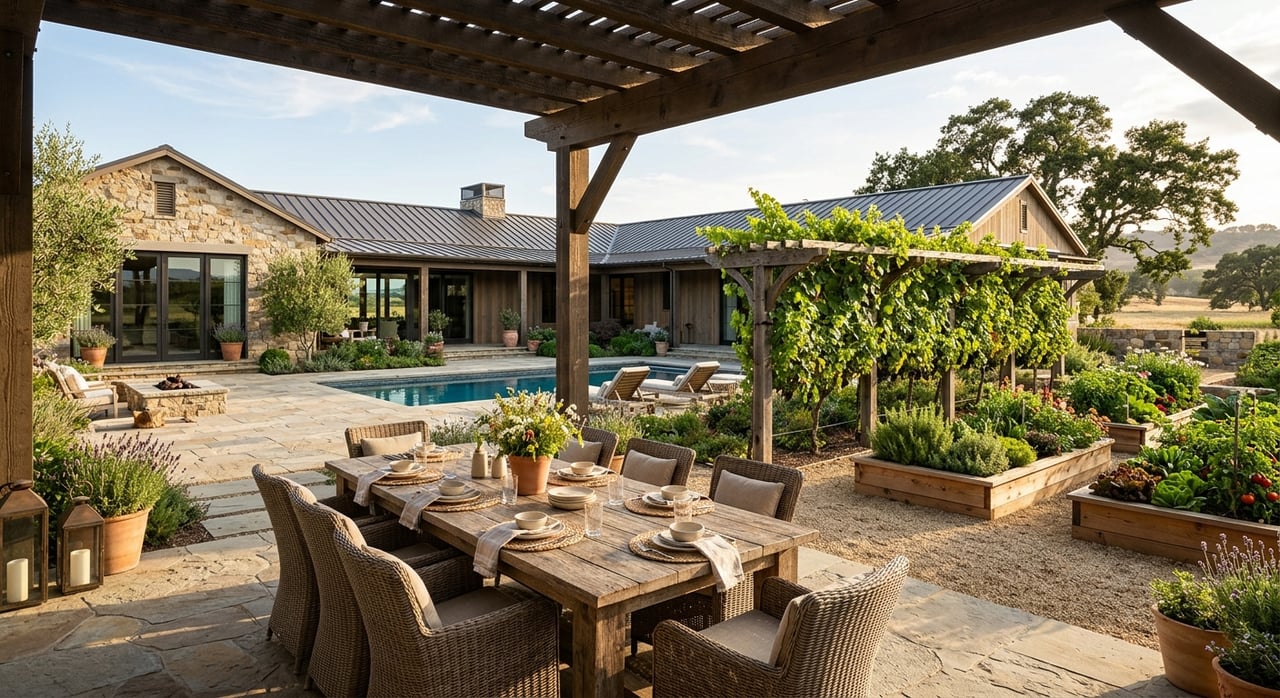
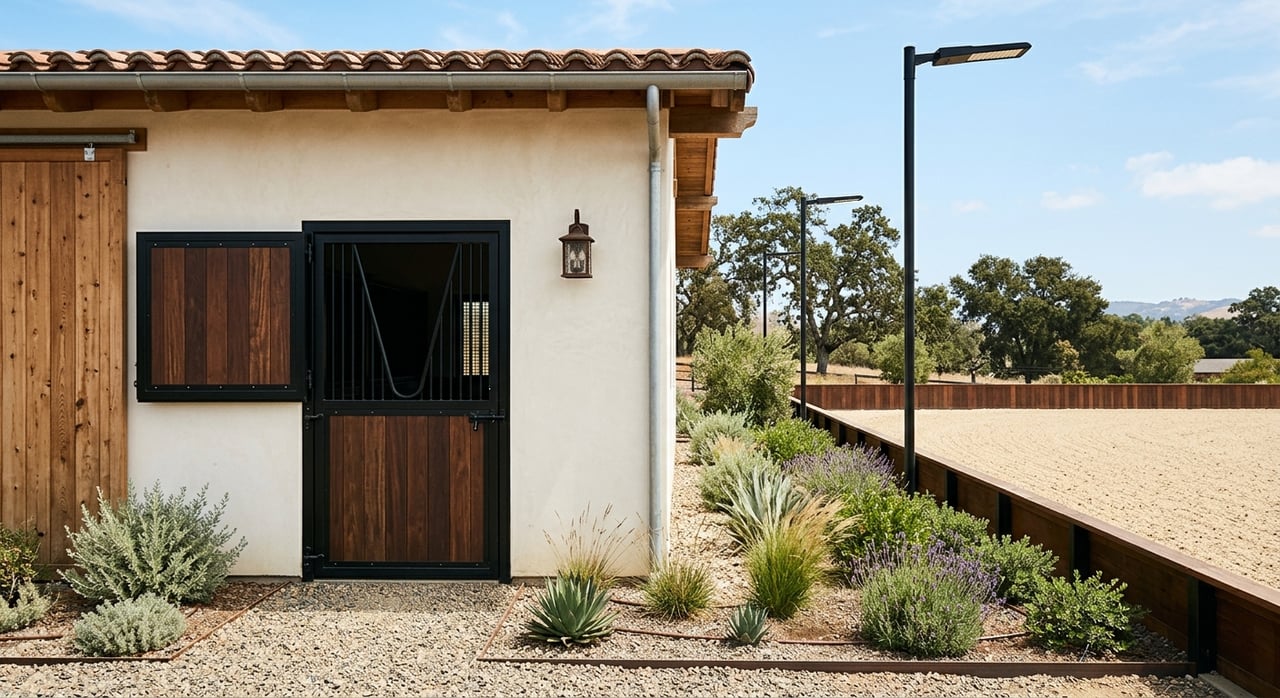
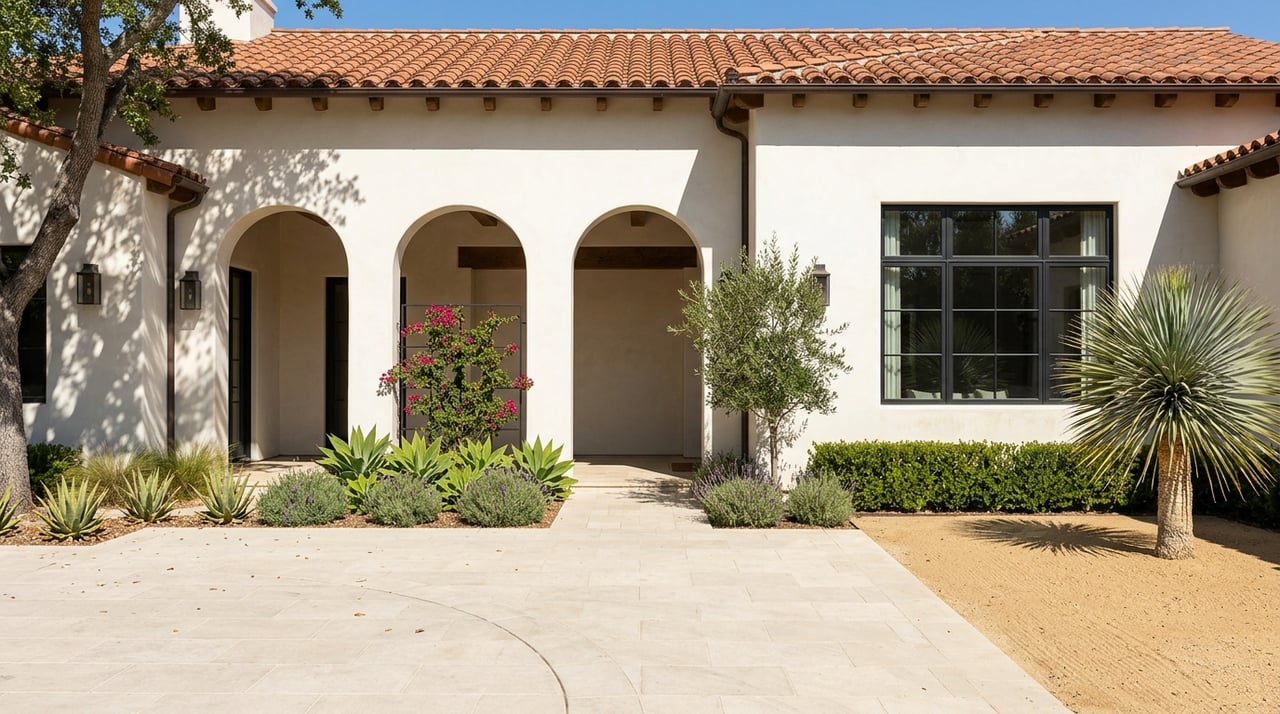
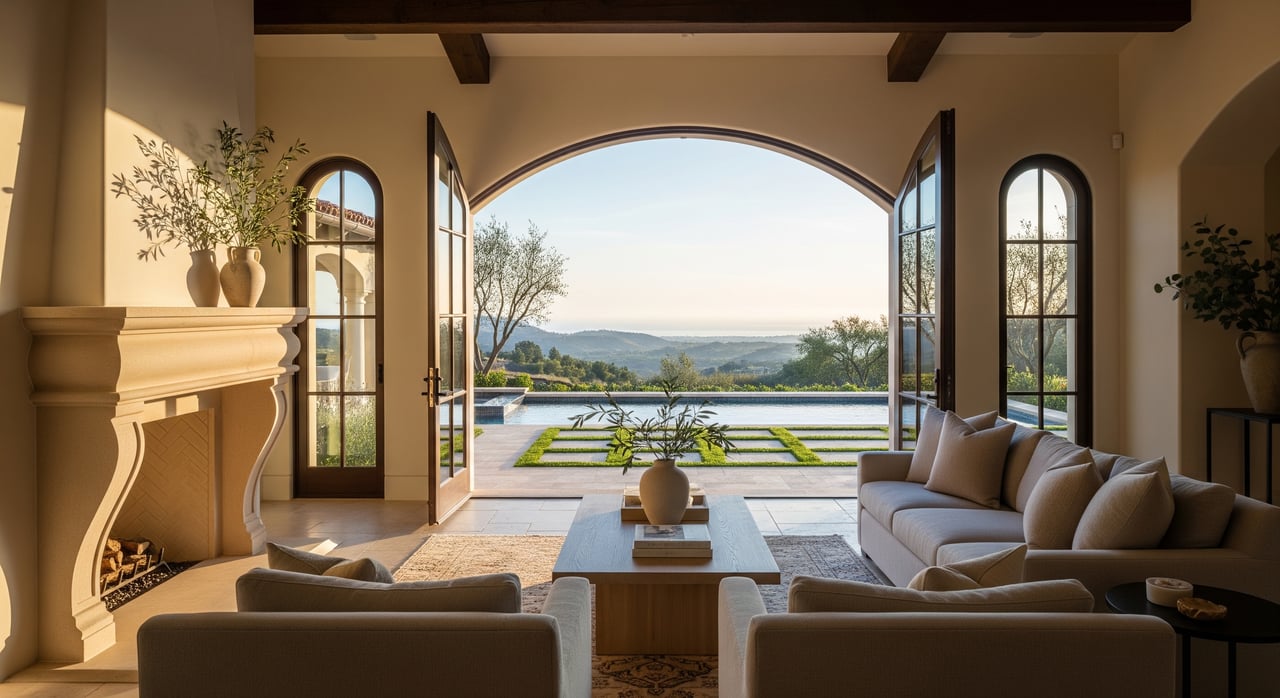
If you want space, privacy, and ridge‑line views, the acreage communities out along the wine trail deliver. Parcels commonly range from a few to 10 plus acres with room for horses, vines, gardens, and guest structures. GlenOak Hills is a longstanding example with large parcels and equestrian character. You can review HOA context and neighborhood history through the GlenOak Hills community site.
Expect a mix of older custom homes and newer bespoke builds. In rural pockets, you may see on‑site septic systems and specific water connections, which are normal considerations for country properties.
Vineyard‑adjacent estates and winery‑front homes
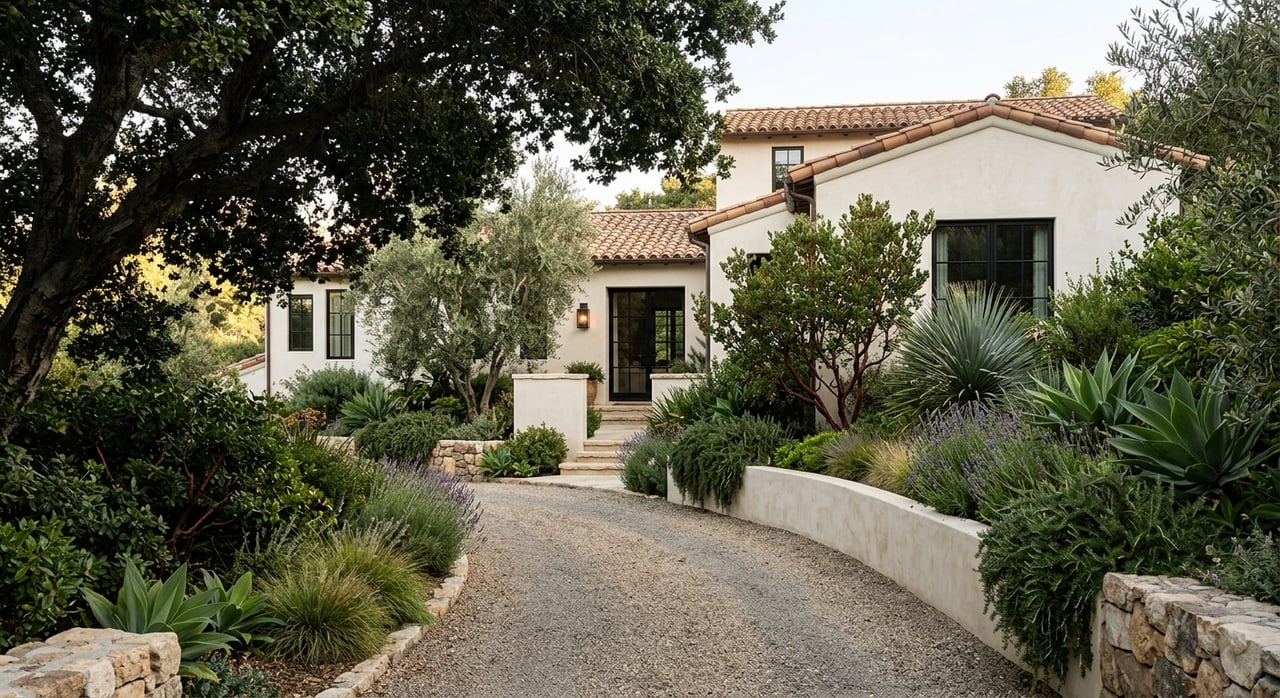
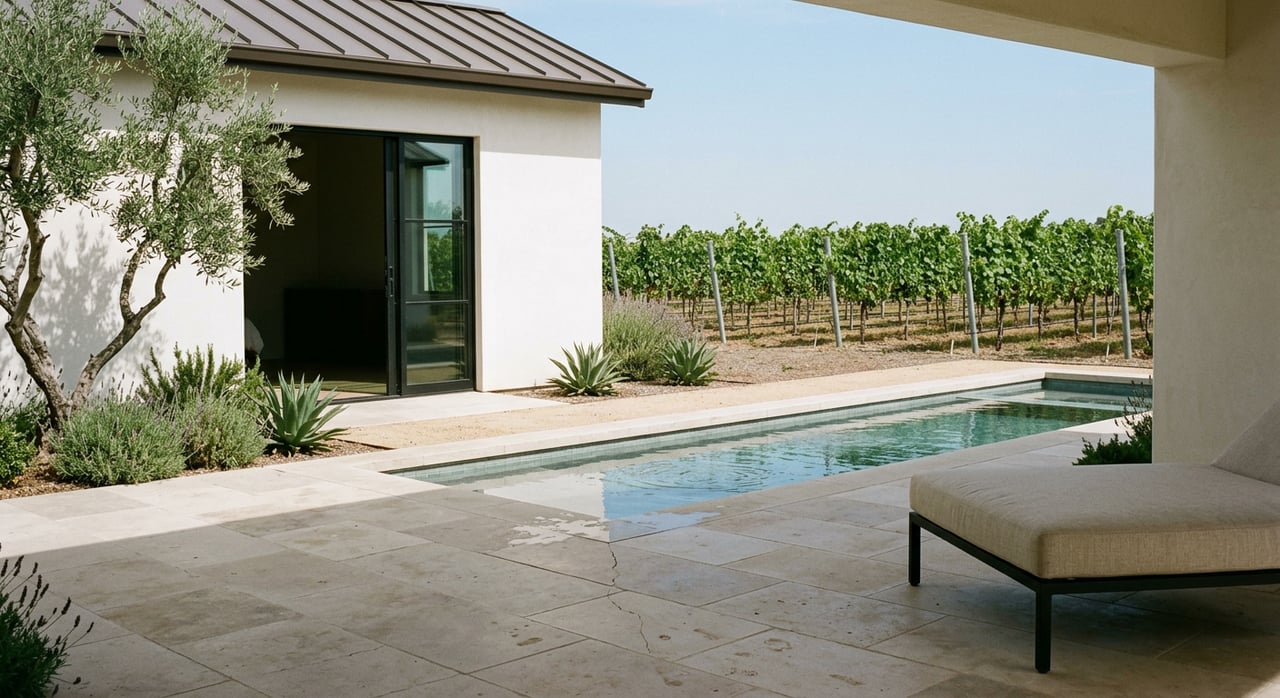
Some properties sit directly along Rancho California Road or the De Portola corridor with vineyard views that frame daily sunsets. A few estates include small plantings, guest suites, or casitas that support multi‑generational living or hosting. Living here puts tasting rooms, winery dining, and weekend music minutes from your front gate.
Suburban neighborhoods near the vines
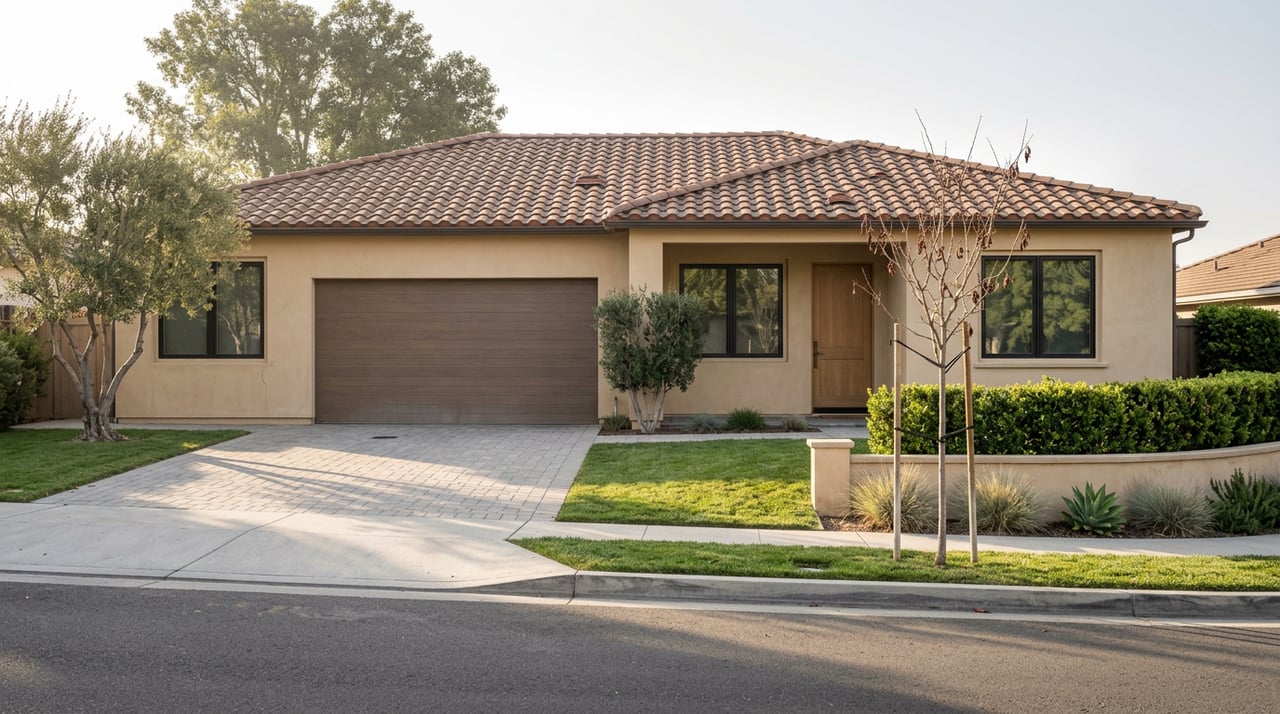
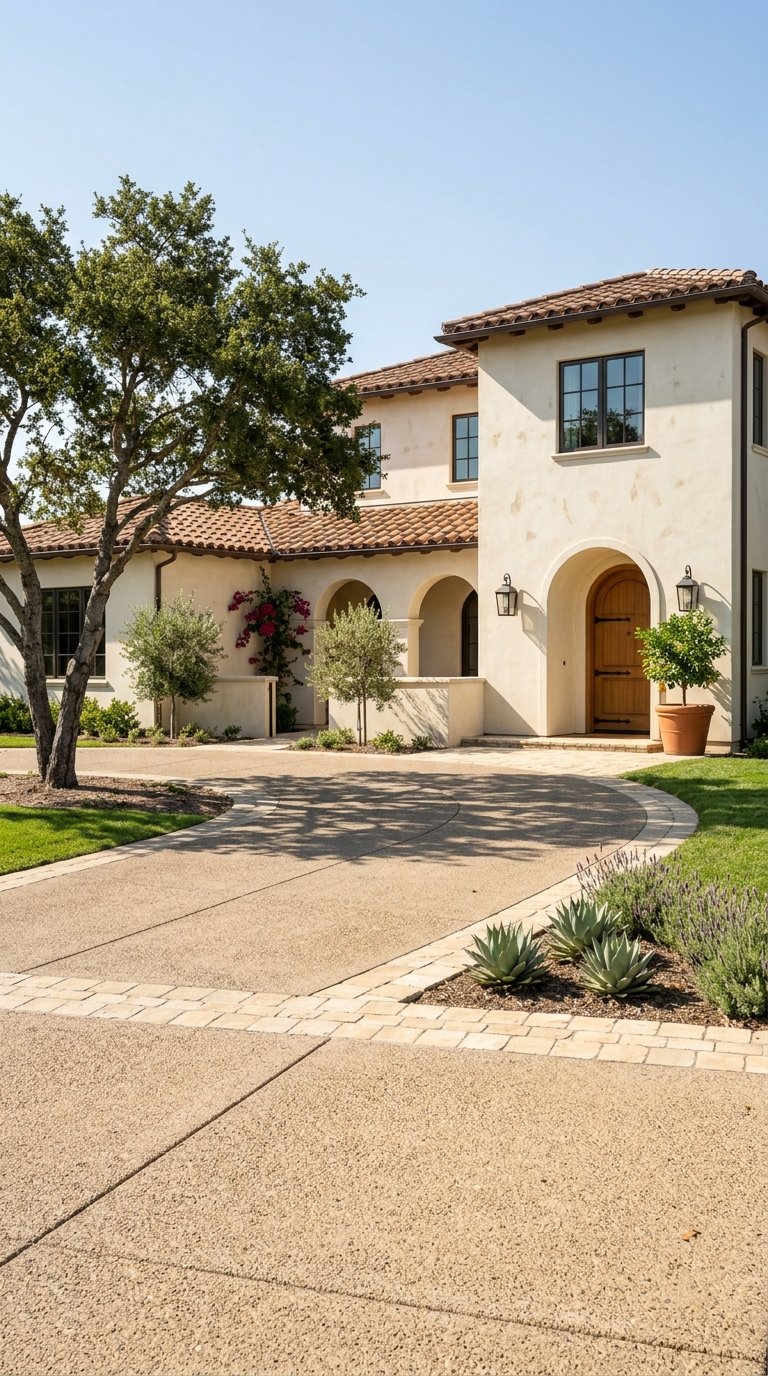
If you want a rural‑adjacent feel with everyday conveniences and community amenities, look at established neighborhoods close to the wineries. Meadowview offers larger lots, trail access, and a low‑key, equestrian‑friendly setting near shopping and services. You can scan a neighborhood overview on Homes.com’s Meadowview guide. Chardonnay Hills blends proximity to the wine trail with HOA amenities like pools and parks. These areas deliver backyard space and suburban comfort without giving up quick access to Old Town or the Promenade.
Resort‑adjacent pockets
Resort experiences shape the valley’s vibe, from spa treatments to special‑event dinners. South Coast Winery Resort & Spa and other hospitality hubs create an easy entertainment rhythm. While most nearby homes are not inside resort grounds, living nearby makes a spontaneous dinner or spa day a simple drive.
Daily rhythm and amenities
Mornings in Old Town and the markets
Old Town Temecula is the walkable heart of the valley, lined with restaurants, cafes, galleries, and antique shops along Front Street. Saturdays bring the Certified Farmers’ Market with local produce, breads, flowers, and small‑batch goods. Check the latest times and locations via Visit Temecula Valley’s farmers market page.
Errands, groceries, and everyday stops
The Promenade Temecula area and surrounding plazas concentrate grocery anchors, pharmacies, and services. Specialty food shops and mid‑week markets add rhythm to your week. Most errands fit into a single loop, with Old Town, the Promenade, and key wine‑trail corridors 10 to 20 minutes apart.
Weekends: tasting, dining, music
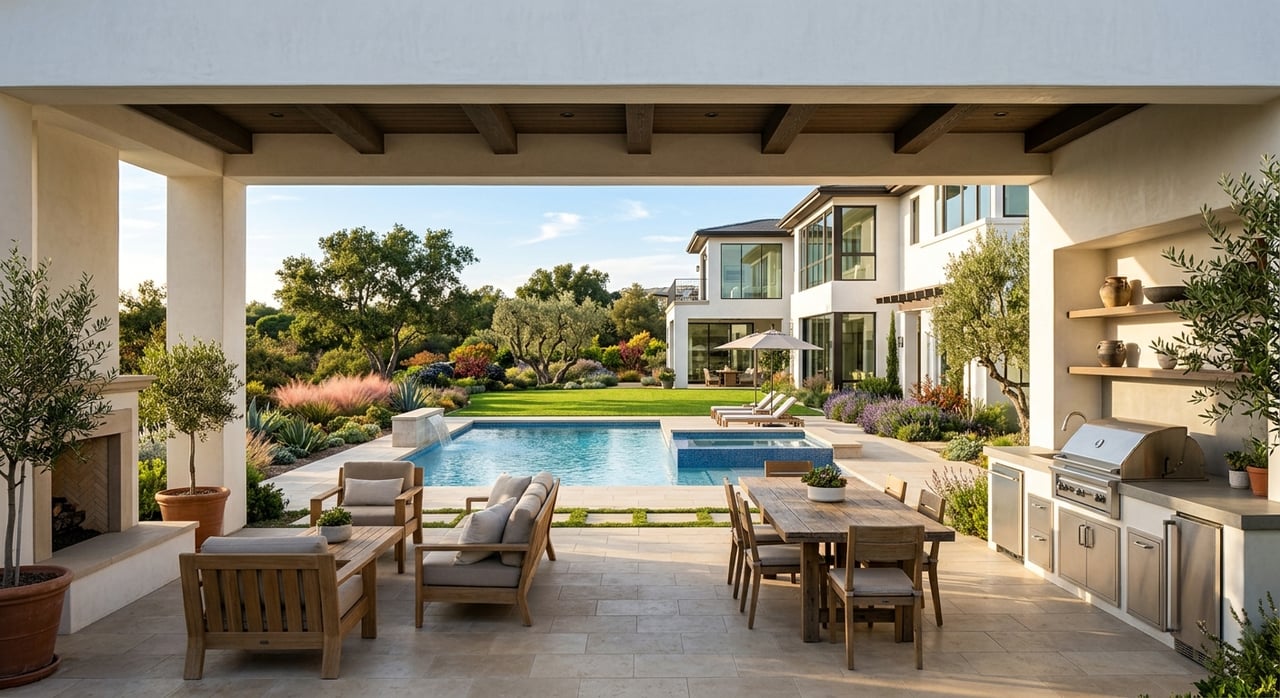
From patio tastings to winery restaurants and spa packages, you can build an easy weekend without leaving the valley. Many wineries host live music, chef dinners, or yoga among the vines. If you want more, Pechanga adds year‑round entertainment, golf, and wellness just a short drive away.
Big moments: Balloon & Wine Festival
The Temecula Valley Balloon & Wine Festival at Lake Skinner is the signature event of the year, with dawn balloon launches, music, and wine experiences. It is a vivid snapshot of what the region celebrates. See event details from the festival’s site.
Commute and connectivity
Temecula is primarily car‑oriented, with daily life built around short local drives and regional access along I‑15. Local bus service through the Riverside Transit Agency connects the valley to neighboring cities, though most residents rely on private vehicles. Route and rider information is available through the RTA.
If you commute to San Diego or the LA and Orange County corridors, plan for variability. Many residents structure hours to avoid peak traffic or work hybrid schedules.
Practical considerations for acreage and estates
Wine country zoning and what it means
Riverside County’s Wine Country zoning sets minimum lot sizes and production standards that support a rural estate feel and limit over‑parcelization. If you are exploring a property with lodging or special‑event ambitions, review the thresholds and permitted uses in the County’s Wine Country zone standards. You can read the code section on winery uses and criteria in the County’s ordinance.
Fire‑wise design and insurance
Parts of the surrounding hills fall within High or Very High Fire Hazard Severity Zones. Expect defensible‑space requirements, attention to building materials, and insurance variations. The City’s recent adoption of updated state maps underscores the need to stay fire‑aware, summarized in this local report on hazard map adoption.
Water, drought, and landscaping
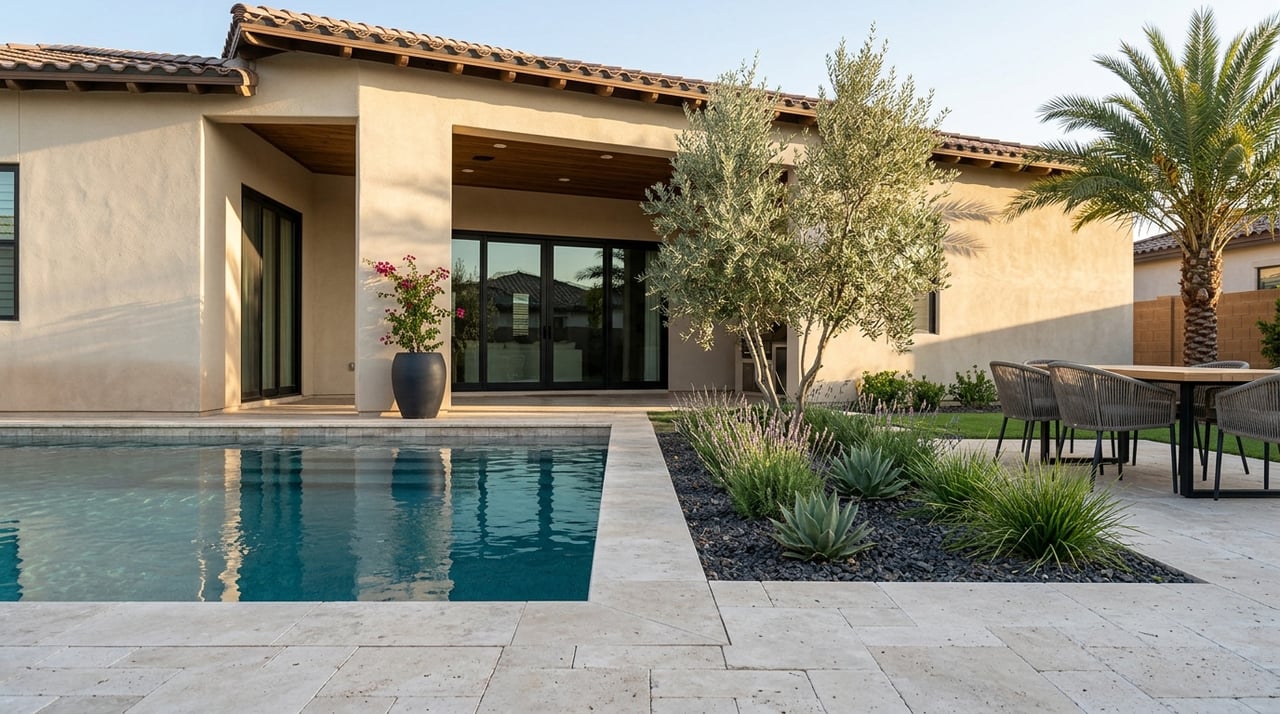
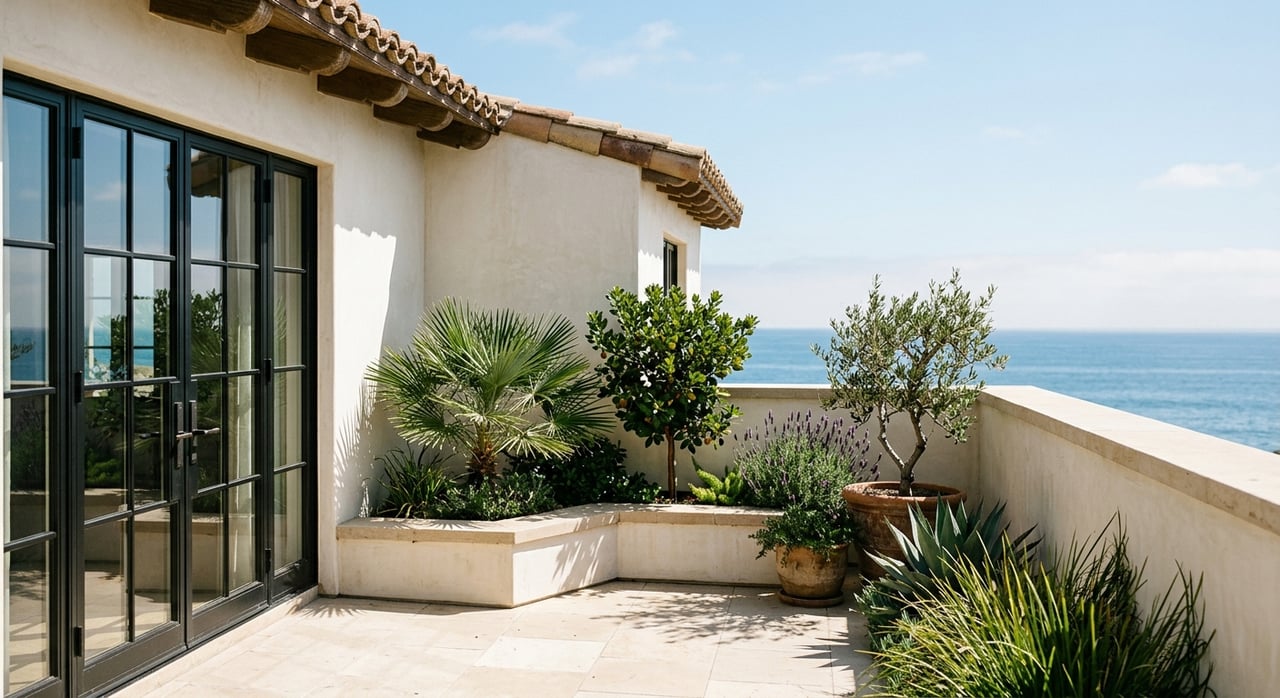
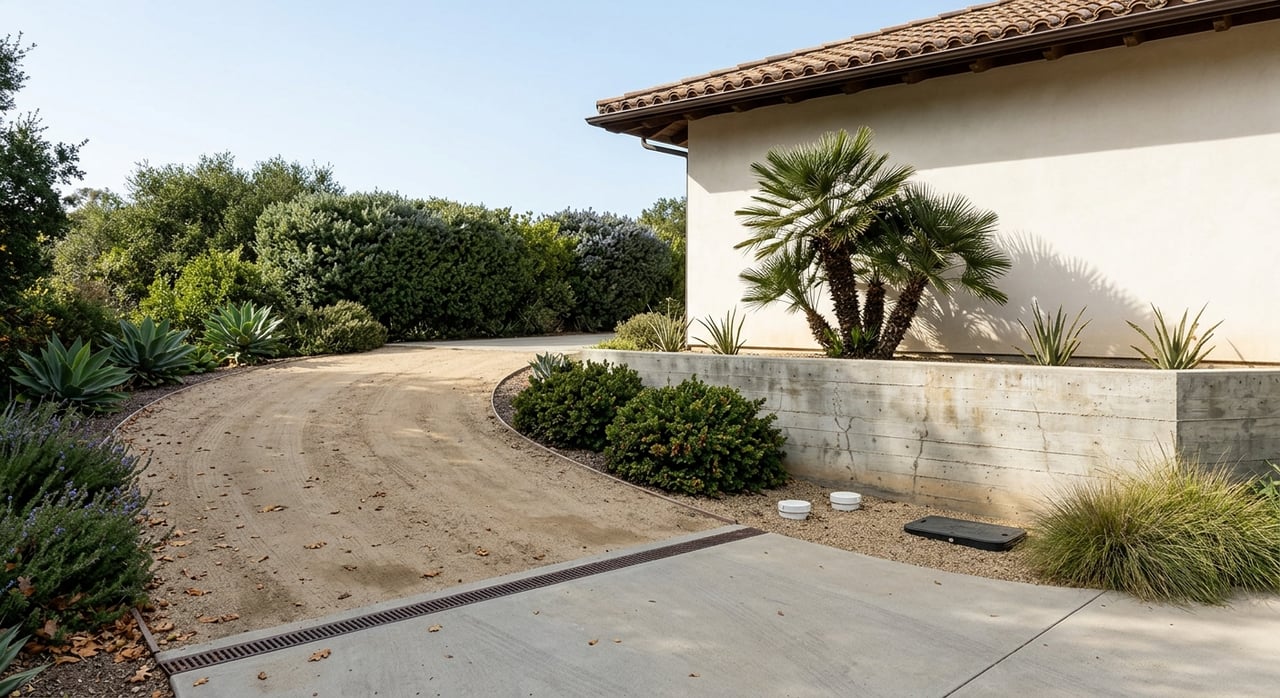
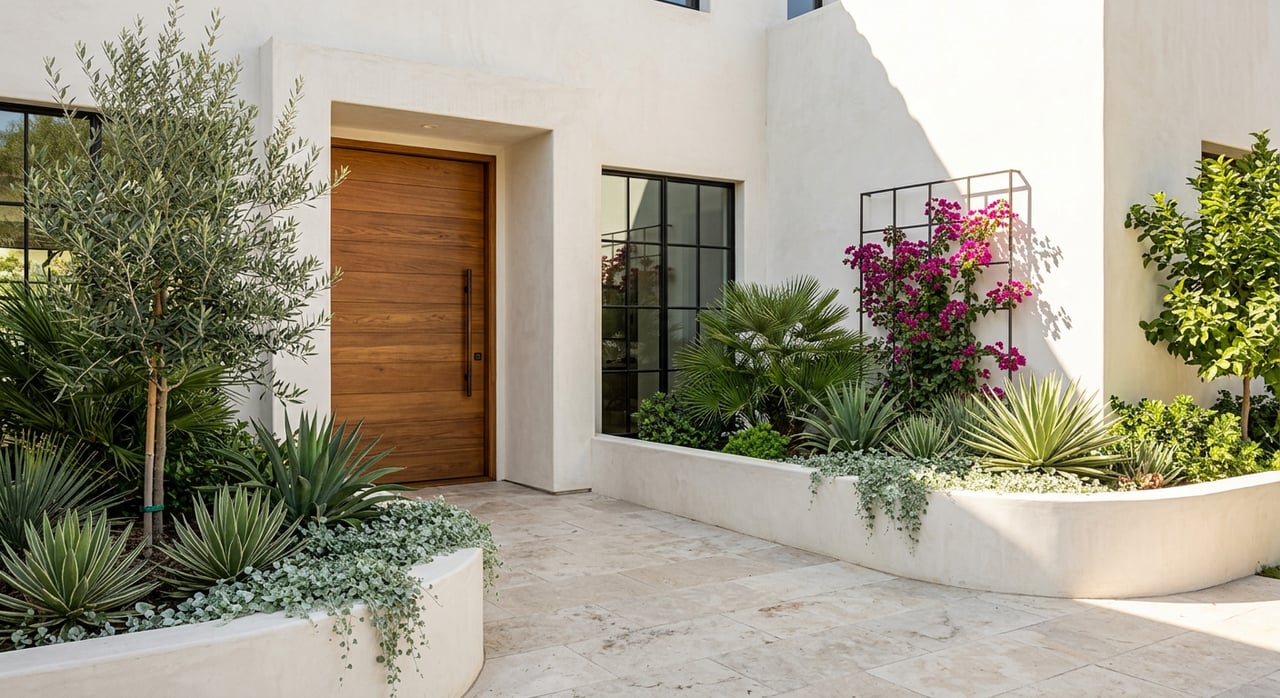
Temecula’s Mediterranean climate and limited rainfall make water management part of daily life. Many owners choose drought‑tolerant landscaping and smart irrigation. Vineyard and equestrian properties plan usage carefully, especially during dry cycles.
Due diligence basics for country living
On the wine‑country fringe, it is normal to encounter septic systems, private road easements, and variations in water service. In suburban tracts, you may see HOAs and, in some developments, Mello‑Roos assessments. For raw land or significant renovations, plan for County planning review, permitting steps, and any wine‑country zone criteria that apply.
How The Twinning Team elevates your move
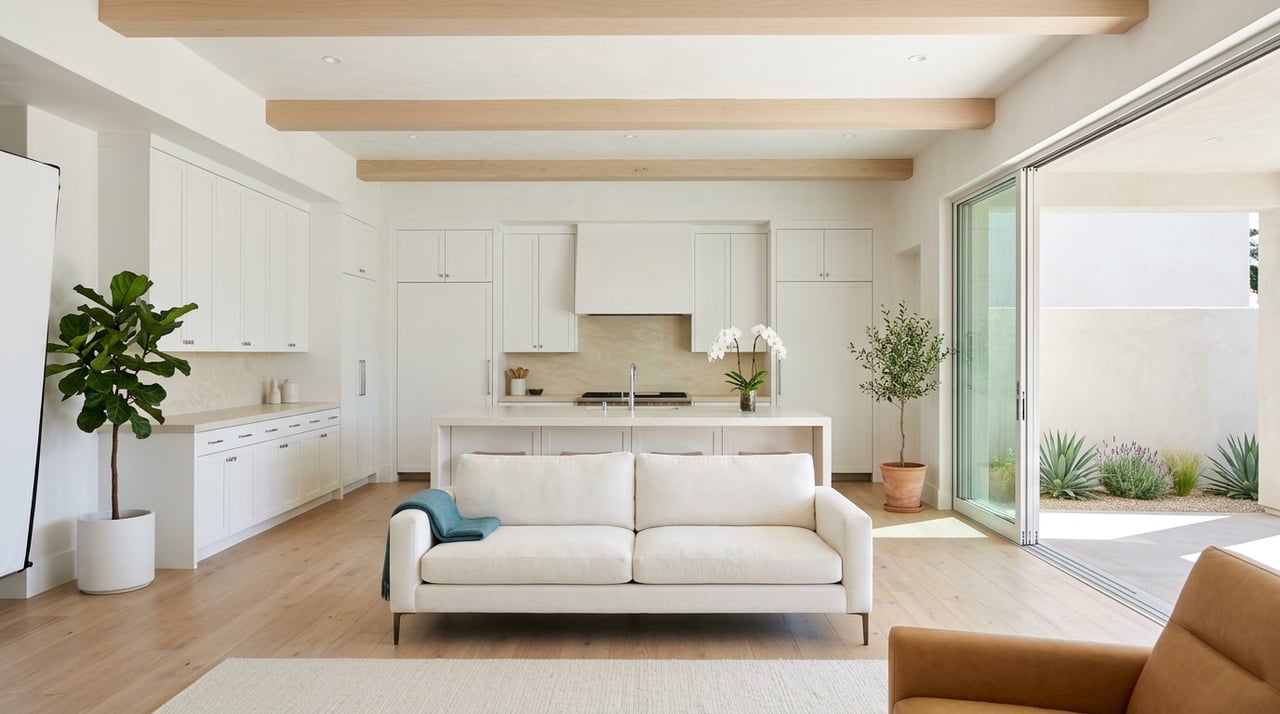
You deserve a guided, design‑led experience that matches the lifestyle you want. As twin‑sister Marine Corps veterans and long‑time Southern California residents, we pair disciplined representation with creative excellence. Our in‑house TT Staging and TT Transformations present your home as a curated lifestyle, supported by professional photography, videography, and property microsites. Whether you are buying an acreage estate with vineyard views or a suburban home near the trail, we tailor tours, surface opportunities, and negotiate with precision.
Ready to explore Temecula wine country with a trusted, boutique team that knows how to market lifestyle properties and place discerning buyers? Connect with The Twinning Team to receive exclusive listings and a personalized plan.
FAQs
What does “wine‑country adjacent” mean in Temecula?
- It usually means you live within a short drive of the main winery corridors, with views of hills and vines and quick access to Old Town and everyday services.
Which neighborhoods offer vineyard views in Temecula?
- Acreage communities along Rancho California Road, De Portola, and nearby hills, including areas like GlenOak Hills, often offer wide views and room for vines.
Are services and groceries close to the wineries?
- Yes. The Promenade area, Old Town, and the wine‑trail corridors sit about 10 to 20 minutes apart, so errands and dining are easy to combine in one trip.
How far is Temecula from San Diego and Los Angeles?
- Temecula is about 60 miles north of San Diego and roughly 80 to 90 miles southeast of Los Angeles, with drive times that vary based on I‑15 traffic.
What events shape the Temecula wine‑country calendar?
- The Temecula Valley Balloon & Wine Festival is the marquee annual event, and many wineries host seasonal dinners, music, and tastings throughout the year.
What rules apply if I want to build or host events on acreage?
- Riverside County’s Wine Country zoning sets minimum lot sizes and criteria for winery uses, lodging, and events, so review the code early in your planning.
Is wildfire risk a factor in the wine‑country hills?
- Yes. Some areas sit in High or Very High Fire Hazard zones, which influence defensible‑space practices, materials, and insurance options.
How is water availability for landscaping or small vineyards?
- The region’s limited rainfall means owners manage irrigation carefully and often select drought‑tolerant landscaping, with any vineyard plantings planned around water access.