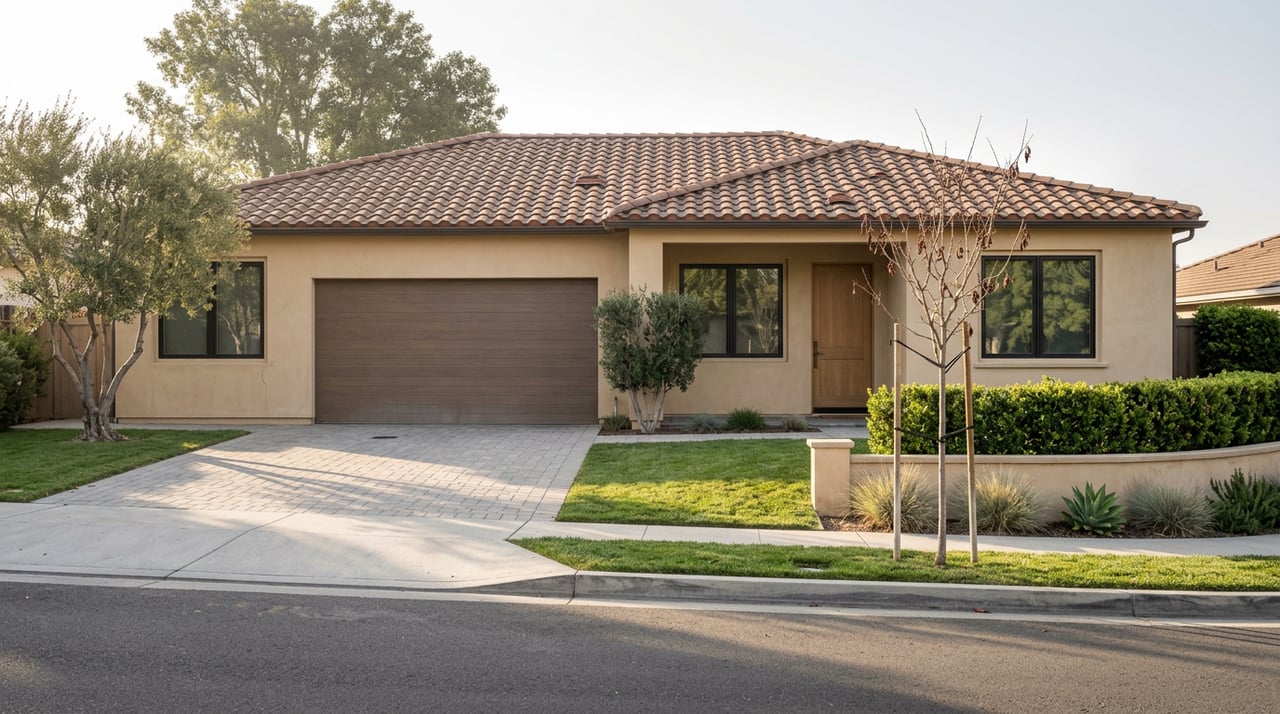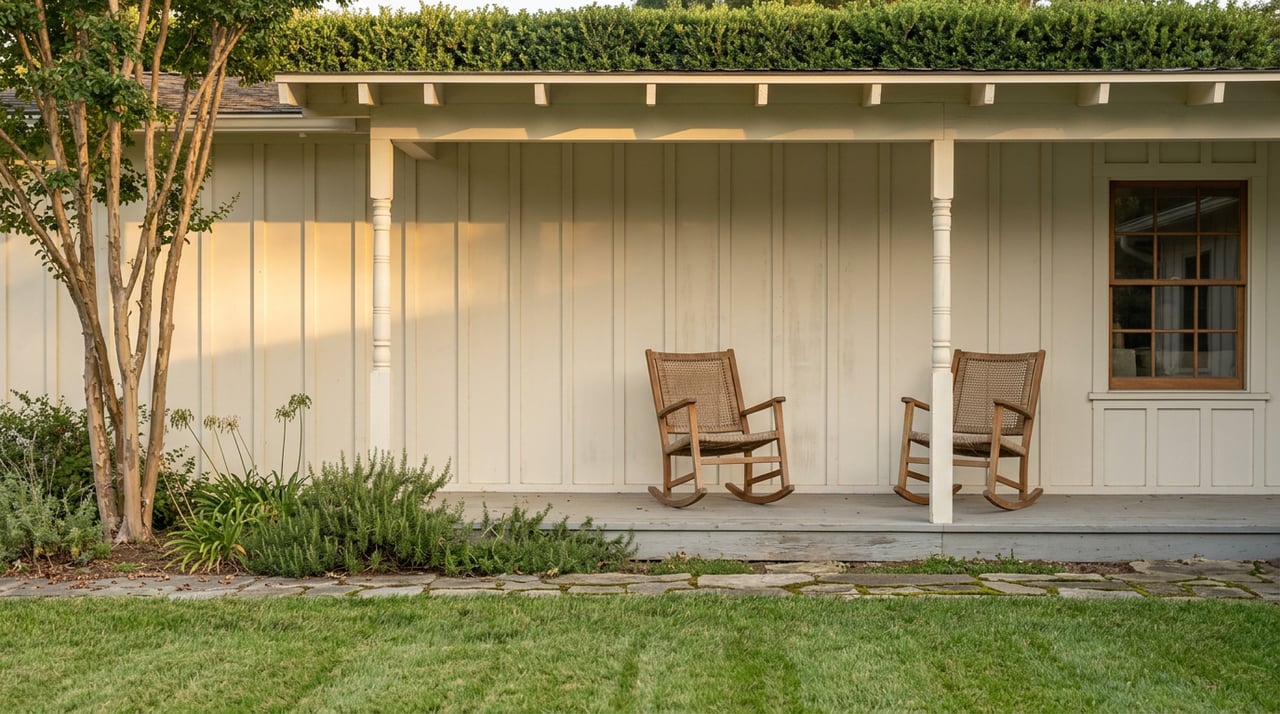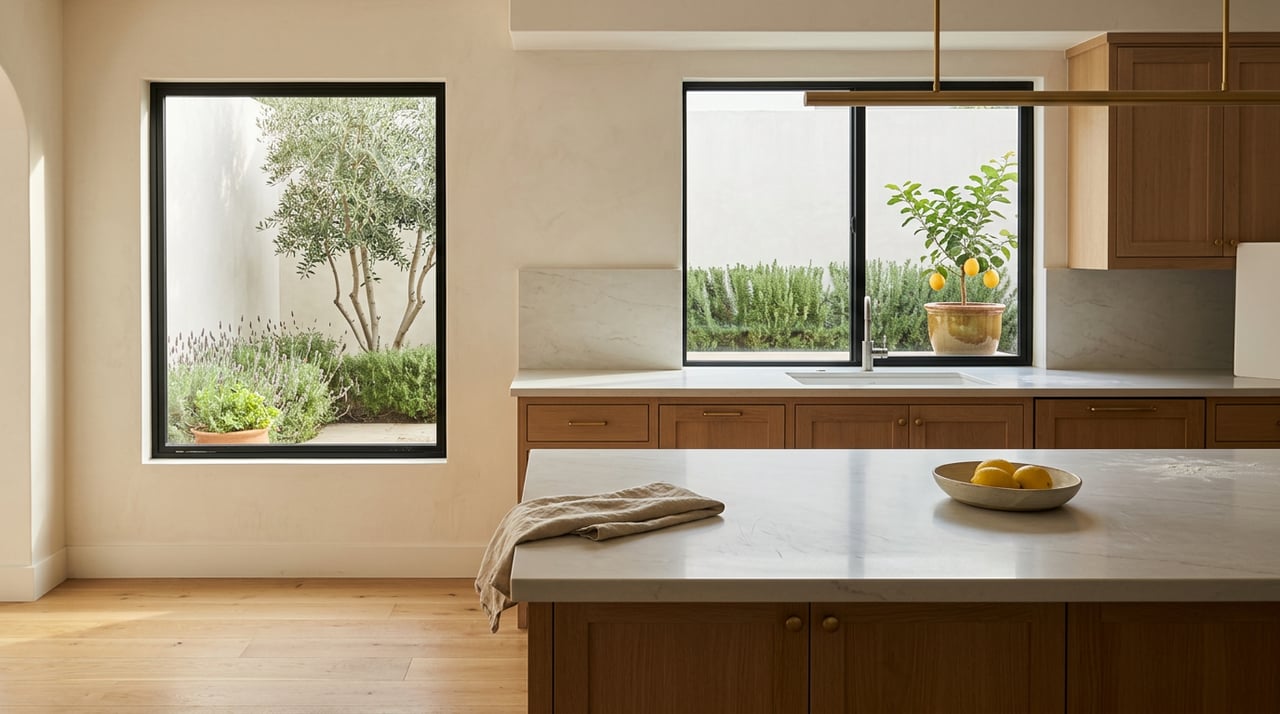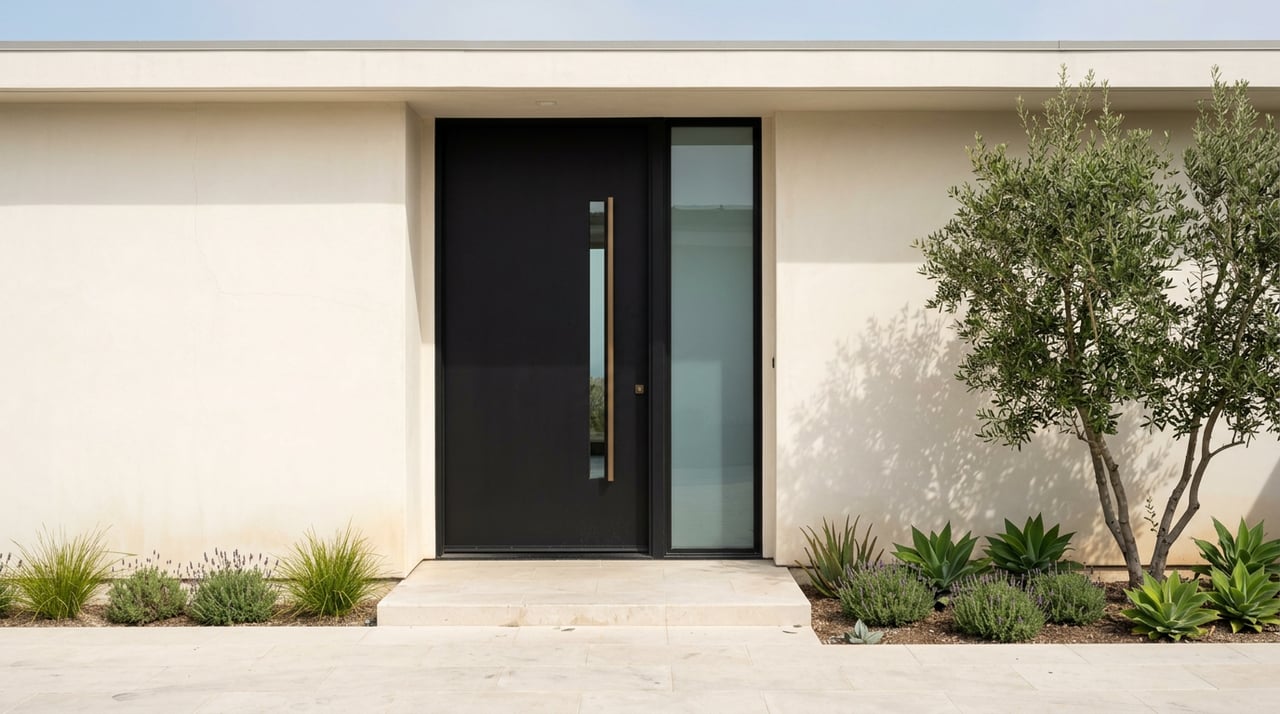
If you want space for horses, room to breathe, and a setting that still feels connected to everyday Southern California living, San Juan Capistrano stands out fast. This is one of the rare Orange County cities where equestrian use is not an afterthought. It is woven into the land, the planning, and the way many properties function day to day. If you are exploring ranch living here, understanding how the city is set up can help you focus on the right opportunities. Let’s dive in.
Why San Juan Capistrano works for equestrian living
San Juan Capistrano openly identifies itself as an equestrian destination, and the city backs that up with real infrastructure. Within about 14 square miles, the city reports 43 miles of unpaved hiking, mountain, and equestrian trails, about 20 miles of paved bikeways, 230 acres of agricultural land, 52 acres of developed parks, and more than 3,000 acres of permanent open space.
That mix matters when you are looking for more than a large lot. It creates a lifestyle where trail access, open views, and horse-oriented land use feel like part of the local fabric rather than a special exception. The city also has a Parks, Equestrian and Community Services Commission, which shows equestrian uses remain a visible civic priority.
San Juan Capistrano also benefits from a long preservation mindset. City history notes that planning efforts in the 1970s focused on preserving historic resources and open space, limiting development density, and protecting ridgeline views. For you as a buyer or seller, that helps explain why the city still offers a blend of ranch character, estate living, and a carefully managed historic setting.
The local feel is layered
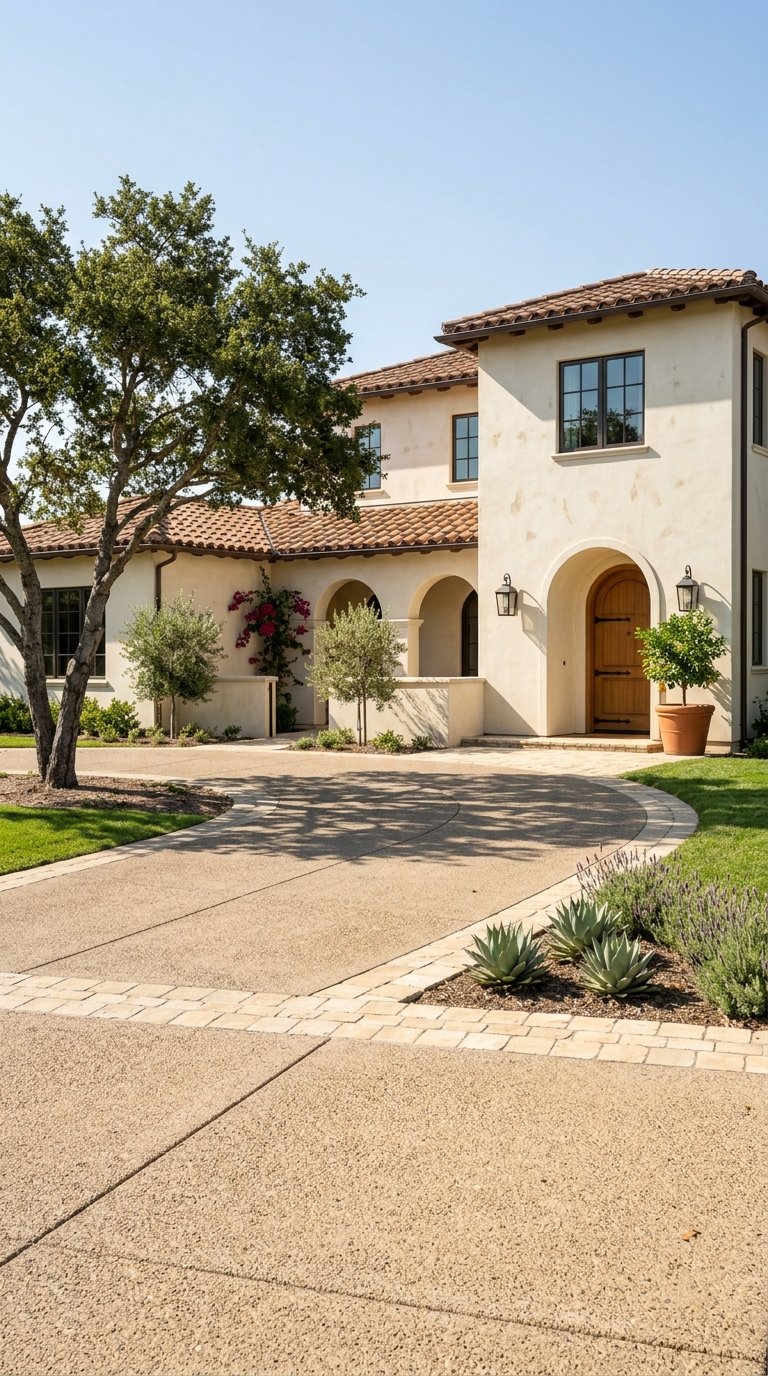
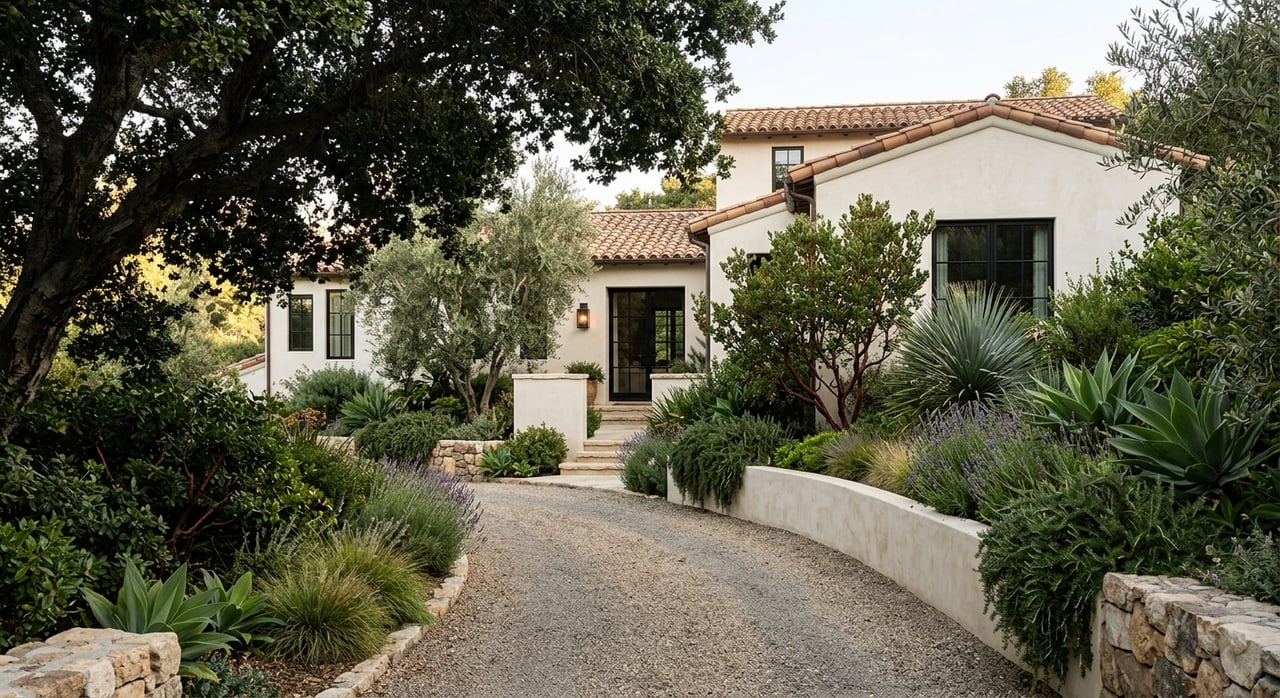
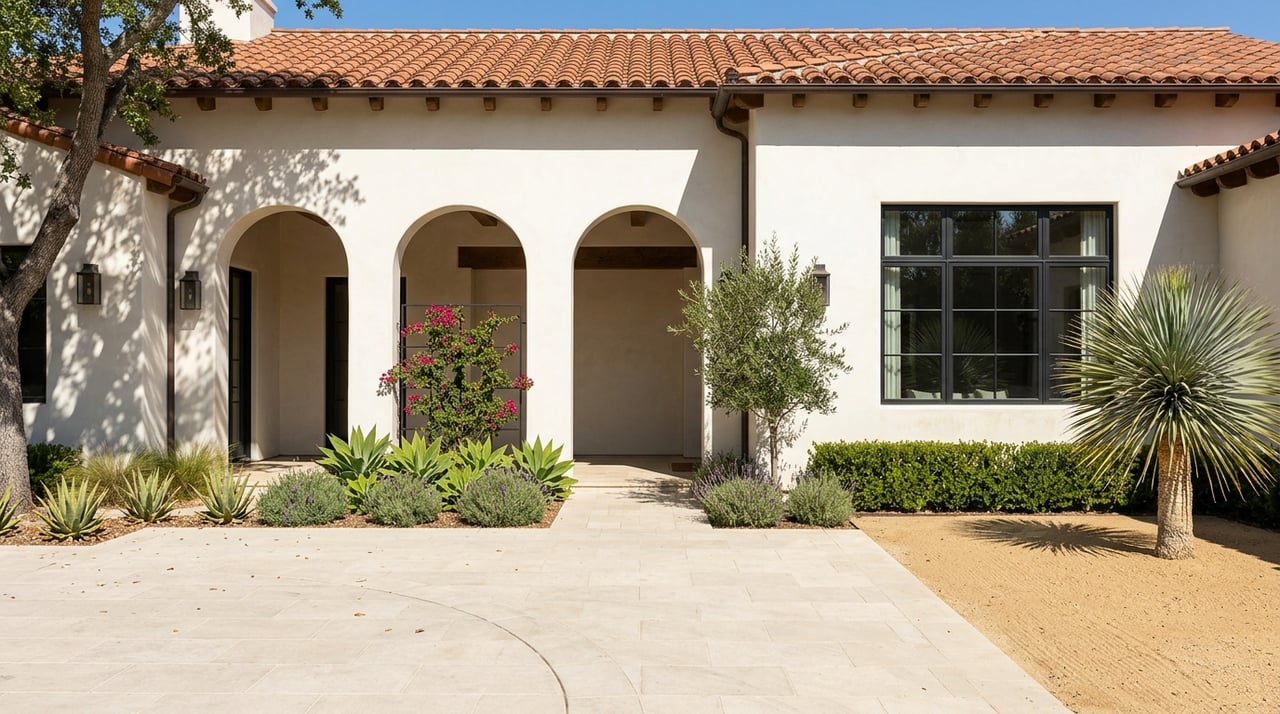
Ranch living in San Juan Capistrano does not look the same in every pocket of the city. Some areas reflect the historic character tied to the Mission, Los Rios Street Historic District, Mission Hill-Mission Flats, and older adobe buildings, ranch houses, and farmhouses recognized by the city. The result is a setting where California history and larger-lot residential living often exist side by side.
At the same time, modern estate communities add another layer. Planning documents for places like Hunt Club include equestrian easements, ridgeline protection, and naturalized corridors. Marbella was designed with an equestrian trail linkage along its perimeter, showing how horse-oriented planning extends beyond older ranch parcels.
Other community development areas listed by the city include Rancho San Juan, Forster Canyon, Whispering Hills, and Ortega Ranch. For you, that means the local ranch market is not one uniform product. It is a mix of estate enclaves, hillside neighborhoods, and trail-connected residential areas, each with its own layout and planning context.
Trails and riding are part of daily life
For many horse-oriented buyers, the trail network is the biggest draw. San Juan Capistrano’s trail system includes existing and proposed multi-use and equestrian corridors across the city, and Public Works maintains those public trails through grading, weed abatement, asphalt repair, tree trimming, and fence repair.
That level of maintenance supports the practical side of riding. You are not just buying a property with horse potential. In many cases, you are buying into a city where trail use is actively supported.
The broader riding environment also adds value. Ronald W. Caspers Wilderness Park in San Juan Capistrano offers equestrian trails and equestrian camping, along with trail guides available at the entrance booth and ranger office. This helps connect local horse properties to a wider Orange County riding network.
Another major asset is the city-owned Rancho Mission Viejo Riding Park. The city describes it as an approximately 70-acre equestrian and event venue with seven equestrian arenas, several hundred temporary-use stables, trailer parking, and wash-down racks. It is not a boarding facility, but it reinforces how established equestrian activity remains in San Juan Capistrano.
What lot sizes can mean for buyers
Not every property in San Juan Capistrano is designed for ranch or equestrian use, so lot size is one of the first filters to watch. The city’s Housing Element states that residential minimum lot sizes range from 4,000 square feet to 2.5 acres, depending on the zone.
For buyers seeking horse property, the estate-style zones are especially important. The RA zone has a 2.5-acre minimum lot size, while RSE-40,000 and RSE-20,000 require minimums of 40,000 and 20,000 square feet. That is a very different setup from the city’s many more typical residential zones, which often fall between 4,000 and 10,000 square feet.
In practical terms, that means true ranch-capable parcels are usually much larger and need to be evaluated differently. A generous lot on paper may still function very differently depending on slope, pad width, usable flat area, and access.
How equestrian use is regulated
If you are considering private horsekeeping, city code gives useful guidance on what a parcel may support. On qualifying individual lots, the code uses a standard of one equine per 10,000 square feet of overall lot size. It also requires 2,500 square feet for the first horse, including at least 500 square feet of flat ground.
The code further states that parcels of two acres or less may allow up to four equines without a conditional use permit. Parcels between two and five acres may allow up to six equines, and parcels larger than five acres may allow up to 10 equines without that permit. These rules make usable land shape just as important as raw lot size.
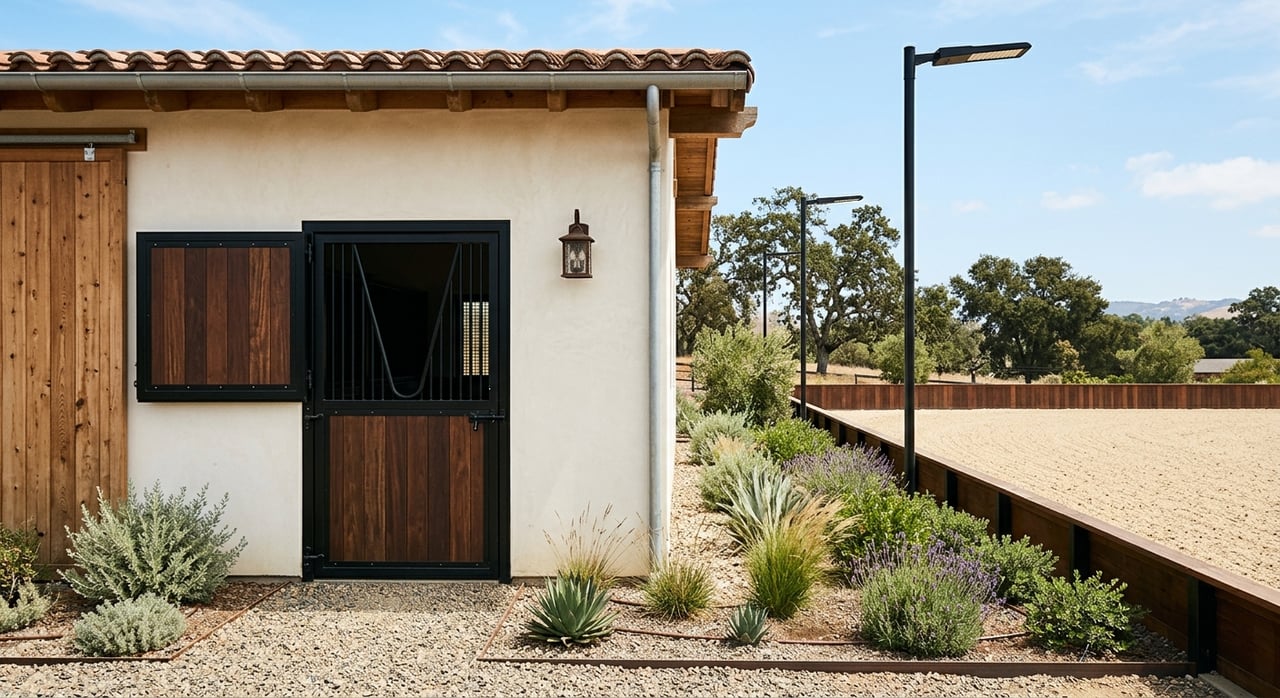
Site layout is also tightly defined. Paddocks and stalls must meet setback rules, including 20 feet from the front property line and 15 feet from side and rear lines, plus 50 feet from adjacent residential setback lines. Barns, stables, fences, and exercise areas are all treated as regulated site elements, so the cleanest horse properties tend to be those with wide, workable layouts.
Private setup or boarding use
There is a major difference between a private equestrian setup and a property intended for more formal stable or boarding activity. The city distinguishes commercial stables from noncommercial stables. Noncommercial stables are private equine facilities for property occupants or a private HOA, while commercial stables involve housing, boarding, lodging, feeding, hiring, training, selling, renting, or breeding horses for compensation.
That distinction matters because commercial operations face much more structured standards. The code sets yard setbacks, requires at least 100 feet from property zoned or used for residential purposes, and limits building area to 30 percent of usable acres, though open arenas, paddocks, and pastures do not count toward that building coverage.
The code also notes that access to a General Plan equestrian or hiking trail can affect density for commercial stables. A stable with trail access may be allowed up to 28 equines per usable acre, compared with 10 per usable acre without that access. If you are evaluating a property for anything beyond private horsekeeping, these details need close review.
Lighting, arenas, and daily function
One of the most overlooked parts of ranch living is how the property works after the purchase. In San Juan Capistrano, lighting is regulated rather than automatic. Residential standards allow exterior lighting near activity areas such as equestrian barns, but the city also limits fixture height, spacing, glare, and illuminance.
For outdoor recreational lighting tied to a permitted recreational use, the city requires conditional use permit review and sets shielding and glare controls. Security lighting must be directed onto the site, and exterior lighting intensity is reduced during late-night hours.
What this means for you is simple. If you want a property with an arena or nighttime riding capability, that may be possible, but it should be treated as a design and permitting question, not an assumed right.
Due diligence matters more here
San Juan Capistrano can be a great fit if you want a horse-friendly city with open space, trails, and estate-style living. Still, not every large parcel will support the same lifestyle in the same way. The city advises buyers and owners to verify standards by address when a property is inside a planned community or specific plan rather than relying only on base zoning.
That is especially important in a market with places like Hunt Club, Marbella, Rancho San Juan, Forster Canyon, Whispering Hills, and Ortega Ranch. Parcel size, trail or easement access, slope, usable area, and plan-specific standards can all shape what the property can realistically support.
For sellers, those details matter just as much. The strongest ranch and equestrian listings are usually the ones presented with clarity, showing not just the home itself but the layout, function, access, and lifestyle the property offers.
Why presentation matters for ranch properties
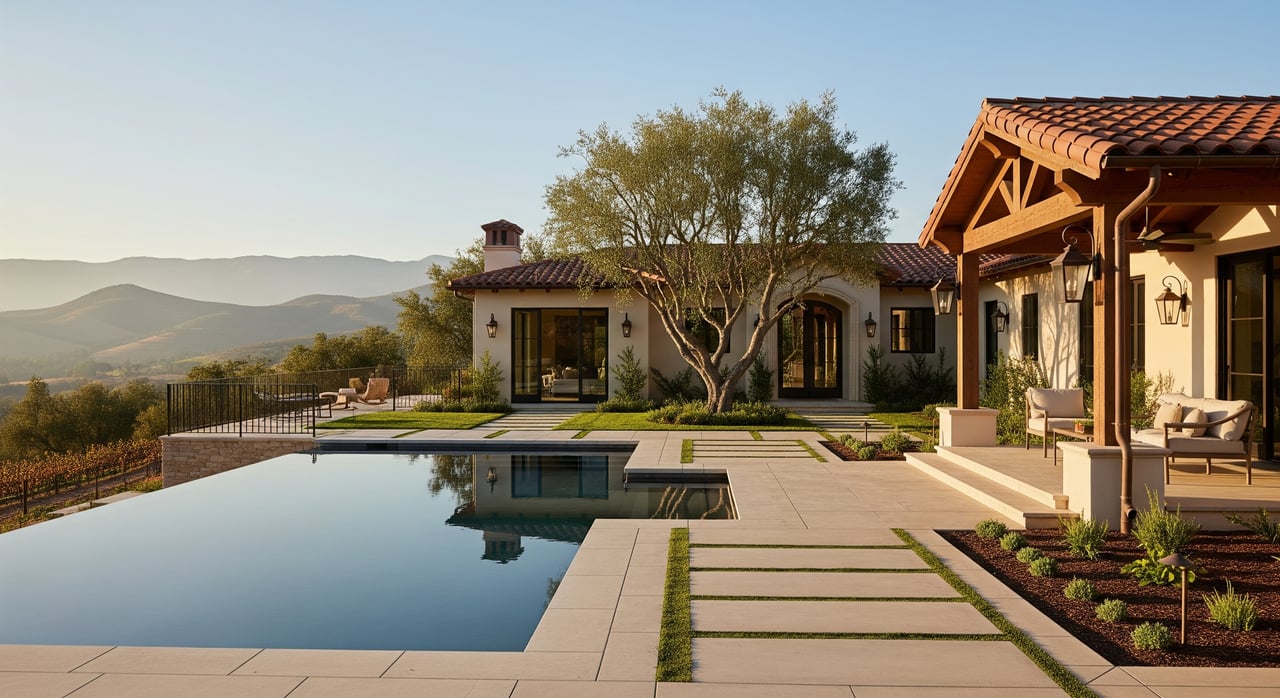
Equestrian and ranch homes are highly visual, but they are also highly specific. Buyers are often evaluating circulation, barn placement, turnout space, arena potential, trail connectivity, and the relationship between the home and the land. A polished marketing approach can help those details make immediate sense.
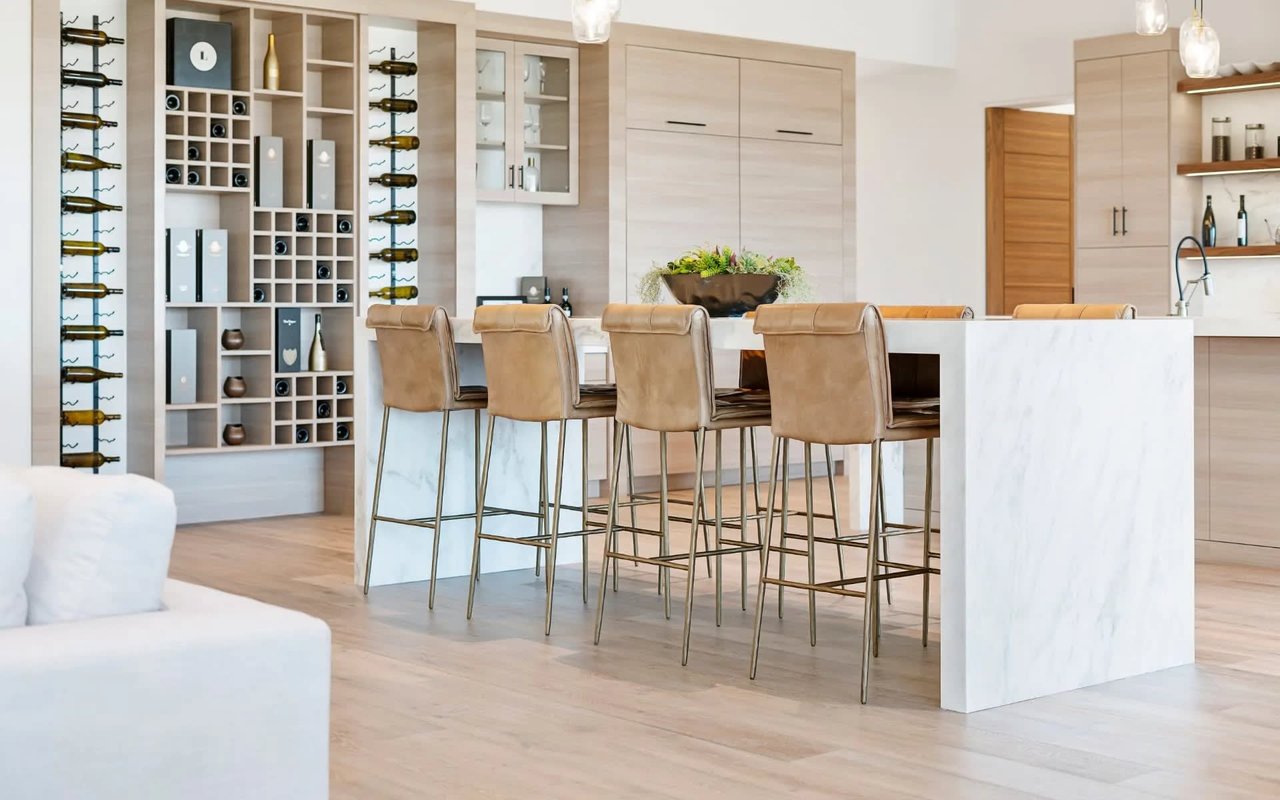
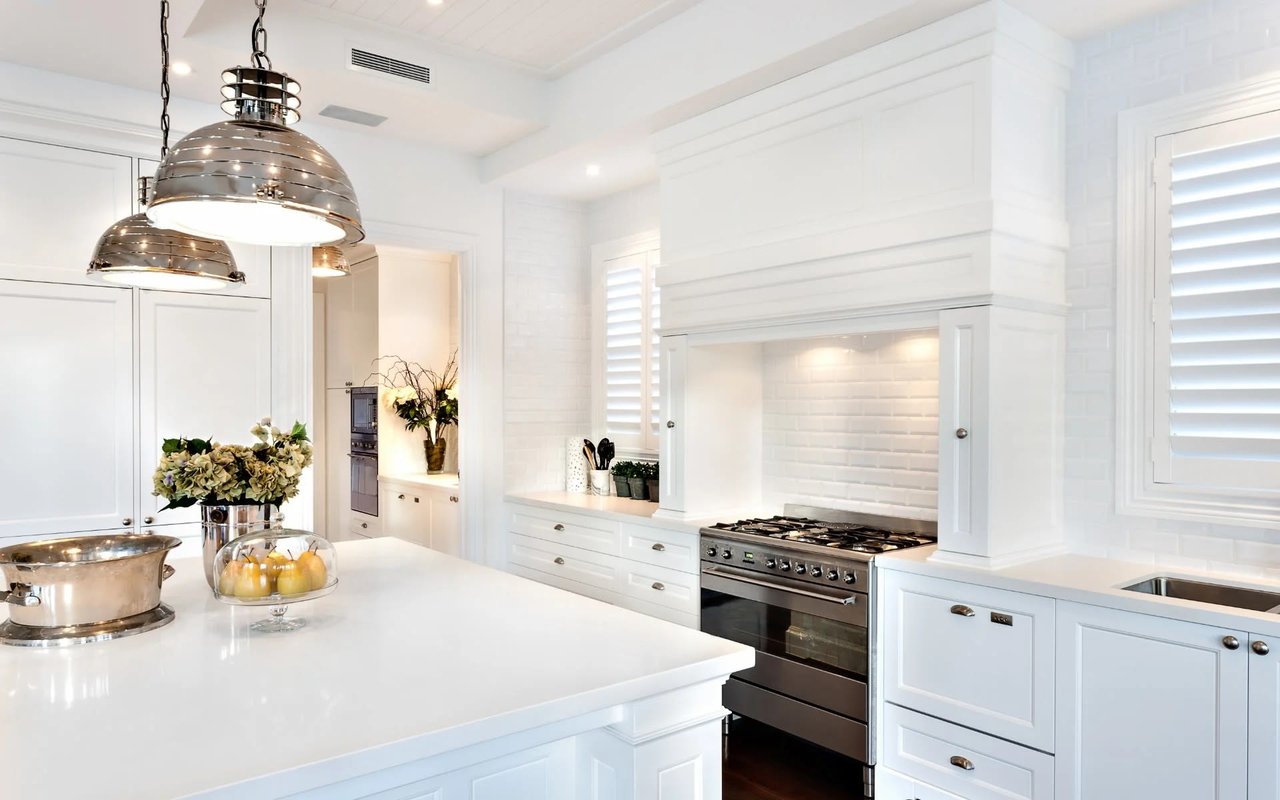
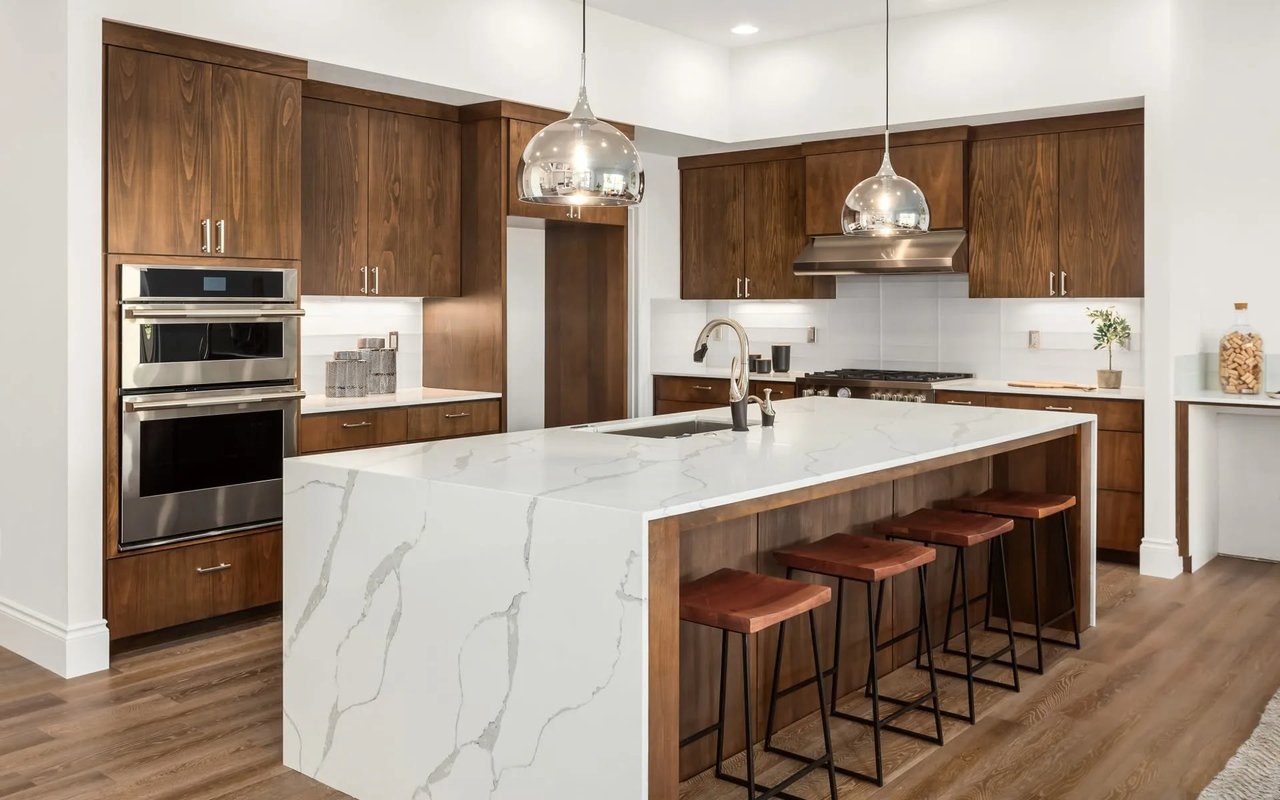
That is where thoughtful presentation becomes part of value. With a property type this specialized, staging, photography, videography, and strong positioning can help tell the full lifestyle story while also showing the practical features buyers care about most.
If you are considering buying or selling a ranch or equestrian property in San Juan Capistrano, working with a team that understands both presentation and property function can make the process clearer and more strategic. When the right home is matched with the right story, the result is often stronger interest and better alignment from day one.
If you are exploring ranch or equestrian opportunities in San Juan Capistrano, or preparing a distinctive property for the market, The Twinning Team can help you navigate the details with the clarity, presentation, and white-glove guidance these homes deserve.
FAQs
What makes San Juan Capistrano attractive for equestrian living?
- San Juan Capistrano identifies itself as an equestrian destination and offers 43 miles of unpaved trails, more than 3,000 acres of permanent open space, agricultural land, city-maintained trail infrastructure, and major equestrian facilities like Rancho Mission Viejo Riding Park.
What lot sizes support ranch living in San Juan Capistrano?
- The city’s residential minimum lot sizes range from 4,000 square feet to 2.5 acres, with estate-style zones such as RA, RSE-40,000, and RSE-20,000 offering the larger parcel sizes most often associated with ranch and horse properties.
How many horses can a San Juan Capistrano property allow?
- On qualifying lots, city code uses one equine per 10,000 square feet of lot size, with up to four equines on parcels of two acres or less, six on parcels between two and five acres, and 10 on parcels larger than five acres without a conditional use permit.
Can you build barns and paddocks on horse property in San Juan Capistrano?
- Barns, paddocks, stalls, fences, and exercise areas are regulated by city code, including setback requirements, so the property’s usable layout and exact zoning or plan standards should be reviewed before making assumptions.
Are all large lots in San Juan Capistrano horse-friendly?
- No. The city advises verifying development standards by address, especially when a property is within a planned community or specific plan, because parcel size alone does not guarantee the same equestrian use or layout potential.
Does San Juan Capistrano allow boarding or commercial stable use?
- City code distinguishes private noncommercial stables from commercial stables, and commercial uses follow more detailed operational and site standards, including setbacks, building coverage limits, and in some cases trail-access-related density rules.