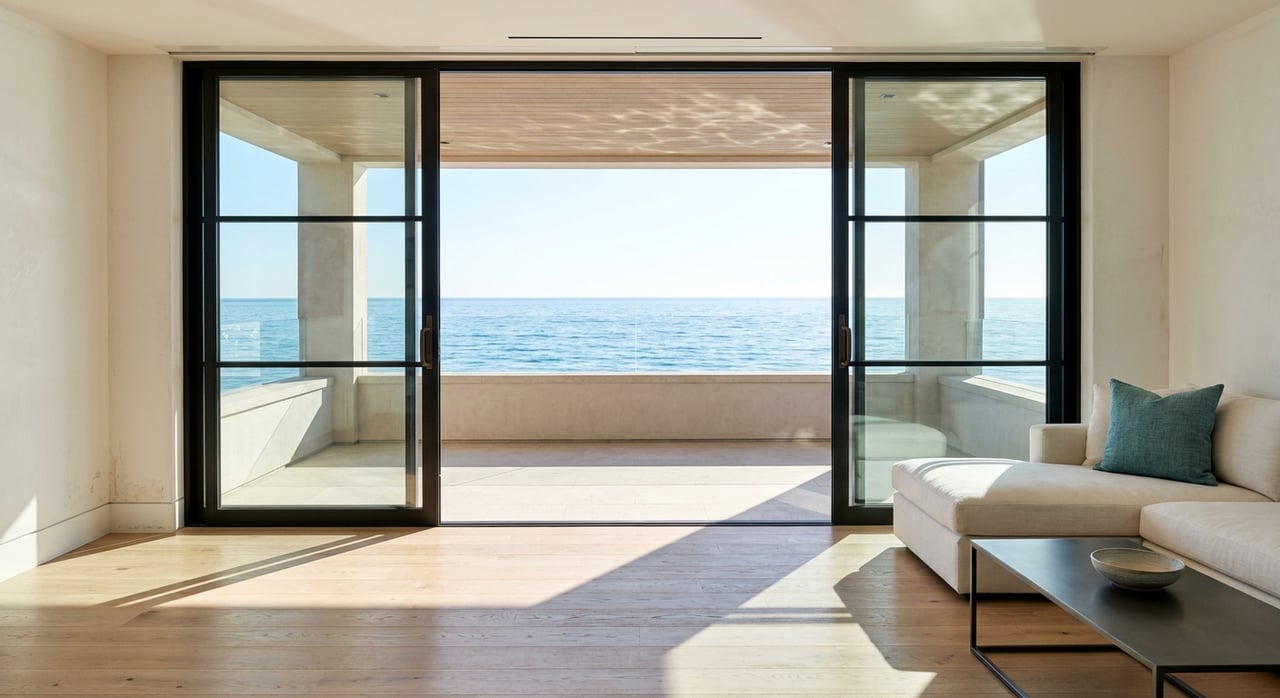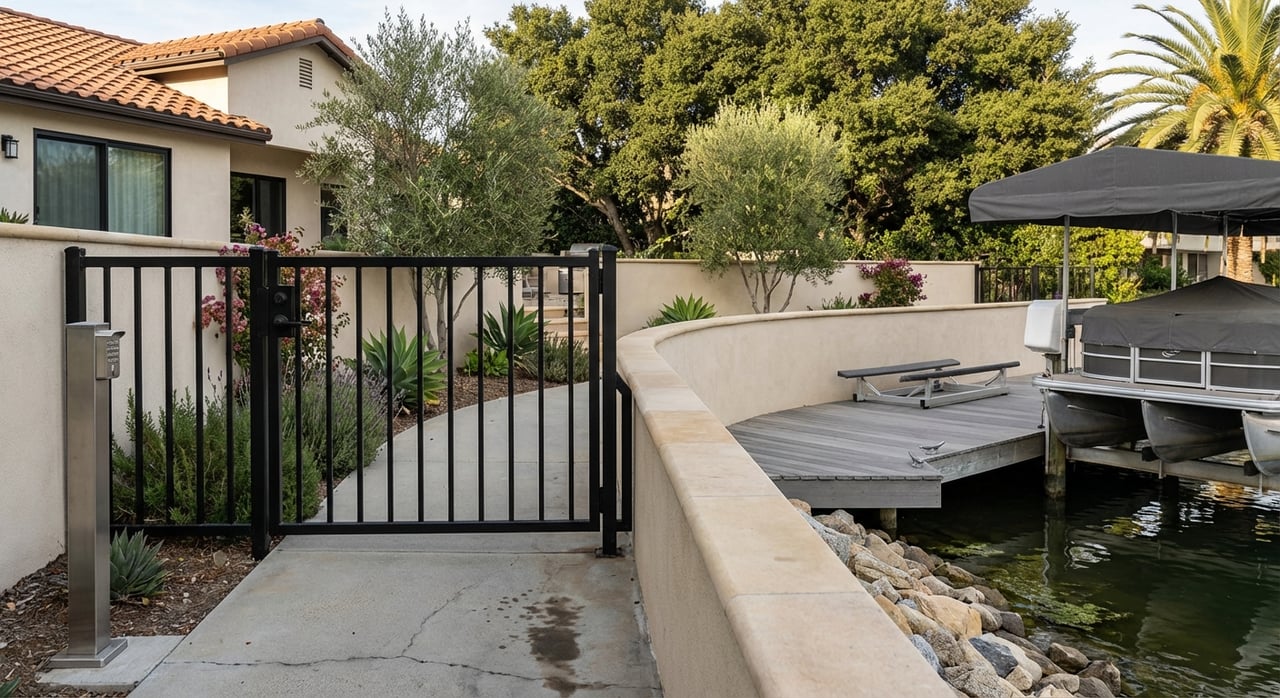
Picture your mornings starting on calm water with coffee in hand and your boat just steps from the patio. If Canyon Lake waterfront living is on your wish list, you also want a clear view of the rules, fees, and approvals that shape daily life on the water. In this guide, you’ll learn what it really costs to live lakefront, what you can and cannot do with boats and docks, and the exact documents to pull in escrow. Let’s dive in.
What it costs to live on the water
The Canyon Lake Property Owners Association (CLPOA) sets a Regular Assessment each fiscal year. For May 1, 2025 through April 30, 2026, the assessment is $4,200 per lot. You can pay in full or in monthly installments of $350 plus processing fees. Always confirm the amount that applies to your closing date and whether any special assessments are pending. You can review the figures in the CLPOA budget for the year in the association’s published 2025–2026 Annual Budget.
Boat, lake-use, and moorage fees
If you plan to boat, budget for three recurring items that appear in the CLPOA Schedule of Fees:
- Vessel registration: motorized $60; non-motorized $15.
- Lake-use fees by horsepower: for example, 3–25 HP $155; 26+ HP $310.
- Annual moorage (slip) fees: with electric about $1,752; without electric about $1,644.
Confirm current rates and any installment rules with CLPOA Member Services before you make an offer. You can reference the fee lines in the 2025–2026 Annual Budget.
Escrow and document fees
CLPOA uses HomeWiseDocs for resale packages and demand letters. The association charges for the document package and for the demand (statement of account), with standard and expedited timelines available. Order early to keep your escrow on track. Learn more on the CLPOA Escrow Assistance page.
Access, gates, and guest rules
Canyon Lake is a privately gated community with three vehicle entry gates. The POA issues RFID transponders and manages guest entry through a visitor platform identified as GoAccess. Certain vehicle types and oversize vehicles must use designated gates.
Guest limits and party procedures apply, including submission timelines for larger gatherings. Real estate showings, appraisers, and inspectors must follow specific ID and escort rules, and contractors need to register and meet insurance requirements. Review the association’s Community Access overview and the CLPOA Rules & Regulations to plan showings and service appointments without surprises.
Boating rules that shape your lifestyle
Two rules define boat choice for many buyers. First, no personal watercraft or jet-skis are allowed. Second, the maximum boat length is 21’6” for motorized vessels. If you own a larger wake boat or cruiser, you will need to evaluate alternatives before you move forward. You can confirm these limits in the CLPOA Rules & Regulations.
CLPOA’s Marine Patrol enforces lake rules, performs safety inspections, and issues compliance certificates. There is also an Aquatic Invasive Species Deterrent Program. Boats returning from outside waters can be subject to quagga mussel inspections, quarantine seals, and waiting periods that may last a week or more if an inspection fails. If you plan to trailer your boat outside the community, build these checks into your timeline. Details appear in the association Rules & Regulations.
Where and how you can use the lake
Speed limits, no-wake zones, and ski patterns are defined by rule. Coves and East Bay generally run at 5 MPH, the main lake follows a counter-clockwise ski pattern, and high-traffic areas such as Treasure Island and Sunset Beach have special operating rules. Fines apply for violations, so take time to review the Lake and Marina sections of the Rules & Regulations before you head out.
Docks, shoreline, and permits
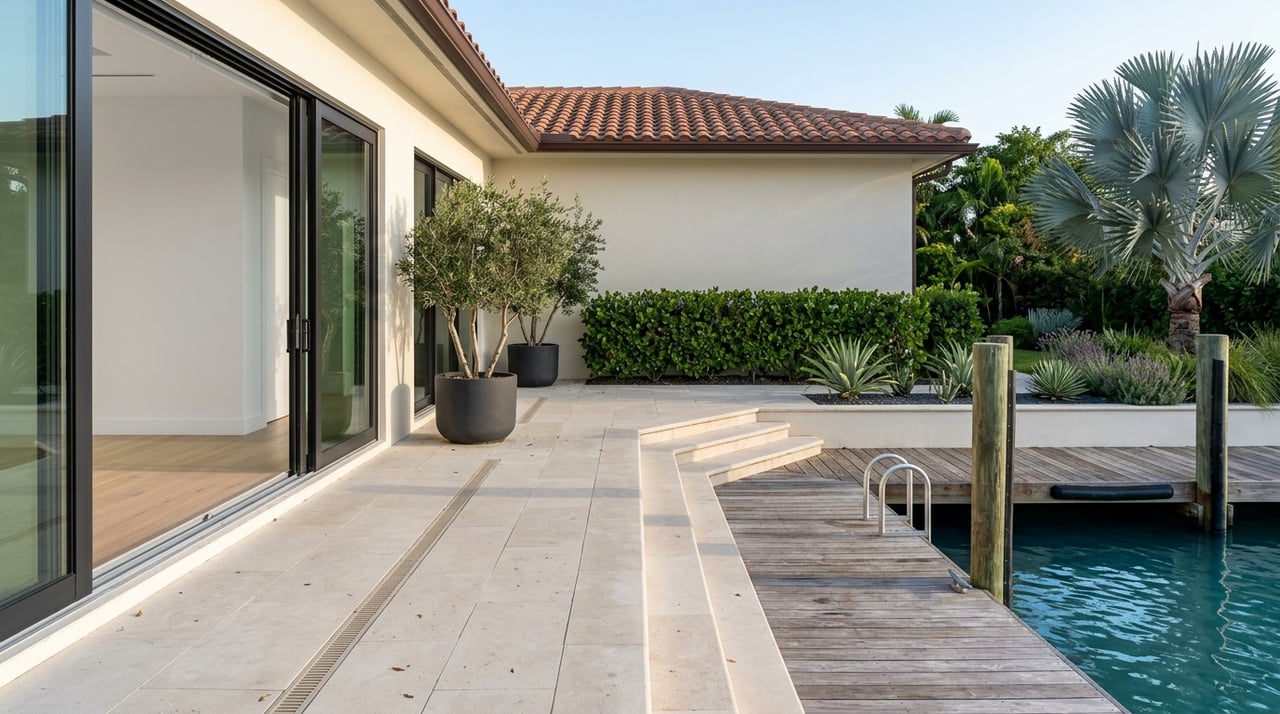
Shoreline projects are regulated. For many waterfront lots, installing or modifying a dock requires approval through CLPOA Planning & Compliance and a recorded Shoreline License Agreement executed by the owner, CLPOA, and Elsinore Valley Municipal Water District (EVMWD). These recorded documents define what is allowed and who can require changes or removal.
If you are buying a home with a dock, request the recorded License Agreement and all Planning & Compliance approvals. If documents are missing or unrecorded, assume more time and steps may be needed. The process and enforcement authority are explained in the CLPOA Rules & Regulations.
Design and placement rules matter for feasibility. Dock configurations have specific dimension limits, coves often allow shorter slips, and placement is tied to surveyed contour lines. The Architectural Control Committee can require engineered plans, surveys, or even relocations to protect navigation. These technical standards are detailed in the same Rules & Regulations.
Dock-related fees and bonds
Plan for filing fees and bonds when you add, replace, or remove a dock. Current examples include a $265 filing fee, a $1,155 dock bond, and a $1,155 removal bond. Recording charges and any engineering or survey costs are separate. You can see representative amounts in the 2025–2026 Annual Budget.
Moorage and slip rights
If moorage is part of your plan, confirm whether a slip transfers with the property, whether it is shared, and any waitlist policies at community facilities. Refer to the moorage rates in the 2025–2026 Annual Budget and verify current availability and payment options with Member Services.
Neighborhood types and water access
- Waterfront lots. These lots offer private shoreline access and the closest boating lifestyle. They also carry the most responsibility for dock upkeep and compliance with shoreline licenses and permits.
- Cove vs. open water. Coves usually provide calmer water and tighter placement standards, while open-water frontage can allow slightly larger slip dimensions but sees more wind and wakes. The Architectural Control Committee regulates placement in both settings.
- Near-lake view homes. These properties deliver long-range views with lower shoreline maintenance. Owners rely on community parks, ramps, or marina facilities for boat access.
- Condo or townhome sub-associations. Some attached-home communities include private docks or association-managed moorage. Their rules and documents are in addition to CLPOA’s, so plan to review both sets in escrow.
Buyer due-diligence checklist
Use this quick checklist to stay ahead of the details that matter most for waterfront purchases in Canyon Lake:
- Order the resale package and the POA demand early through HomeWiseDocs, and confirm processing times and any rush fees listed on CLPOA’s Escrow Assistance page.
- Ask the seller for the recorded Shoreline License Agreement, all Planning & Compliance or ACC approvals, as-built plans or surveys, and proof that any dock bonds were released. If records do not exist, assume additional steps may be required per the Rules & Regulations.
- Confirm whether a moorage slip is included in the sale, and if so, whether it transfers. If the home uses shared facilities, ask about waitlists and current rules. Cross-check fees in the Annual Budget.
- Obtain the Planning & Compliance inspection report that the POA generates at escrow opening to identify any open violations that could delay closing. See the Escrow Assistance page for process.
- Plan showing, inspection, and contractor access around gate and guest rules. Review CLPOA’s Community Access page so your team has the right IDs and passes on the right days.
- Ask about recent or scheduled water-quality treatments or notices that could affect short-term recreation. For background on regional water-quality management, review LESJWA’s overview of the watershed and treatment efforts at Lake Elsinore and Canyon Lake.
- If a boat is part of the sale or you plan to trailer boats in and out, confirm Marine Patrol inspection requirements, invasive-species protocols, and any current quarantine status in the Rules & Regulations.
- Map out parking and storage for boats and trailers at the property, and confirm compliance with CLPOA vehicle and trailer rules in the Rules & Regulations.
Water quality and lake management
Canyon Lake’s water quality is managed through a partnership that includes CLPOA, the City, EVMWD, and the Lake Elsinore & San Jacinto Watersheds Authority (LESJWA). Regional projects can include monitoring and alum treatments designed to improve clarity and reduce algae. These efforts can sometimes lead to temporary recreational restrictions or advisories. To stay informed, review LESJWA’s background on local projects at Lake Elsinore and Canyon Lake and watch CLPOA member notices.
When you understand how assessments, access rules, boats, docks, and water-quality programs intersect, Canyon Lake living becomes both simpler and more rewarding. If you want a guided, no-surprises path to the right waterfront property, we are here to help you evaluate feasibility, timing, and lifestyle fit in detail.
Ready to explore lakefront options or prepare your home for the market with design-led staging and media? Connect with The Twinning Team for a clear plan and a boutique, results-driven experience.
FAQs
What is the annual Canyon Lake POA assessment for 2025–2026?
- The Regular Assessment is $4,200 per lot for May 1, 2025 through April 30, 2026, payable annually or in $350 monthly installments plus fees, per the CLPOA budget.
Are jet skis or personal watercraft allowed on Canyon Lake?
- No, CLPOA rules prohibit personal watercraft and similar motorized boards, and set a maximum motorized boat length of 21’6”.
Do I need approval to repair or replace a dock on a waterfront lot?
- Yes, shoreline work requires Planning & Compliance approval and, for many lots, a recorded Shoreline License Agreement with CLPOA and EVMWD, plus applicable fees and bonds.
How do guests, agents, and contractors access the community during escrow?
- Entry is controlled at the gates using RFID and a guest platform; daily guest limits and ID rules apply, and contractors must register, as outlined on CLPOA’s Community Access page.
What inspections do boats need before using the lake?
- Marine Patrol conducts safety inspections and enforces invasive-species protocols; boats returning from outside waters may face quagga inspections and possible quarantine periods.
What documents should I request in escrow when buying a waterfront home?
- Order the POA resale package and demand, and request the recorded Shoreline License Agreement, ACC approvals, moorage assignment details, and the Planning & Compliance inspection report.